Blog
Messagenal: Meaning, Communication Concept, Website, and What You Should Know in 2026


Messagenal is a relatively new term appearing across the internet in 2026, particularly in discussions about digital communication, intentional messaging, clarity, context, and audience awareness. Unlike established terms such as “messaging” or “communication,” Messagenal does not yet have one universally recognized definition. Current websites use the term in somewhat different ways, which makes context especially important.
The most consistent interpretation describes Messagenal as an emerging approach to digital communication in which the sender thinks carefully about the purpose of a message, the person receiving it, the necessary context, the tone, and the action expected afterward. In other words, the objective is not simply to send information quickly but to make sure the information is actually understood and useful.
There is also an important distinction between the Messagenal communication concept and messagenal.com, which is a separate website currently presenting itself as an online retail store. Treating these as the same thing can create unnecessary confusion.
What Is Messagenal?
At its most useful, Messagenal refers to a message-first approach to digital communication. The basic idea is straightforward: before sending a message, we should consider what the recipient needs to understand and what outcome the message is supposed to produce.
A short message can technically communicate information while still failing to communicate meaning. For example, telling a colleague, “Please check this,” may require several follow-up questions. What should be checked? Why does it matter? Which document is being discussed? When is the response needed?
A more intentional message could identify the document, explain the relevant section, provide a deadline, and specify the expected response. This gives the recipient enough purpose, context, and direction to act without guessing.
That practical approach is what many 2026 online explanations associate with Messagenal. It emphasizes clarity, intention, audience awareness, empathy, context, and useful outcomes rather than simply increasing the number or speed of messages.
Is Messagenal a Real Word or Established Communication Theory?
This question deserves a careful answer. Messagenal is appearing online, but it is not currently an established communication theory or universally recognized academic discipline.
A recent examination of the term notes that it does not appear in major dictionaries and that online sources provide inconsistent definitions. Another 2026 article similarly describes it as an emerging term rather than a formally recognized framework.
This does not mean that the underlying communication practices are imaginary or ineffective. Clarity, audience awareness, appropriate tone, context, empathy, and purposeful writing are longstanding principles of effective communication. What appears to be new is the use of the word “Messagenal” as a convenient label for bringing those principles together in modern digital communication.
For that reason, it is more accurate to describe Messagenal as an emerging online communication concept than as a formally validated scientific theory.
The exact origin of the word is also unclear. Current sources do not establish a universally accepted founder, academic institution, professional organization, or official creator responsible for introducing it.
Key Principles of Messagenal Communication
Although definitions vary, several themes appear repeatedly in current discussions of Messagenal.
Purpose comes first. Before writing, the sender should know why the message is being sent. Is it providing information, requesting an action, solving a problem, confirming a decision, or starting a conversation?
Clarity is equally important. A message should use language that the intended audience can understand without unnecessary interpretation. Clear writing can reduce misunderstandings and eliminate avoidable follow-up questions.
Context gives information meaning. A recipient may understand individual words while still failing to understand the situation. Providing the necessary background can make a message significantly more useful.
Audience awareness means adapting the message to the person receiving it. A technical explanation intended for an engineer may be inappropriate for a customer without specialist knowledge. Similarly, a casual personal message does not need the same structure as a formal business communication.
Empathy and tone also matter. Digital messages remove many nonverbal signals present in face-to-face conversations. Carefully choosing words can therefore reduce the possibility that a neutral statement will be interpreted as unnecessarily harsh or dismissive.
Finally, action and outcome should be considered. A successful message should make it reasonably clear what the recipient needs to understand or do next.
How Messagenal Can Be Used in Digital Communication
The principles associated with Messagenal can be applied to almost any digital communication channel. Email, workplace chat, customer service, social media, project management, marketing, and personal messaging can all benefit from clearer communication.
In the workplace, a Messagenal-style approach can make project instructions more precise. Instead of sending a vague request, a manager can identify the task, relevant files, deadline, priority, and expected result.
Customer service teams can similarly use purposeful messages to identify the customer’s issue, explain the available solution, and provide a clear next step.
Marketing communication can also benefit from the same principles. A promotional message should make its purpose obvious, explain its value to the intended audience, and avoid unnecessary information that distracts from the central point.
In personal conversations, the same idea can be surprisingly useful. A message that includes appropriate context and a clear intention can prevent misunderstandings, particularly when discussing sensitive subjects.
The concept does not require special software. It is primarily a way of thinking about communication rather than a specific application that users must install.
Messagenal and the Problem of Digital Communication Overload
One reason the concept has attracted attention is the enormous volume of digital communication people encounter every day. Email inboxes, workplace messaging platforms, social networks, notifications, group chats, and collaboration applications can create an environment in which people receive more information than they can comfortably process.
More messages do not necessarily produce better communication.
Messagenal’s emphasis on meaning rather than message volume offers a useful way to think about this problem. A carefully structured message can sometimes replace several short messages that would otherwise be required to clarify the original request.
For example, “Send me the report” leaves several questions unanswered. A more complete request might identify which report, which version, what information needs attention, and when it should be delivered.
The second approach does not necessarily require significantly more effort, but it can make the recipient’s task considerably easier.
This is why the practical value of Messagenal can exist even if the term itself remains relatively new. The underlying objective—helping people understand information accurately and act on it appropriately—is broadly applicable.
What Is Messagenal.com?
An important distinction must be made between the communication concept and messagenal.com.
Current information about the domain shows a website presenting itself as an online retail store, with categories including kitchen supplies, cleaning supplies, household supplies, storage supplies, products, and sale items. Its website also includes features such as product browsing and order tracking.
Therefore, the existence of messagenal.com does not establish that it is an official communication platform connected with the Messagenal concept. The two should be researched separately.
There are also third-party safety concerns surrounding the domain. ScamAdviser currently gives messagenal.com a very low trust assessment, citing factors including hidden WHOIS ownership information, low visitor levels, and a lack of reviews on commonly used review sites. Its report also notes that the site has a valid SSL certificate and offers some payment methods that may provide transaction protections.
These automated assessments should be treated as warning signals rather than definitive proof of wrongdoing. Anyone considering a purchase or providing personal information should independently verify the retailer, policies, contact information, payment process, and reputation before proceeding.
How to Apply Messagenal Principles in 2026
Applying the idea of Messagenal does not require complicated technology. We can begin with a simple checklist before sending an important message.
First, identify the purpose. What should the recipient understand?
Second, consider the audience. What does the reader already know, and what information are they missing?
Third, provide enough context to make the request or explanation understandable.
Fourth, use direct and appropriate language. Avoid unnecessary complexity when a simpler sentence communicates the same meaning.
Fifth, make the next step clear. If a response, decision, approval, payment, correction, or action is required, say so directly.
Finally, review the message before sending it. A few seconds spent checking clarity can prevent much longer conversations later.
These principles are useful regardless of whether we call the approach Messagenal, purposeful communication, audience-centered writing, or simply good digital communication.
Final Thoughts on Messagenal
Messagenal is an emerging online term associated primarily with purposeful, clear, contextual, and audience-aware digital communication. Current sources do not establish it as a formally recognized academic theory, technical standard, or universally defined messaging platform.
Its underlying principles, however, are familiar and practical. Purpose, clarity, context, empathy, audience awareness, and clear outcomes can improve communication across email, workplace messaging, customer service, marketing, and everyday conversations.
The term should also be separated from messagenal.com, which currently presents itself as an online household-products retailer rather than an established communication application. Third-party services have raised cautionary signals about that website, so users should independently verify it before making purchases or sharing sensitive information.
In 2026, the most accurate way to understand Messagenal is therefore as a new and still-evolving label for intentional digital communication, rather than as an established technology or scientific discipline. Its central idea is simple: a message is more successful when the recipient can clearly understand its purpose, context, meaning, and next step.
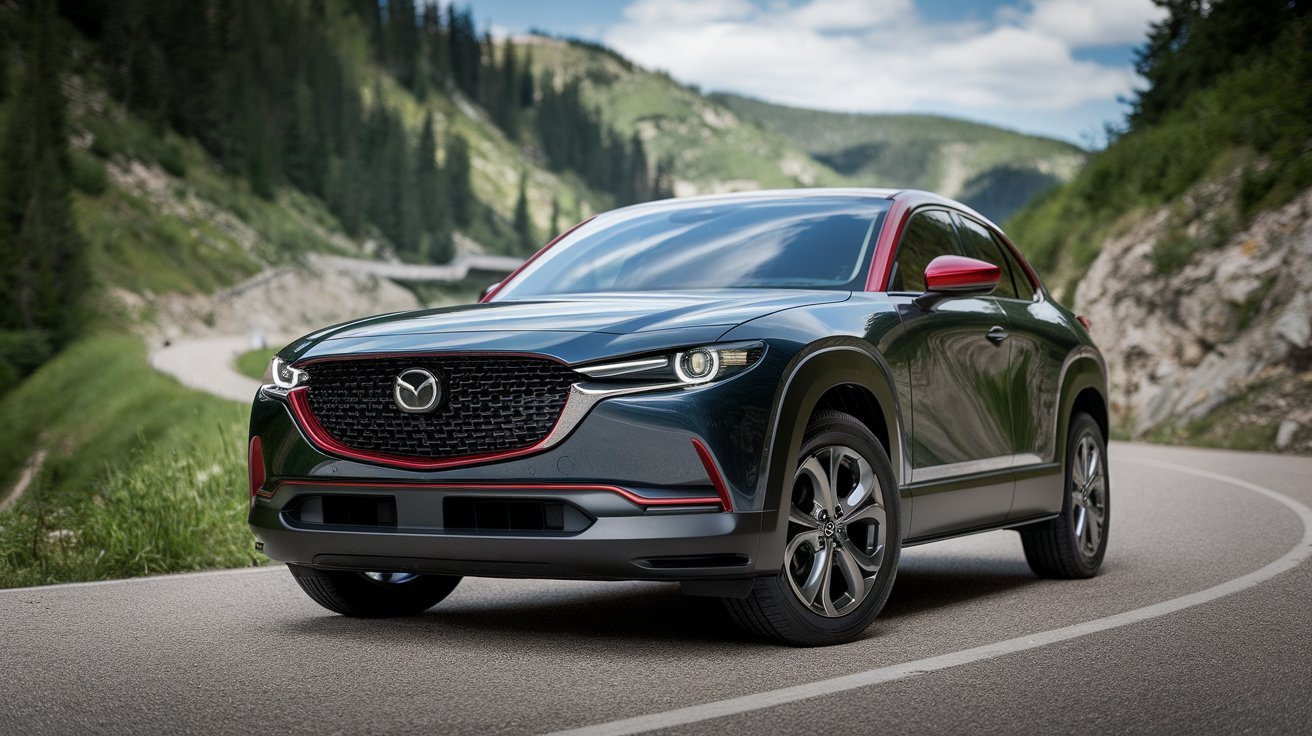
The 2025 Mazda CX-30 is a compact crossover SUV that combines a stylish exterior, an upscale cabin, standard all-wheel drive, and Mazda’s reputation for responsive driving dynamics. Positioned as one of the smaller SUVs in the Mazda lineup, the CX-30 is designed for drivers who want the practicality of an SUV without moving into a larger vehicle. For 2026 research, the 2025 model remains an important choice on the used and remaining-new-vehicle market because it offers several trim levels, a naturally aspirated engine, and an available turbocharged powertrain.
The 2025 Mazda CX-30 starts at $25,195 MSRP for the 2.5 S before applicable destination charges and other costs. Every U.S.-market CX-30 comes with i-Activ AWD, while buyers can choose between the standard 2.5-liter engine and a more powerful 2.5-liter turbocharged engine on higher trims.
2025 Mazda CX-30 Engine and Performance
The standard 2.5-liter Skyactiv-G four-cylinder engine produces 191 horsepower and 186 lb-ft of torque. It is paired with a six-speed automatic transmission with manual and Sport modes. Mazda also equips the CX-30 with standard all-wheel drive, G-Vectoring Control Plus, and Off-Road Traction Assist.
For drivers who want stronger acceleration, the 2.5-liter Skyactiv-G Turbo is available on turbo models. With premium 93-octane fuel, Mazda rates the engine at 250 horsepower and 320 lb-ft of torque. With regular 87-octane fuel, output is 227 horsepower and 310 lb-ft of torque. That difference is important for buyers who want the turbo CX-30 but plan to use regular gasoline.
Independent testing demonstrates the difference between the engines. Car and Driver recorded 8.1 seconds from 0 to 60 mph for a naturally aspirated CX-30, while a turbocharged model reached 60 mph in 6.2 seconds in its testing. The turbo version therefore gives the CX-30 considerably stronger performance for highway merging and enthusiastic driving.
Fuel Economy, AWD, and Driving Experience
Fuel economy depends on the engine and configuration. The standard CX-30 is rated at approximately 26 mpg city, 33 mpg highway, and 29 mpg combined. Turbo models are rated around 22 mpg city, 30 mpg highway, and 25 mpg combined. The standard all-wheel-drive system adds confidence in changing road conditions, while the CX-30’s suspension and steering emphasize controlled, responsive handling.
The CX-30 is particularly interesting for drivers who prioritize driving enjoyment. Its relatively compact dimensions make it easy to maneuver in urban environments, while Mazda’s tuning gives it a more connected feel than many conventional subcompact SUVs. Car and Driver describes the model as nimble and athletic, while Edmunds highlights its sporty handling as one of its strengths.
There is a trade-off, however. The sporty character can result in a firmer ride, and the CX-30 does not provide as much cargo room as some competitors. Buyers who prioritize maximum interior utility should compare its cargo area with larger subcompact and compact SUVs before making a decision.
2025 Mazda CX-30 Trim Levels and Pricing
The 2025 Mazda CX-30 lineup offers several configurations, allowing buyers to choose between affordability, comfort, technology, and turbocharged performance. Mazda announced the following starting MSRPs for the main lineup: 2.5 S at $25,195, 2.5 S Select Sport at $26,850, 2.5 S Preferred at $29,140, and 2.5 S Carbon Edition at $30,140.
Higher in the range are the 2.5 S Premium, 2.5 Carbon Turbo, and 2.5 Turbo Premium Plus. Edmunds lists the Turbo Premium Plus at a $37,150 starting MSRP, while the turbocharged lineup provides substantially more torque than the naturally aspirated models.
The Premium trim adds upscale features such as leather seating, a power liftgate, paddle shifters, Mazda Online Navigation, and a 12-speaker Bose premium audio system. Higher trims can also add more advanced driver-assistance and convenience features.
Interior, Comfort, and Cargo Space
Inside, the 2025 Mazda CX-30 focuses on a more premium atmosphere rather than simply maximizing passenger or cargo volume. The dashboard design is clean, materials are generally upscale for the segment, and higher trims add leather upholstery and additional comfort equipment.
The CX-30 seats five passengers. Its compact exterior measures about 173 inches long, with a 104.4-inch wheelbase, making it considerably easier to fit into tight parking spaces than many larger SUVs. Mazda’s official specifications also list a width of approximately 70.7 inches for U.S. and Canadian models.
Cargo capacity is one of the areas where the CX-30 is less practical than some competitors. Edmunds lists approximately 20.2 cubic feet of cargo space, while folding the rear seats significantly expands carrying capacity.
For daily commuting, grocery shopping, and small-family use, that space can be sufficient. However, drivers who regularly carry large equipment, luggage, or bulky items may want to compare larger SUVs before choosing the CX-30.
Technology and Connectivity
For 2025, Mazda introduced several technology updates. One of the notable additions is Alexa Built-in, which enables compatible voice commands for functions such as climate control and entertainment. Mazda also introduced Mazda Online Navigation, providing expanded mapping information, live traffic information, and over-the-air map updates when connected through Mazda Connected Services.
The CX-30 includes Apple CarPlay and Android Auto, while available equipment can include a larger display, premium Bose audio, navigation, and other convenience technologies. Mazda Connected Services can also allow owners to monitor and control certain vehicle functions through the MyMazda app.
The infotainment system uses Mazda’s control approach rather than relying exclusively on touchscreen interaction. Some reviewers appreciate the physical control layout, although Edmunds identifies the infotainment system as an area that can take some getting used to.
Safety and Driver-Assistance Features
Safety technology is a major part of the 2025 Mazda CX-30 package. Standard i-Activsense equipment includes Mazda Radar Cruise Control with Stop & Go, Smart Brake Support, High Beam Control, Lane Departure Warning with Lane Keep Assist, Blind Spot Monitoring, and Rear Cross Traffic Alert. Rear Seat Alert is also standard.
Higher trims add technologies such as Traffic Sign Recognition, an Active Driving Display, adaptive front lighting, front and rear parking sensors, a 360-degree View Monitor, and additional braking and driver-assistance functions. The Turbo Premium Plus includes Mazda’s Cruising and Traffic Support system, which can assist with maintaining following distance and lane positioning under appropriate conditions.
These features do not replace attentive driving. They are designed as driver aids, and their operation can depend on road markings, weather, traffic, and other conditions.
2025 Mazda CX-30: Is It a Practical Choice in 2026?
Looking at the 2025 Mazda CX-30 in 2026, its main appeal is the combination of premium-feeling design, standard AWD, compact dimensions, and engaging handling. It is particularly suited to drivers who want a small SUV that feels more refined and enjoyable to drive than a basic transportation appliance.
The naturally aspirated 2.5-liter engine provides adequate power for everyday driving, while the turbocharged engine dramatically increases performance. The trade-offs include limited cargo capacity, a relatively firm ride, and fuel economy that is not class-leading, especially with the turbo.
The 2025 model also benefits from useful technology improvements such as Alexa Built-in and Mazda Online Navigation, while maintaining Mazda’s familiar cabin design and driving-focused character.
Conclusion
The 2025 Mazda CX-30 remains a compelling small crossover for drivers who value style, driving dynamics, standard all-wheel drive, technology, and interior quality. Its standard 191-hp engine is suitable for everyday transportation, while the available turbocharged engine provides up to 250 horsepower and 320 lb-ft of torque with premium fuel.
With seating for five, modern safety systems, available premium features, and a compact footprint, the CX-30 fits naturally into urban and suburban lifestyles. At the same time, its smaller cargo area and firmer ride mean that buyers should consider how they intend to use the vehicle.
For anyone researching the 2025 Mazda CX-30 in 2026, the key takeaway is that Mazda has focused this crossover on the balance between SUV practicality and enjoyable driving. It is not the largest vehicle in its class, but its combination of upscale styling, available turbo power, standard AWD, and driver-focused engineering gives it a distinctive position among small SUVs.

Learning how to lace Vans properly can completely change the appearance and feel of your shoes. Whether we want the classic Vans look, a clean slip-on style, a secure fit for everyday walking, or a more distinctive streetwear appearance, the way we lace our sneakers makes a noticeable difference.
Vans shoes are available in several classic silhouettes, including the Old Skool, Authentic, Era, Sk8-Hi, and Ward Slip-On. Each model can be laced differently depending on its eyelet configuration and the look we want to achieve. Some methods prioritize comfort and easy access, while others create a symmetrical, traditional appearance.
This guide explains how to lace Vans step by step, including traditional criss-cross lacing, straight-bar lacing, loose lacing, and several styling techniques.
How to Lace Vans the Traditional Criss-Cross Way
The criss-cross method is one of the easiest and most practical ways to lace Vans. It provides a secure fit while maintaining the familiar sneaker appearance.
First, make sure the laces are completely removed or loosened enough to work with. Place the shoe in front of us with the toe pointing away.
- Insert the lace through the bottom two eyelets from the outside toward the inside.
- Make sure both ends of the lace are approximately the same length.
- Take the lace on the left side and cross it diagonally over the tongue.
- Insert it through the next empty eyelet on the opposite side.
- Repeat the process with the other lace.
- Continue crossing the laces from one side to the other.
- Work upward until reaching the final pair of eyelets.
- Tie the laces normally or use a tucked-knot technique for a cleaner appearance.
The result is the familiar X-shaped lacing pattern found on many sneakers.
This method works particularly well for Vans Old Skool, Vans Era, and Vans Authentic models because it distributes pressure across the foot while allowing us to adjust the tightness at different points.
How to Lace Vans With Straight-Bar Lacing
For a cleaner and more minimalist appearance, we can use straight-bar lacing. Instead of creating visible X-shaped crossings, the laces form horizontal bars across the shoe.
Start by inserting the lace through the bottom eyelets so that both ends are even. Then take one end and feed it through the next available eyelet on the same side before bringing it horizontally across the tongue.
Continue working upward while keeping the visible sections of the lace horizontal and parallel.
The exact sequence can vary depending on the number of eyelets, so the important objective is to maintain an even horizontal appearance while keeping the hidden sections underneath the tongue.
Straight-bar lacing is especially popular when we want our Vans to look clean, organized, and understated. It can work particularly well with monochrome outfits, minimalist streetwear, and outfits where the shoes are intended to complement rather than dominate the overall look.
Because this technique can distribute pressure differently from traditional criss-cross lacing, we should make sure the shoe remains comfortable and secure before wearing it for long periods.
How to Lace Vans Loosely for a Casual Look
Loose-laced Vans are strongly associated with a relaxed skate and streetwear aesthetic. This method allows the shoe to remain comfortably on the foot without requiring us to tighten the laces as firmly as we would for walking or athletic activities.
Begin with a traditional criss-cross pattern, but avoid pulling each crossing completely tight. Leave enough room for the tongue and upper to sit naturally.
Once the lacing reaches the top, we can either:
- Leave the laces tied loosely.
- Tuck the lace ends inside the shoe.
- Tie a small knot behind the tongue.
- Allow the lace ends to hang naturally, depending on personal preference.
The key is to avoid making the shoe so loose that our heel repeatedly lifts out of the shoe while walking. Comfort and security should come before appearance.
Loose lacing works especially well with Vans Authentic and Era sneakers, although the technique can also be adapted to Old Skool and other lace-up models.
How to Lace Vans Old Skool
The Vans Old Skool has a distinctive side stripe and multiple eyelets, making it particularly versatile for different lacing patterns.
For an everyday fit, traditional criss-cross lacing is the simplest choice. We should begin at the bottom and gradually work toward the top, keeping the tension relatively even.
If we want a more relaxed appearance, we can leave the upper eyelets unused. This creates a casual, open look while allowing additional room around the ankle.
For a more secure fit, particularly when walking frequently, we can use all of the available eyelets and adjust the upper sections more firmly.
The Old Skool can also be styled with contrasting laces. White laces on black Vans, black laces on white Vans, or colored laces can create substantially different visual effects without changing the shoes themselves.
How to Lace Vans Sk8-Hi
The Vans Sk8-Hi extends higher around the ankle than low-top models, so lacing becomes particularly important for both appearance and support.
We can begin with standard criss-cross lacing at the bottom and continue upward through the ankle eyelets. Keeping the tension consistent prevents certain areas from becoming excessively tight.
For a classic look, lace the shoes through most or all of the eyelets and tie the laces normally at the top.
For a more relaxed streetwear appearance, we can leave the uppermost eyelet unused or loosen the laces around the ankle.
When wearing high-top Vans for extended walking, it is useful to find a balance between ankle comfort and heel security. Laces should hold the shoe comfortably without creating excessive pressure around the ankle.
How to Lace Vans Without Showing the Knot
Some people prefer the shoes to have a clean, knot-free appearance. This can be achieved by hiding the tied section beneath the tongue or inside the shoe.
One approach is to lace the shoes normally and tie the ends underneath the tongue. The tongue can then cover the knot.
Another option is to use a sufficiently long lace, tie it inside the shoe, and tuck the remaining lace ends neatly so they do not interfere with the foot.
This style can create a minimalist appearance, but we should make sure the knot is not positioned directly underneath the foot. A bulky knot can cause discomfort and pressure during walking.
For everyday wear, the hidden-knot approach works best when the shoe already fits properly and does not require frequent tightening.
How to Choose the Right Vans Lacing Style
The best way to lace Vans depends on what we want from the shoes.
For maximum everyday security, traditional criss-cross lacing is a dependable option because it allows the tension to be adjusted throughout the shoe.
For a minimalist appearance, straight-bar lacing provides a clean visual pattern.
For a relaxed streetwear look, loose lacing is often the preferred approach.
For high-top Vans, such as the Sk8-Hi, using more of the available eyelets can provide a more secure fit around the foot and ankle.
We should also consider the type of activity. A very loose lacing style may look fashionable but can allow the heel to move excessively. Conversely, extremely tight lacing can create unnecessary pressure on the top of the foot.
Vans Lacing Tips for a Better Fit and Cleaner Look
A few simple adjustments can make any lacing method look better and feel more comfortable.
First, keep both lace ends approximately equal in length when beginning. This makes it easier to create a symmetrical finished pattern.
Second, avoid pulling one side substantially tighter than the other. Uneven tension can make the tongue shift toward one side.
Third, check the laces after walking for a few minutes. A pattern that looks perfect while sitting down may feel different once we start moving.
Fourth, choose lace colors that complement the shoes. Matching laces produce a classic appearance, while contrasting laces can make the sneakers stand out.
Finally, replace worn or damaged laces rather than continuing to use them until they break. Fresh laces can make an older pair of Vans look noticeably cleaner.
Final Thoughts on How to Lace Vans
Knowing how to lace Vans gives us more control over both the appearance and fit of our sneakers. The traditional criss-cross method remains a practical everyday option, while straight-bar lacing provides a minimalist appearance and loose lacing creates a relaxed streetwear style.
Different Vans models also offer different styling opportunities. The Old Skool works particularly well with traditional, loose, or contrasting lacing, while the Sk8-Hi offers additional possibilities around the ankle. Authentic and Era models can easily be adapted to casual or minimalist lacing styles.
The most important consideration is finding a combination of comfort, security, and personal style. Once we understand the basic lacing pattern, experimenting with different techniques, lace colors, and levels of tightness makes it easy to create a Vans look that suits our everyday wardrobe.
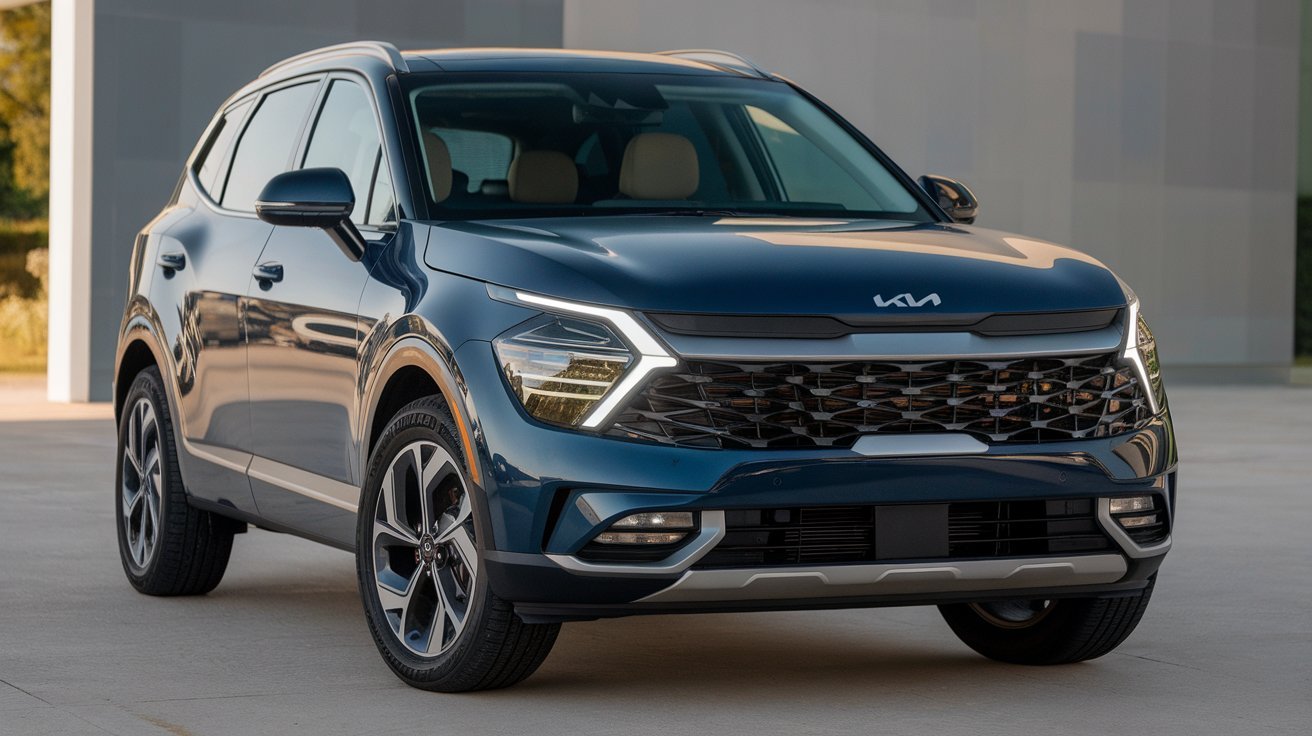
The 2027 Kia K5 Facelift Details is generating interest because Kia is continuing to develop its midsize sedan at a time when many manufacturers are shifting their focus toward SUVs and crossovers. For 2027, the K5 receives another round of updates, while Kia’s broader product strategy also points toward a K5 hybrid arriving in 2027. Official U.S. information confirms the 2027 K5 is available with a 2.5-liter engine, an available turbocharged GT powertrain, and optional all-wheel drive.
Reports about a more extensive visual facelift suggest that Kia could give the K5 a cleaner, more mature design direction. However, some of the more dramatic images circulating online are renderings rather than confirmed production photographs, so they should be treated as projections rather than official specifications.
2027 Kia K5 Facelift Design and Exterior Changes
The K5 has already undergone a significant redesign for the 2025 model year, when Kia introduced revised front and rear styling and an extensively updated cabin. The earlier facelift brought new lighting signatures, revised bumpers, new wheels, and a more modern dashboard layout.
For 2027, reports indicate that Kia may continue refining that design rather than introducing an entirely new generation. Proposed changes include a simpler and more upright front end, redesigned headlights, and a rear treatment that appears more closely related to newer Kia models such as the K4 and Sorento.
The reported design direction is significant because the current K5 has a relatively aggressive appearance. A cleaner facelift could give the sedan a more mature identity while maintaining its sporty proportions.
It is important to distinguish confirmed information from speculation. Kia’s official U.S. website currently confirms the 2027 K5 and its available equipment, but not every exterior change shown in unofficial renderings.
2027 Kia K5 Engine, Performance and AWD
The 2027 K5 continues to offer two primary gasoline engine choices in the U.S. market.
The standard engine is a 2.5-liter four-cylinder producing 186 horsepower and 178 lb-ft of torque. It is paired with an eight-speed automatic transmission. Kia offers this engine across the mainstream K5 range, and the 2027 GT-Line can be equipped with all-wheel drive.
For performance-focused buyers, the K5 GT uses a 2.5-liter turbocharged four-cylinder producing 290 horsepower and 311 lb-ft of torque. Kia pairs the GT engine with an 8-speed dual-clutch automatic transmission. The manufacturer advertises a 0-to-60-mph time of 5.4 seconds based on AMCI Testing Certified results for the 2025 K5 GT.
The GT also receives performance-oriented hardware including a wide-track sport-tuned suspension, 19-inch alloy wheels, quad-tip dual exhaust, GT-specific steering-wheel equipment, and available Pirelli P-Zero tires.
For drivers who want additional traction in rain, snow, or other challenging conditions, available torque-vectoring all-wheel drive is one of the K5’s notable advantages. Kia describes the system as distributing torque between the front and rear axles to improve traction and control.
2027 Kia K5 Hybrid: One of the Biggest Expected Changes
One of the most important developments surrounding the 2027 K5 is the planned hybrid powertrain.
Kia’s investor materials state that the company intends to expand its U.S. hybrid lineup and specifically identify the K5 as a 2027 hybrid model. Kia’s strategy shows four U.S. hybrid models in 2025, eight in 2026, and the K5 joining the lineup in 2027 and beyond.
This is potentially a major development for the K5 because a hybrid version could appeal to customers who want the practicality of a midsize sedan with greater fuel efficiency.
Details about the exact U.S.-market K5 hybrid powertrain should be separated from speculation until Kia publishes complete production specifications. Reports have associated the future model with Kia’s newer TMED-II hybrid system, but the final U.S. configuration, output, efficiency ratings, and trim availability should be confirmed through official Kia information.
The addition of hybrid technology would also allow Kia to compete more directly with efficient midsize sedans while maintaining the K5’s existing gasoline-powered lineup.
2027 K5 Interior and Technology Features
The K5’s cabin already received substantial modernization during its previous facelift. The updated interior introduced a more integrated digital dashboard, larger displays, revised controls, and other technology improvements.
For 2027, Kia continues emphasizing digital convenience. The official U.S. K5 information highlights over-the-air software updates and available Digital Key 2.0, allowing compatible smartphones to function as a vehicle key. Kia says Digital Key 2.0 can also be shared with up to three other people.
The K5 also offers a modern infotainment system with a 12.3-inch display, navigation, Bluetooth, wireless Apple CarPlay and Android Auto, and Kia Connect services, depending on trim and equipment.
The GT receives additional performance-oriented cabin touches, including a flat-bottom steering wheel with paddle shifters and SynTex seating with GT branding.
These features help maintain the K5’s position as a technology-focused midsize sedan rather than simply a transportation-oriented model.
2027 Kia K5 Safety and Driver Assistance
Safety technology remains an important part of the K5 package. Depending on trim and equipment, the 2027 model offers a broad selection of driver-assistance technologies.
Available systems include Forward Collision-Avoidance Assist, Blind-Spot Collision-Avoidance Assist, Rear Cross-Traffic Collision-Avoidance Assist, Lane Keeping Assist, Highway Driving Assist, Driver Attention Warning, parking sensors, and a rear-view camera.
Kia’s Forward Collision-Avoidance technology is designed to detect certain potential frontal collisions and, under qualifying circumstances, provide warnings and braking assistance. Driver-assistance systems remain supplemental technologies and do not replace attentive driving.
The availability of individual systems can vary by trim and package, so buyers should verify the equipment on the specific K5 configuration they are considering.
2027 Kia K5 Price, Trims and Fuel Economy
The U.S. 2027 Kia K5 starts at $27,690 according to Kia’s official website. The lineup includes LXS, GT-Line, and GT configurations, with equipment and drivetrain availability varying by trim.
For the GT-Line FWD, published specifications list an estimated 29 mpg combined, 25 mpg city, and 36 mpg highway with the 2.5-liter naturally aspirated engine. The same configuration has a 15.6-cubic-foot trunk, five-passenger seating, and a 112.2-inch wheelbase.
The GT is positioned as the performance model, while the LXS focuses on everyday practicality. The GT-Line occupies the middle ground by combining sporty styling and available AWD with the standard 2.5-liter engine.
The future hybrid K5 could change the efficiency equation considerably, but final EPA figures should be checked once Kia publishes official ratings for that version.
2027 Kia K5 vs. Previous Models
The 2027 K5 should be viewed as an evolution of the current generation rather than an entirely new car. The current generation debuted for the 2021 model year, and Kia introduced significant styling and interior updates for 2025.
The 2027 model continues the existing platform and powertrain structure while adding further refinement. The potential visual changes appear designed to align the K5 more closely with Kia’s newer global design language.
For buyers comparing model years, the biggest points to examine are front-end styling, technology equipment, trim availability, AWD, the GT powertrain, and the forthcoming hybrid model.
Final Thoughts on the 2027 Kia K5 Facelift
The 2027 Kia K5 facelift represents another stage in the development of Kia’s midsize sedan. Official U.S. specifications confirm a standard 2.5-liter four-cylinder with 186 horsepower, an available 290-hp turbocharged GT, available torque-vectoring AWD, modern connectivity, and extensive driver-assistance technology.
The most significant future development is arguably the K5 hybrid planned for 2027, which Kia has identified as part of its expanding U.S. hybrid lineup.
Meanwhile, reports of a second facelift point toward a potentially cleaner and more mature exterior design, although unofficial renderings should not be confused with confirmed production specifications.
With its combination of sporty performance, available AWD, modern technology, practical sedan packaging, and an upcoming hybrid option, the 2027 Kia K5 is positioned to remain an important part of Kia’s sedan lineup. For shoppers researching the model in 2026, the key details to watch are the final hybrid specifications and any officially confirmed exterior and interior changes.


 Lifestyle3 months ago
Daily Living Tools That Make Life Easier for Seniors
- Celebrity3 months ago
Edith Sarfati: A Closer Look at Her Life, Career, Family, and Lasting Legacy
- Business2 months ago
TravelTweaks Offers 2026 | Complete Guide to Travel Deals, Discounts & Smart Travel Planning
- Blog3 months ago
RTI Scheduler: The Complete Guide to Flexible Student Scheduling in Modern Schools
- Business2 months ago
Latest News MyGreenBucksNet (2026): Complete Guide to Platform Updates, Features, Earnings, and User Experience
- Tech2 months ago
How to Use 1.5f8-p1uzt in 2026: A Complete Guide to Understanding and Working with This Identifier
- Technology3 months ago
AICOT: Transforming the Future of Artificial Intelligence and Connected Technology
- Business2 months ago
TTweakFlight Discount Codes by TravelTweaks (2026): The Complete Guide to Saving More on Flights