
Blog
Brinks Commercial Door Closer BC4031: Specs, Installation, Adjustments and Complete Guide 2026

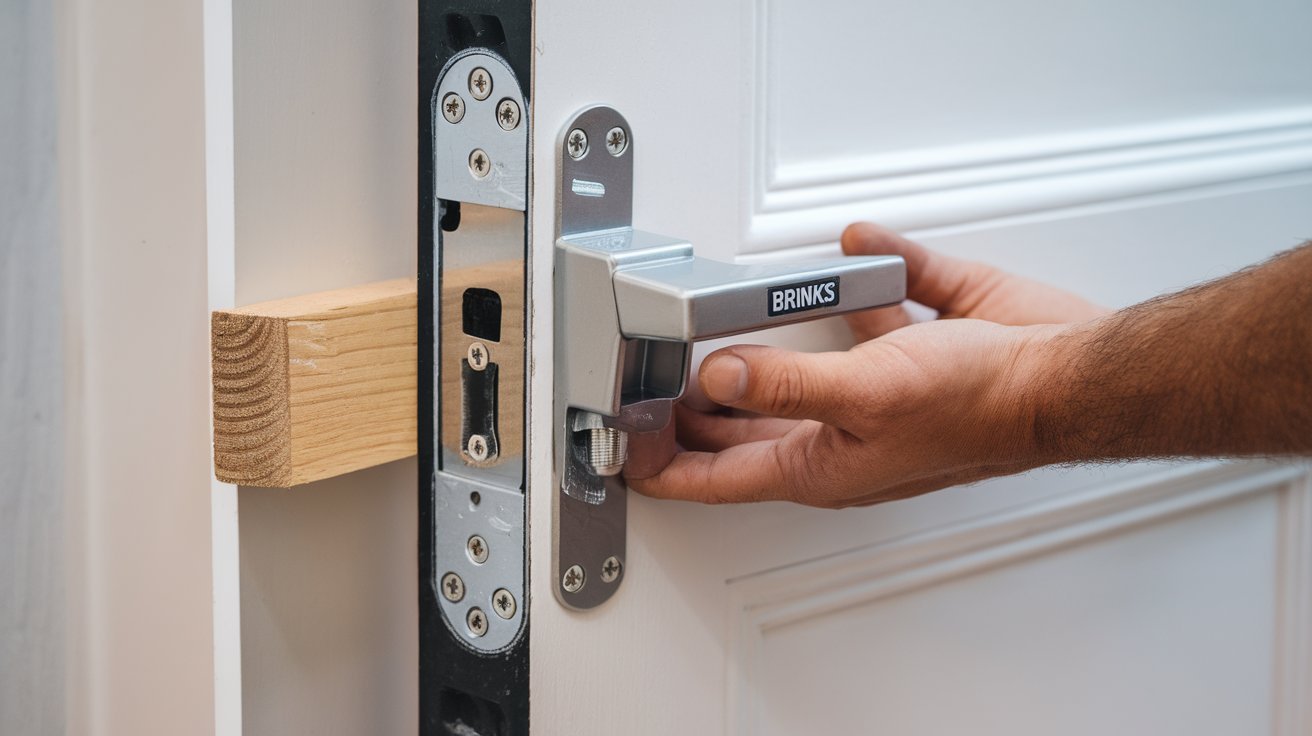
The Brinks Commercial Door Closer BC4031 is a heavy-duty, adjustable commercial door closer designed for high-traffic interior and exterior doors. Its combination of ANSI Grade 1 performance, adjustable Size 1–5 spring power, ADA compliance, 180-degree opening capability, and multiple mounting options makes it a versatile choice for commercial buildings and demanding door applications.
The BC4031 is designed to automatically close a door after opening while allowing installers to adjust important functions such as spring power, sweep speed, latching speed, and backcheck. Brinks specifies the model for left- or right-hinged interior doors up to 200 pounds and 54 inches wide, and exterior doors up to 200 pounds and 42 inches wide.
Whether it is being installed in an office, retail space, school, apartment building, warehouse, church, medical facility, or another commercial environment, understanding the BC4031’s specifications and adjustment options is essential for proper operation.
Brinks BC4031 Door Closer Specifications and Features
The BC4031 is Brinks Commercial’s aluminum-finish heavy-duty door closer. It has an all-metal body construction and is built for high-traffic commercial applications. The unit is adjustable from closer Size 1 through Size 5, allowing the installer to increase or decrease spring power according to the door and installation requirements.
Key specifications include:
- Model: BC4031
- Finish: Aluminum
- Closer rating: Adjustable Size 1–5
- Interior door capacity: Up to 200 lbs. and 54 inches wide
- Exterior door capacity: Up to 200 lbs. and 42 inches wide
- Handing: Left- or right-hinged doors
- Mounting: Standard, top jamb, or parallel arm
- Opening range: Up to 180 degrees
- Performance rating: ANSI Grade 1
- Fire rating: UL Listed, 3-hour fire rated
- Accessibility: ADA compliant
- Warranty: Limited 10-year warranty
- Product dimensions: Approximately 12.63 inches wide, 3.63 inches high, and 4.38 inches deep
- Product weight: Approximately 5.94 pounds
The adjustable spring power is one of the BC4031’s most important features. Instead of requiring a separate closer for every door size, the same closer can be configured for lighter or heavier applications within its rated range.
This flexibility can simplify replacement projects, especially when a building contains doors of different widths and weights.
What Doors Can the Brinks BC4031 Be Used On?
The Brinks BC4031 commercial door closer is intended for demanding interior and exterior applications, but the maximum recommended door size differs between the two.
For interior doors, Brinks rates the closer for doors up to 54 inches wide and 200 pounds. For exterior doors, the maximum rating is 42 inches wide and 200 pounds.
Exterior doors often experience additional resistance from wind, weather conditions, seals, and air pressure differences. For that reason, the same closer may require more spring power on an exterior door than on a similarly sized interior door.
The BC4031 includes an adjustable backcheck function, which helps create hydraulic resistance as the door approaches the fully open position. Brinks notes that backcheck can help prevent damage caused by wind on exterior-facing doors. However, backcheck is not intended to serve as a positive mechanical door stop.
Before selecting the closer, installers should consider the complete door assembly, including door width, weight, hinges, frame construction, weatherstripping, seals, wind exposure, and traffic level.
A closer that is technically rated for a door may still require careful adjustment to provide acceptable opening force and reliable closing performance.
BC4031 Standard, Top Jamb and Parallel Arm Installation
One of the biggest advantages of the Brinks BC4031 is its support for three common commercial mounting methods: standard arm, top jamb, and parallel arm installation.
Standard mounting is generally used when the closer body is installed on the door and the arm connects to the frame. This configuration is commonly used when the installation geometry allows the closer to be positioned on the appropriate side of the door.
Top jamb mounting places the closer body on the frame, with the arm connecting to the door. This can be useful when the door or frame configuration makes standard mounting unsuitable.
Parallel arm mounting positions the arm parallel to the door when it is closed, producing a cleaner appearance on the push side of many commercial doors. It requires correct arm positioning and preload during installation.
The official installation instructions provide different drilling locations and arm arrangements depending on the desired opening angle and mounting method. Installation dimensions are measured from the hinge centerline, and the instructions warn installers not to scale the drawings.
For proper operation, the forearm must be adjusted to the correct position. In regular-arm and top-jamb installations, the instructions specify positioning the forearm at approximately a 90-degree angle to ensure proper preload.
Using the wrong mounting pattern or incorrectly positioning the arm can cause difficult opening, poor closing, or problems adjusting the closer.
How to Adjust Brinks BC4031 Closing Speed and Latching Speed
After the mechanical installation is complete, the BC4031 must be adjusted so the door closes safely and consistently.
The closer includes separate hydraulic controls for closing or sweep speed and latching speed. Sweep speed controls much of the door’s movement as it closes from the open position, while latching speed controls the final portion of travel as the door moves into the closed and latched position.
The installation instructions state that turning the regulating valves clockwise slows door movement, while turning them counterclockwise increases the speed. Brinks cautions installers not to back the valves out of the closer, as doing so can cause leakage.
The instructions recommend adjusting the standard closing cycle to approximately 4 to 6 seconds from 90 degrees. Doors used by elderly people, people with disabilities, or small children may require longer closing times.
Adjustment should be made gradually. A practical approach is to turn a valve only a small amount, test the door, and then repeat as necessary.
If the door closes too quickly, it may slam, create excessive noise, or create a safety concern. If it closes too slowly, it may fail to latch consistently or allow unwanted air movement through the opening.
Brinks BC4031 Spring Power and Backcheck Adjustment
The adjustable Size 1–5 spring power allows the BC4031 to be matched more closely to the door. Higher spring settings provide more closing force, while lower settings reduce the force needed to operate the door.
According to Brinks support guidance, if the door is too difficult to push or pull open, installers using regular-arm or top-jamb mounting should first check that the forearm is positioned correctly. The support guidance recommends ensuring the forearm is at a 90-degree angle, reducing the spring power by backing out the “P” or power valve until it reaches its stop, and, where applicable, repositioning the forearm connection to reduce opening force.
The backcheck valve controls hydraulic resistance during the latter part of the opening cycle. Turning the adjustment in one direction increases resistance, while the opposite direction decreases it. The installation information specifically warns that the backcheck valve should never be closed completely and should not be treated as a substitute for a door stop.
Correct adjustment requires balancing several factors. The door needs enough closing force to overcome seals and latch reliably, but excessive spring power can make the door unnecessarily difficult to open.
Common Brinks BC4031 Problems and Troubleshooting Tips
If a newly installed Brinks BC4031 door closer does not operate correctly, the problem is often related to installation geometry or adjustment rather than a defective closer.
If the door is difficult to open, check the spring-power setting and arm position. Brinks recommends confirming the proper forearm angle and reducing the spring setting where appropriate.
If parallel-arm adjustments do not appear to work, Brinks advises reviewing the arm installation procedure. The pinion must be rotated and the main arm positioned correctly during installation; incorrect arm positioning can prevent normal closer operation.
Another important rule is to avoid over-adjusting valves. Hydraulic controls should not be unscrewed beyond their intended operating range because leakage can result.
Is the Brinks Commercial Door Closer BC4031 a Good Choice?
The Brinks Commercial Door Closer BC4031 is a strong option for applications requiring a heavy-duty, versatile, commercial-grade door closer. Its adjustable Size 1–5 power range, support for three mounting configurations, ANSI Grade 1 rating, ADA compliance, and UL-listed 3-hour fire rating give it a broad range of potential uses.
The closer is particularly suitable for high-traffic interior doors up to 54 inches wide and exterior doors up to 42 inches wide, provided the complete door system falls within the manufacturer’s specifications.
Its adjustable closing speed, latching speed, spring power, and backcheck allow installers to fine-tune operation for the specific application. The availability of standard, top-jamb, and parallel-arm mounting also makes it useful for both replacement work and new commercial installations.
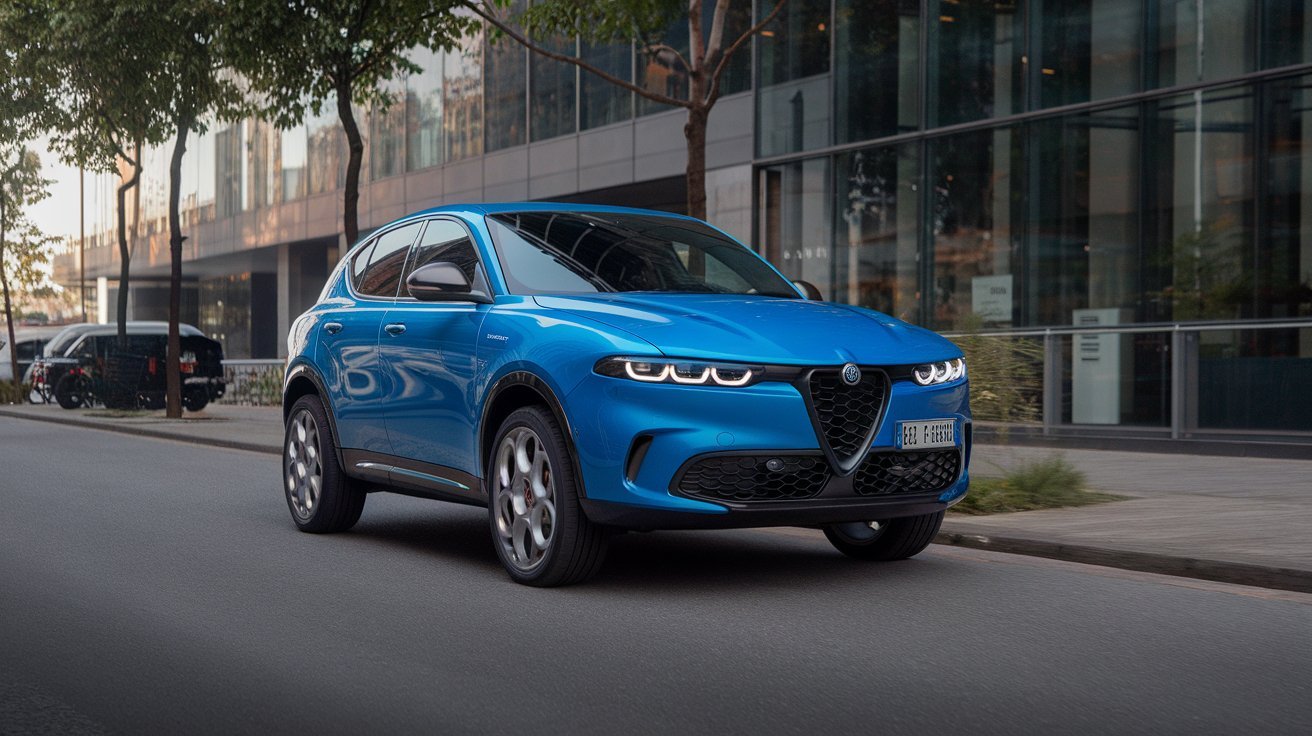
The 2025 Alfa Romeo Tonale brings Italian styling, sporty driving dynamics, modern technology, and all-wheel drive together in a compact luxury SUV. For 2025, the Tonale becomes particularly interesting because Alfa Romeo expands the lineup with a turbocharged gasoline model, giving buyers an alternative to the plug-in hybrid version that launched the model in the United States. The result is a small SUV designed for drivers who want something more distinctive than the typical luxury crossover.
With its sculpted exterior, driver-focused cabin, responsive powertrains, and standard AWD, the 2025 Alfa Romeo Tonale occupies an unusual position between premium practicality and performance-oriented driving. The gasoline model produces 268 horsepower, while the plug-in hybrid develops 285 horsepower and combines a turbocharged engine with electric motors.
What Makes the 2025 Alfa Romeo Tonale Stand Out?
The strongest attraction of the 2025 Alfa Romeo Tonale is its personality. Many compact luxury SUVs focus primarily on comfort, technology, or practicality, while the Tonale places considerably more emphasis on design and driving character. Its exterior carries recognizable Alfa Romeo styling, including the signature shield-shaped grille, distinctive lighting, sculpted bodywork, and athletic proportions.
At approximately 178.3 inches long, the Tonale is compact enough for urban driving while providing seating for five people. Its 103.8-inch wheelbase contributes to a manageable footprint without making the vehicle feel like a tiny crossover. The cabin provides 41.7 inches of front legroom and 38.0 inches of rear legroom.
The design continues inside with a driver-oriented dashboard, digital instrumentation, sporty controls, and premium-oriented materials. The overall presentation aims to deliver a more emotional experience than a conventional family crossover. This combination of Italian design and compact SUV practicality is one of the Tonale’s biggest selling points.
2025 Alfa Romeo Tonale Engine and Performance
For 2025, buyers can choose between a 2.0-liter turbocharged gasoline engine and a 1.3-liter plug-in hybrid powertrain, depending on configuration. The new gas-powered Tonale produces 268 horsepower and 295 lb-ft of torque and sends power through a nine-speed automatic transmission to all four wheels.
Performance is one of the reasons the gasoline Tonale deserves attention. Independent testing recorded a 0-to-60-mph time of 5.6 seconds, demonstrating that this small SUV has considerably more performance than its practical shape might suggest. Its turbocharged engine provides strong acceleration for merging, passing, and highway driving.
The Tonale also benefits from a suspension setup intended to preserve Alfa Romeo’s sporty character. Available adaptive dampers can further improve control and handling, while performance-focused configurations add upgraded brakes and larger wheels. Drivers looking for a more engaging experience can therefore choose equipment that emphasizes the Tonale’s dynamic personality.
The plug-in hybrid model takes a different approach. Its 285-horsepower powertrain combines gasoline and electric propulsion, producing 347 lb-ft of torque according to Edmunds specifications. It uses all-wheel drive and can travel an EPA-rated 33 miles on electric power before operating primarily as a hybrid.
Fuel Economy and Plug-In Hybrid Efficiency
Fuel economy is another important difference between the two versions. The gasoline-powered 2025 Tonale is rated at 21 mpg city and 29 mpg highway, with a combined EPA rating of 24 mpg. The gasoline model uses premium unleaded fuel and has a 13.5-gallon tank.
The plug-in hybrid can be significantly more efficient when regularly charged. Edmunds lists 77 MPGe combined, along with a 33-mile electric range. Once the battery is depleted, the PHEV is rated at approximately 29 mpg combined. A 240-volt connection can recharge the battery in roughly four hours.
This makes the PHEV particularly appealing to drivers with short daily commutes who can charge at home. Many everyday journeys could potentially be completed primarily using electric power, while the gasoline engine provides additional flexibility for longer trips.
The gasoline version, meanwhile, is simpler and generally more accessible from a purchase-price perspective. It makes sense for drivers who prioritize performance, straightforward operation, and lower initial cost over maximum electrification.
Interior, Technology, and Everyday Practicality
Inside, the 2025 Alfa Romeo Tonale blends sporty styling with technology expected from a modern premium SUV. A 10.2-inch infotainment display is listed among the standard equipment, along with Apple CarPlay and Android Auto. Wireless charging, heated steering functionality, dual-zone climate control, and parking sensors are also available in the equipment mix.
The driver benefits from a digital instrument display and a cockpit designed around the person behind the wheel. Higher trims can add premium audio, a power moonroof, upgraded seating materials, and additional comfort features.
Cargo capacity is respectable for a vehicle in this class. The Tonale offers approximately 22.9 cubic feet behind the rear seats and up to 50.5 cubic feet with the rear seats folded.
That makes it suitable for groceries, luggage, sports equipment, and normal household errands, although shoppers who place maximum interior space above styling or driving enjoyment may find larger compact SUVs more accommodating.
Safety and Driver-Assistance Features
The 2025 Tonale also offers a broad selection of modern safety technologies. Available and standard equipment includes blind-spot monitoring, lane-keeping assistance, rear cross-traffic alert, adaptive cruise control, forward collision protection, automatic emergency braking assistance, stability control, and traction control.
These technologies are especially useful in everyday city and highway driving. Blind-spot monitoring can assist when changing lanes, while adaptive cruise control can reduce driver workload during longer highway journeys. Parking sensors and a rear-view camera further improve confidence when maneuvering in crowded areas.
The combination of safety technology and standard all-wheel drive makes the Tonale more than a style-focused vehicle. It is designed to function as a practical daily SUV while maintaining Alfa Romeo’s performance-oriented identity.
2025 Alfa Romeo Tonale Price and Trims
Pricing varies considerably according to powertrain and equipment. Edmunds lists the 2025 gasoline Tonale Base at a $36,495 starting MSRP, while the plug-in hybrid versions begin substantially higher.
The gasoline model’s lower starting price makes it an especially interesting option for buyers comparing compact luxury SUVs. It offers 268 horsepower, AWD, and a nine-speed automatic transmission without requiring the additional cost and complexity associated with a plug-in hybrid system.
The PHEV can command a higher price because of its electric components and greater powertrain complexity. Higher-level versions can reach the mid-$50,000 range, particularly when premium options and upgraded equipment are included. Edmunds lists the Intensa PHEV at $54,495 MSRP.
Consequently, the best version depends heavily on how the vehicle will be used. Buyers wanting strong performance and a lower entry price may prefer the gasoline model, while those who can charge regularly may find the PHEV more compelling.
2025 Alfa Romeo Tonale vs. Its Luxury SUV Rivals
The Tonale competes with vehicles such as the BMW X1, Volvo XC40, and Mercedes-Benz GLA-Class, but its approach is somewhat different. Rather than attempting to dominate every category, Alfa Romeo emphasizes styling, performance, and driving character.
The Tonale is particularly appealing to buyers who want a compact luxury SUV that does not look like every other vehicle in the segment. Its Italian design gives it a strong visual identity, while the turbocharged gasoline engine provides impressive acceleration.
There are compromises. Interior space is not class-leading, and some reviews have noted that the infotainment interface can take time to learn. The gasoline model’s fuel economy is also merely average for the category.
Nevertheless, these weaknesses do not erase the Tonale’s central advantage: it delivers a distinctive combination of luxury-SUV practicality and sporty character.
Is the 2025 Alfa Romeo Tonale Worth Considering?
The 2025 Alfa Romeo Tonale is one of the more distinctive choices in the compact luxury SUV market. Its strongest qualities include expressive Italian styling, standard all-wheel drive, quick acceleration, a well-equipped cabin, and the availability of both gasoline and plug-in hybrid powertrains.
The new 268-horsepower gasoline model is especially noteworthy because it provides a simpler alternative to the PHEV while retaining the Tonale’s sporty character. The plug-in hybrid remains attractive for drivers who can regularly charge and want the ability to complete shorter journeys using electric power.
With seating for five, up to 50.5 cubic feet of maximum cargo space, modern driver-assistance technology, and strong performance, the Tonale can serve as an everyday vehicle without sacrificing personality.
For buyers who value design, driving enjoyment, AWD capability, and individuality, the 2025 Alfa Romeo Tonale deserves a place on the shortlist. It may not be the most practical or refined SUV in every category, but its distinctive character is precisely what makes it stand apart.
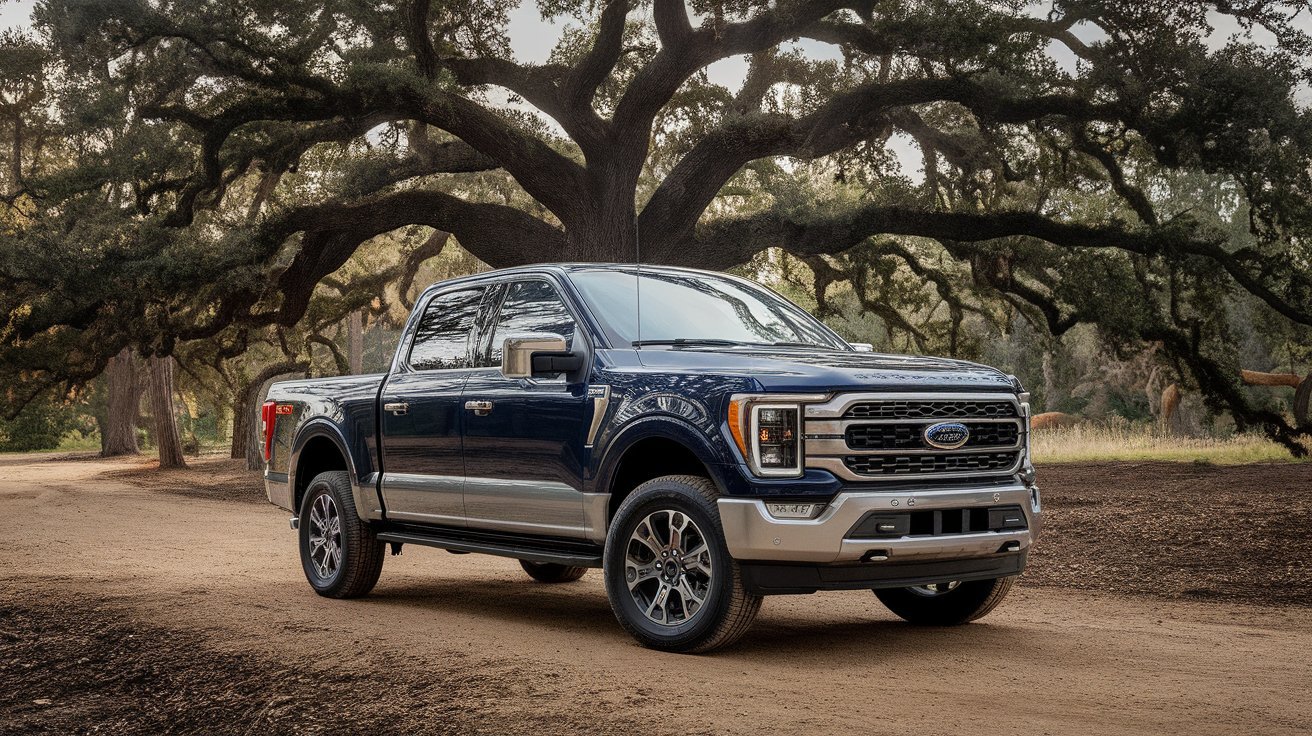
The 2026 Ford F-250 Super Duty is a heavy-duty pickup designed for drivers who need substantially more towing and payload capability than a typical half-ton truck. Positioned between the F-150 and F-350 in Ford’s Super Duty lineup, the F-250 combines a choice of powerful gasoline and diesel V8 engines, a standard 10-speed automatic transmission, available four-wheel drive, advanced trailer technology, and multiple cab and bed configurations.
For 2026, the F-250 remains focused on serious work. Ford offers the truck in XL, XLT, Lariat, King Ranch, and Platinum trims, allowing buyers to choose everything from a relatively straightforward work truck to a highly equipped luxury-oriented pickup. Depending on configuration and equipment, the Super Duty family offers up to 40,000 pounds of gooseneck towing capacity, although the maximum figure applies to appropriately equipped Super Duty models and not every F-250 configuration.
What Is the 2026 Ford F-250?
The 2026 Ford F-250 Super Duty is a heavy-duty pickup built around a high-strength, fully boxed steel frame. Unlike the F-150, which is designed around a wider range of everyday and light-duty applications, the F-250 is intended for customers who regularly tow and haul substantial loads.
Ford offers the F-250 with Regular Cab, SuperCab, and Crew Cab configurations, depending on the selected equipment. Buyers can also choose different bed lengths and either 4×2 or available 4×4 drivetrains.
The F-250’s design emphasizes durability, towing visibility, trailer control, and work-oriented functionality. Even the entry-level F-250 XL includes features such as a heavy-duty trailer hitch receiver, Trailer Sway Control, Hill Start Assist, and an available trailer brake controller.
For buyers who need a truck for construction, agriculture, landscaping, equipment transportation, recreational towing, or heavy trailers, the F-250 provides a considerable step up from a conventional pickup.
2026 Ford F-250 Engine Options and Performance
One of the biggest strengths of the 2026 Ford F-250 is its four available V8 powertrains. Buyers can select between two gasoline engines and two versions of Ford’s Power Stroke diesel.
The standard 6.8-liter gas V8 produces 405 horsepower and 445 lb-ft of torque. It is aimed at customers who need substantial capability without choosing a diesel. The available 7.3-liter gas V8 increases output to 430 horsepower and 485 lb-ft of torque.
For customers who regularly tow heavy trailers, the 6.7-liter Power Stroke V8 diesel is a major attraction. It produces 475 horsepower and 1,050 lb-ft of torque. The available 6.7-liter High Output Power Stroke raises those figures to an impressive 500 horsepower and 1,200 lb-ft of torque.
Every 2026 Super Duty pickup uses a 10-speed TorqShift automatic transmission, providing numerous gear ratios for maintaining useful engine speed while accelerating, climbing grades, or towing.
The choice between gas and diesel depends heavily on usage. A gas F-250 can make sense for buyers who tow occasionally and want lower purchase complexity, while the Power Stroke diesel is particularly attractive for frequent heavy towing and long-distance hauling.
Towing and Payload Capability
Towing is where the 2026 F-250 really separates itself from ordinary pickups. Ford’s official 2026 towing guide lists maximum F-250 capability that varies considerably according to engine, cab, drivetrain, axle ratio, trailer type, and optional packages.
The 6.8-liter gas V8 has an available maximum towing figure of 18,900 pounds, while the 7.3-liter gas V8 can reach 22,500 pounds when properly equipped for the applicable towing configuration. The standard 6.7-liter Power Stroke can reach 38,600 pounds, while the High Output diesel can reach 40,000 pounds in the appropriate configuration.
Payload is equally important. Ford lists a maximum available 8,000-pound gas payload for the Super Duty range, while maximum available diesel payload is listed at 6,952 pounds. Actual F-250 payload varies according to configuration, options, passengers, cargo, and other factors.
These figures demonstrate why buyers should never judge towing capability simply by the model name. The exact truck configuration and equipment determine the usable rating.
Trim Levels and Interior Features
The 2026 Ford F-250 XL is the work-oriented starting point. It offers essential Super Duty capability while keeping the emphasis on practicality. Available features include a 48-gallon fuel tank, trailer brake controller, remote start, STX appearance equipment, and various work-focused options.
The XLT adds additional comfort and technology, including available heated eight-way power front seats, an available Tremor Off-Road Package, automatic high beams, and upgraded interior equipment.
Moving into the Lariat, the F-250 becomes considerably more upscale. Available features include PowerScope trailer tow mirrors, a 360-degree camera, a 12-inch cluster display, wireless charging, ActiveX-trimmed seats, dual-zone automatic climate control, and a B&O sound system.
The King Ranch and Platinum trims push the truck toward luxury territory. King Ranch equipment can include leather seating, power-deployable running boards, advanced trailer assistance, onboard scales with Smart Hitch, and a 14-speaker B&O Unleashed sound system. Platinum adds features such as a head-up display, heated and ventilated front seats, premium wheels, and available Max Recline seats.
Technology and Trailer Assistance
A major advantage of the 2026 F-250 is that Ford has integrated technology specifically around towing. Available systems include Pro Trailer Hitch Assist, Pro Trailer Backup Assist, Trailer Reverse Guidance, Onboard Scales with Smart Hitch, and 360-degree camera technology.
These features can make a large trailer easier to position and monitor. Onboard scales can also help drivers understand trailer and tongue-load conditions, while camera systems improve visibility around the truck and trailer.
Safety and convenience technology varies by trim. Ford lists Pre-Collision Assist with Automatic Emergency Braking, Trailer Sway Control, Hill Start Assist, and other driver-support features among the Super Duty’s available or standard equipment depending on configuration.
For someone who regularly works alone, these technologies can be more than luxury features. Better visibility and trailer control can make complicated towing tasks substantially easier.
4×4, Tremor, and Everyday Driving
The 2026 F-250 comes with 4×2 as the standard drivetrain arrangement, while 4×4 is available. Four-wheel drive is particularly useful for customers who tow or work on muddy construction sites, snowy roads, farms, gravel surfaces, or other low-traction environments.
The available Tremor Off-Road Package adds an additional layer of capability for customers who want their heavy-duty truck to venture beyond paved roads. It is available on appropriate F-250 configurations and combines the truck’s heavy-duty platform with equipment intended for off-road use.
Despite its capability, an F-250 is a large vehicle. Buyers moving from a smaller pickup should expect a wider body, longer dimensions in some configurations, a larger turning circle, and more challenging parking. The Crew Cab with an 8-foot bed can be particularly substantial.
That size is a disadvantage for urban maneuvering but an advantage when interior room, cargo space, towing stability, and working capability are the priorities.
Is the 2026 Ford F-250 Worth Buying?
The 2026 Ford F-250 makes the most sense for buyers who genuinely need heavy-duty capability. If your primary activities involve commuting, occasional light towing, and carrying small loads, a smaller pickup may be easier and less expensive to operate.
For customers who regularly tow large fifth-wheel or gooseneck trailers, haul heavy equipment, or need a durable work truck, the F-250 offers a strong combination of engine choices, towing technology, payload capacity, and customization.
The 7.3-liter gas V8 is a compelling choice for buyers wanting strong gasoline performance, while the 6.7-liter Power Stroke makes more sense for frequent heavy-duty towing. The High Output diesel is aimed at buyers who want maximum capability and are prepared to pay for the associated equipment and operating costs.
The right F-250 therefore depends less on choosing the most expensive trim and more on matching the engine, axle ratio, cab, bed, drivetrain, and towing package to the work you actually perform.
Frequently Asked Questions About the 2026 Ford F-250
How much horsepower does the 2026 F-250 have?
The 2026 Super Duty engine lineup ranges from 405 horsepower with the 6.8-liter gas V8 to 500 horsepower with the High Output 6.7-liter Power Stroke diesel.
How much torque does the 2026 F-250 have?
Torque ranges from 445 lb-ft with the 6.8-liter gas V8 to 1,200 lb-ft with the High Output Power Stroke diesel.
What is the maximum towing capacity of the 2026 F-250?
Maximum towing depends on configuration and trailer type. The broader 2026 Super Duty lineup reaches 40,000 pounds of gooseneck towing, while individual F-250 configurations have lower maximum ratings. Always consult the exact Ford towing guide for the truck being purchased.
Does the 2026 F-250 come with 4WD?
The F-250 has 4×2 as standard, with 4×4 available on appropriate configurations.
Which F-250 engine is best for towing?
For frequent heavy towing, the 6.7-liter Power Stroke diesel is the most logical choice because of its high torque output. Buyers who tow less frequently may prefer the 7.3-liter gas V8 for its 430 horsepower and 485 lb-ft of torque.
Conclusion
The 2026 Ford F-250 Super Duty is built for people who need considerably more capability than an ordinary pickup can provide. With four V8 powertrain choices, a 10-speed automatic transmission, available 4×4, substantial payload capability, and sophisticated trailer technology, it is one of the most capable heavy-duty pickups in Ford’s lineup.
The 6.8-liter and 7.3-liter gasoline engines offer strong performance without requiring diesel ownership, while the 6.7-liter Power Stroke and High Output Power Stroke deliver the immense torque needed for demanding towing jobs. Meanwhile, the range of trims means the same basic F-250 can function as a basic work truck or a highly luxurious long-distance tow vehicle.
For 2026 buyers, the key is to choose the truck based on actual towing and payload requirements rather than simply selecting the biggest engine or highest trim. When correctly configured, the 2026 Ford F-250 provides the combination of strength, technology, comfort, and versatility expected from a modern Super Duty pickup.
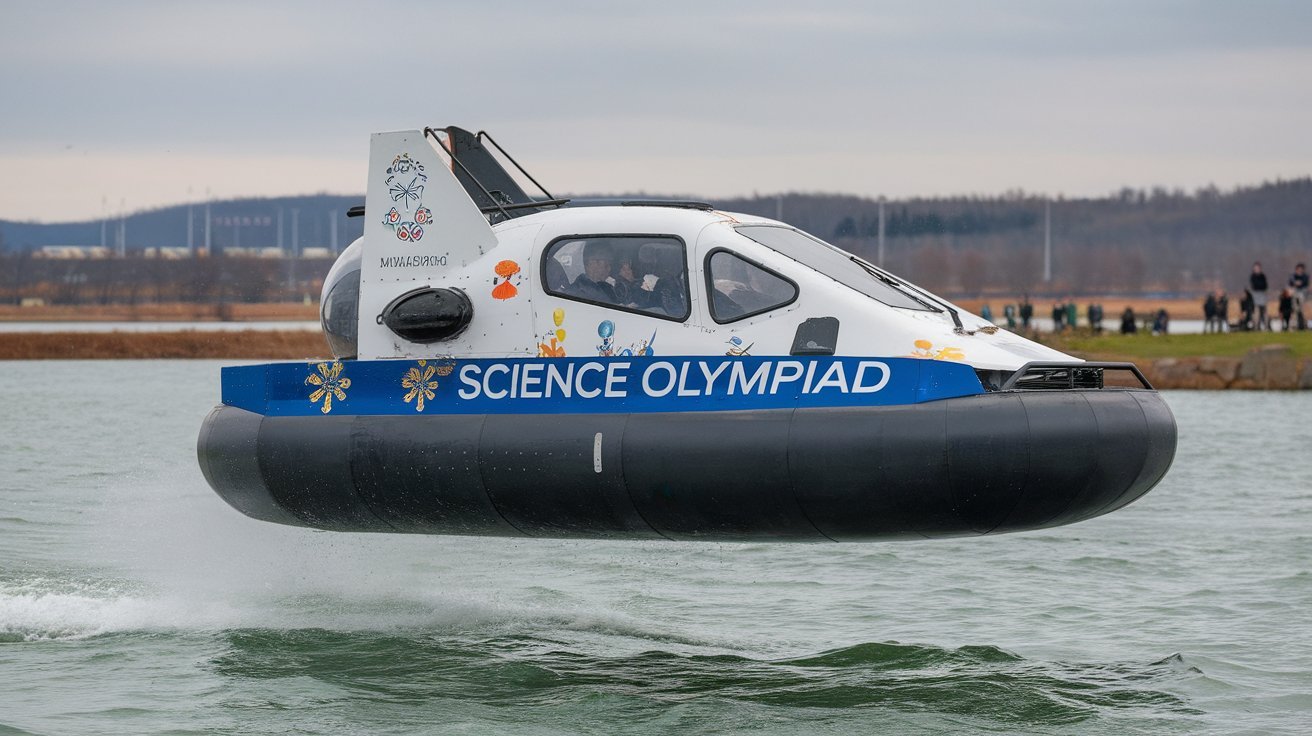
Building a hovercraft Science Olympiad is an exciting engineering challenge that combines physics, electronics, aerodynamics, design, and experimental testing. Unlike a typical science project, a Science Olympiad hovercraft must be designed not only to work but also to perform consistently under competition conditions.
For the 2026 Science Olympiad season, the Hovercraft event challenges students to design, construct, test, and calibrate a self-propelled, air-levitated vehicle that travels along a track. The goal is to create a machine that floats efficiently on an air cushion while achieving a strong competition score.
Whether you are just starting your first build or trying to improve an existing design, understanding the hovercraft principle, skirt design, propulsion, batteries, testing strategy, and official rules can make a major difference.
What Is the Science Olympiad Hovercraft Event?
The Science Olympiad Hovercraft event is an engineering competition in which teams build a small vehicle that travels while levitating on a cushion of air. The vehicle uses air pressure underneath its base to reduce contact with the track, while a propulsion system moves it forward.
The event is designed to test much more than construction skills. Students need to understand friction, pressure, force, mass, acceleration, electrical power, propulsion, stability, and experimental optimization.
Science Olympiad describes the event as requiring participants to design, construct, and calibrate a self-propelled air-levitated vehicle. Teams must therefore think like engineers rather than simply assembling a model from a kit.
The most successful approach is usually an iterative one: build, measure, modify, test, record, and repeat.
How Does a Hovercraft Work?
The basic science behind a hovercraft is relatively simple.
A fan or blower pushes air underneath the vehicle. The air becomes trapped beneath a flexible skirt, creating an area of increased pressure. This pressure produces an upward force that partially supports the weight of the vehicle.
Once the hovercraft is riding on an air cushion, friction with the track can become very small. A separate propulsion system can then push the vehicle forward.
There are three important systems to understand:
1. Lift system: Produces the air cushion underneath the vehicle.
2. Skirt system: Controls how air escapes and helps maintain pressure beneath the craft.
3. Propulsion system: Creates the forward force necessary to move the vehicle down the track.
A good competition hovercraft must balance these systems. More airflow is not automatically better. Excessive airflow can waste battery power, increase turbulence, or make the vehicle unstable.
Designing the Best Hovercraft for Science Olympiad
The ideal design should be lightweight, stable, efficient, and easy to adjust. A complicated vehicle is not necessarily a better vehicle.
Start with a rigid but lightweight base. Materials such as foam board, lightweight plastic, thin plywood, or other permitted construction materials can be considered depending on the current rules.
The center of mass is also important. If the weight is heavily concentrated toward one side, the skirt may not seal evenly. Uneven loading can cause air leakage and make the vehicle drift.
Keep major components positioned so that the craft remains balanced.
The skirt deserves special attention. Its purpose is to help contain air and create the air cushion. Small leaks are normal in many hovercraft designs, but uncontrolled leaks can dramatically reduce lift efficiency.
During testing, observe whether the vehicle sits level. If one corner is consistently lower, investigate the skirt, weight distribution, or airflow before increasing motor power.
Choosing Motors, Fans, and Batteries
The electrical system is one of the most important parts of a competitive Science Olympiad hovercraft.
A typical design may use one motor or fan for lifting air and another propulsion motor for forward movement. The exact configuration depends on the design and current rules.
The 2026 rules include restrictions concerning battery voltage and propulsion components, so competitors should check the official rules before selecting electronics.
Motor selection should focus on efficiency rather than maximum power. A powerful motor that quickly drains the battery may perform worse than a moderately powered motor that provides consistent thrust throughout the run.
Propeller and impeller safety is also critical. Components that rotate at high speed must be appropriately shielded according to the competition requirements.
Before competition, test the complete electrical system repeatedly. Check:
- Battery voltage
- Motor temperature
- Propeller balance
- Wiring connections
- Switch reliability
- Airflow
- Runtime
- Propulsion consistency
A hovercraft that works perfectly once but fails after several runs is not competition-ready.
Testing and Optimization Strategy
Testing is arguably the most important part of building a Science Olympiad hovercraft.
Do not change several variables simultaneously. If you change the skirt, motor power, weight, and propeller at the same time, you will not know which modification caused the improvement.
Instead, use controlled experiments.
For example, record the vehicle’s performance with three different lift-power settings. Keep the weight, battery, skirt, and propulsion system unchanged. Compare the results and determine which setting provides the best balance between lift and energy consumption.
Then test another variable.
Create a design log or testing spreadsheet containing measurements such as:
- Lift power
- Propulsion power
- Battery voltage
- Vehicle mass
- Runtime
- Travel time
- Distance traveled
- Number of incomplete runs
- Skirt configuration
- Environmental observations
Data allows you to make engineering decisions based on evidence instead of guesses.
Understanding the 2026 Science Olympiad Scoring
For 2026, the official Hovercraft rules use performance-based scoring involving distance and time, with additional scoring opportunities depending on the specific competition rules.
A complete run receives a full distance score, while the time component rewards a runtime close to the assigned Target Time (TT). This means simply making the vehicle as fast as possible may not produce the highest score.
That is an important strategic difference.
A vehicle that finishes significantly faster than the target can potentially score worse on the time component than a vehicle that finishes very close to the target.
The 2026 rules also describe a possible Bonus Run and Bonus Target Time under the applicable conditions. Construction and competition violations can reduce the scores earned during a run.
Because Science Olympiad rules can change and official clarifications take precedence, teams should always verify the current official Rules Manual, rules corrections, and FAQs before competition.
Common Hovercraft Problems and How to Fix Them
One common problem is that the hovercraft does not lift properly. Check for excessive weight, major skirt leaks, inadequate airflow, or an uneven base.
If the vehicle lifts but moves poorly, investigate the propulsion system. The propeller may not be producing enough useful thrust, or the airflow may be interfering with the lift system.
If the hovercraft constantly moves toward one side, inspect the skirt and weight distribution. A slightly uneven skirt can cause asymmetric airflow.
Battery problems are another frequent source of inconsistent performance. Batteries should be tested under realistic operating conditions rather than simply checking their voltage while disconnected.
Finally, avoid making last-minute major modifications at a tournament. The best competition vehicle is one that has already been tested extensively and understood thoroughly.
Final Tips for a Winning Science Olympiad Hovercraft
A successful hovercraft Science Olympiad is the result of careful engineering rather than one magical component.
Keep the design lightweight. Make the skirt reliable. Balance the vehicle carefully. Protect rotating components. Select efficient motors. Test batteries under load. Record every meaningful experiment.
Most importantly, optimize for the actual scoring system, not simply for maximum speed.
Teams should also become familiar with their vehicle’s behavior. Know how it reacts to different batteries, surface conditions, lift settings, and propulsion settings. Practice making small adjustments quickly and safely.
The 2026 Hovercraft event provides an excellent opportunity to apply classroom science to a real engineering problem. By combining air pressure, friction reduction, propulsion, electronics, data analysis, and careful experimentation, students can transform a simple-looking model into a sophisticated competition machine.
Before finalizing your design, always compare it against the current official Science Olympiad rules, because the official Rules Manual and published clarifications—not older build guides—determine what is legal at competition.

Brinks Commercial Door Closer BC4031: Specs, Installation, Adjustments and Complete Guide 2026

Richmond Islamic Community Center YouTube: Videos, Lectures, Prayer and Community Resources 2026

2025 Alfa Romeo Tonale: Complete Guide to Performance, Features, Pricing, and Efficiency


 Lifestyle2 months ago
Daily Living Tools That Make Life Easier for Seniors
- Celebrity2 months ago
Edith Sarfati: A Closer Look at Her Life, Career, Family, and Lasting Legacy
- Business2 months ago
TravelTweaks Offers 2026 | Complete Guide to Travel Deals, Discounts & Smart Travel Planning
- Blog2 months ago
RTI Scheduler: The Complete Guide to Flexible Student Scheduling in Modern Schools
- Business2 months ago
Latest News MyGreenBucksNet (2026): Complete Guide to Platform Updates, Features, Earnings, and User Experience
- Technology2 months ago
AICOT: Transforming the Future of Artificial Intelligence and Connected Technology
- Business2 months ago
TTweakFlight Discount Codes by TravelTweaks (2026): The Complete Guide to Saving More on Flights
- Entertainment2 months ago
Bodenxt: A Complete Guide to Features, Benefits, Applications, and Future Potential