Blog
Connections NYT Mashable: Hints and Answers for September 16, 2026


If you are searching for Connections NYT Mashable, you are probably looking for today’s hints, categories, words, and answers for the popular New York Times word puzzle. NYT Connections challenges players to sort 16 seemingly unrelated words into four groups of four, with each group sharing a hidden connection. Some categories are straightforward, while others rely on wordplay, names, prefixes, suffixes, or unexpected meanings.
For Wednesday, September 16, 2026, the current puzzle is Connections #1193. Today’s board includes words such as LATIN, PENNYWISE, NICKELODEON, BORAT, QUARTERBACK, MARIGOLD, BARRETT, and FRANK-N-FURTER. The four categories involve metal elements, U.S. coins, poets’ middle names, and sausages plus one letter. Current puzzle guides independently report the same solution.
What Is NYT Connections?
NYT Connections is a daily word game from The New York Times in which players receive a grid containing 16 words. The objective is to identify four groups, with exactly four words belonging to each group. The challenge comes from finding the intended relationship while avoiding tempting connections that the puzzle deliberately places on the board.
The groups are commonly represented by four colors based on difficulty: yellow, green, blue, and purple. Players receive up to four mistakes, so choosing a group that merely seems plausible can be costly.
Unlike Wordle, which focuses on identifying one five-letter word, Connections requires players to think about relationships between multiple words. A word may appear to fit two different categories, creating one of the game’s most common traps. Today’s puzzle demonstrates that design particularly well because several entries look like names of fictional characters, brands, or people while actually belonging to completely different categories.
Connections NYT Mashable Hints for Today
If you want to solve today’s puzzle without immediately seeing all the answers, start with these spoiler-light hints.
Yellow hint: Think about the periodic table and what can appear at the ends of words.
Green hint: Think about American money, particularly familiar U.S. coins.
Blue hint: Think about poets and the middle portions of their full names.
Purple hint: Think about sausages, then consider what happens when a single letter is added.
These clues provide the central ideas without giving away every word. Parade similarly describes today’s four concepts as words ending in metal elements, words beginning with U.S. coins, poets’ middle names, and sausages with an extra letter.
The important strategy is to avoid forcing a word into a category simply because it seems to fit. Connections is designed around overlapping possibilities, so waiting until you can identify four words that share a precise relationship is often safer.
Today’s Connections Answers: September 16, 2026
Spoiler warning: The complete solutions appear below.
The four groups in Connections #1193 are:
Yellow: Ending in Metal Elements
- LATIN
- LONG JOHN SILVER
- MARIGOLD
- STEAM IRON
Each entry ends with the name of a metal element. LATIN ends with “tin,” LONG JOHN SILVER ends with “silver,” MARIGOLD ends with “gold,” and STEAM IRON ends with “iron.”
Green: Starting With U.S. Coins
- DIMENSION
- NICKELODEON
- PENNYWISE
- QUARTERBACK
The beginnings of these words contain familiar U.S. coin names: dime, nickel, penny, and quarter. This is a good example of how Connections can hide a category inside only part of a word.
Blue: Poets’ Middle Names
- BARRETT
- CARLOS
- ST. VINCENT
- WADSWORTH
These are middle names associated with famous poets, including Elizabeth Barrett Browning, William Carlos Williams, Edna St. Vincent Millay, and Henry Wadsworth Longfellow. The category requires knowledge of full names rather than simply recognizing the words individually.
Purple: Sausages Plus a Letter
- BORAT
- CLINK
- FRANK-N-FURTER
- WIDENER
This category uses wordplay. Each entry is connected to a sausage term with an additional letter: brat, link, frankfurter, and wiener. This is the type of construction that can make the purple category particularly difficult to spot.
How to Solve Connections Without Spoilers
The best way to approach NYT Connections is to look for the most obvious relationship first. Once you find a possible group, test all four words carefully before submitting it.
Do not assume that two or three related words automatically identify a category. The fourth word is often deliberately hidden among several decoys. Today’s PENNYWISE, for example, may make players think of fictional characters, while NICKELODEON might encourage a television-related association. Their actual connection is the coin hidden at the beginning of each word.
It is also useful to examine word structure, not just meaning. Look at beginnings, endings, abbreviations, embedded words, sounds, and names. Today’s metal-elements group and U.S.-coin group both demonstrate why paying attention to portions of words can reveal a category.
If you have already identified three groups, the remaining four words can sometimes reveal the final category through elimination. However, elimination works best after the first three groups have been confirmed rather than guessed.
Why Connections NYT Hints Are So Popular
Searches for Connections NYT Mashable, Connections hints today, and NYT Connections answers are popular because the puzzle can be considerably harder than it first appears. A player may recognize several relationships but still struggle to determine which four words belong together.
Daily hint guides allow players to control how much help they receive. Someone who wants to preserve the challenge can read only the broad category clues. A player who has already tried several combinations can continue to the specific groups and finally the complete answers.
This format is especially helpful because Connections contains intentional decoys. The puzzle is not simply asking which words have something in common. It is asking which words share the specific relationship chosen by the puzzle’s editor.
Today’s board is a good illustration. Words such as BORAT, PENNYWISE, and FRANK-N-FURTER can all evoke entertainment or fictional characters, but those apparent similarities are distractions. Their intended relationships belong to different categories.
It is worth noting that the current Mashable page could not be directly verified in the search because Mashable was blocked by robots.txt. Therefore, the September 16 puzzle details in this article are based on independently matching current sources rather than being presented as a direct quotation or verified Mashable article.
Frequently Asked Questions About Connections NYT Mashable
What is today’s Connections puzzle?
Today’s puzzle is Connections #1193, dated September 16, 2026. It contains 16 words that must be divided into four groups of four.
What are today’s Connections categories?
The categories are ENDING IN METAL ELEMENTS, STARTING WITH U.S. COINS, POETS’ MIDDLE NAMES, and SAUSAGES PLUS A LETTER.
What are today’s Connections answers?
The complete groups are LATIN, LONG JOHN SILVER, MARIGOLD, STEAM IRON; DIMENSION, NICKELODEON, PENNYWISE, QUARTERBACK; BARRETT, CARLOS, ST. VINCENT, WADSWORTH; and BORAT, CLINK, FRANK-N-FURTER, WIDENER.
How many mistakes can you make in Connections?
Players can make four mistakes before the puzzle ends. This makes it important to confirm a suspected category before submitting it.
When does a new Connections puzzle appear?
A new puzzle is released daily at midnight, with the exact rollover based on the player’s time zone.
Conclusion
The search term Connections NYT Mashable is useful for players looking for daily clues and solutions to the New York Times’ increasingly popular word-association game. For September 16, 2026, Connections #1193 features four clever categories involving metal elements, U.S. coins, poets’ middle names, and sausages plus one letter.
The full solution demonstrates why Connections requires more than ordinary vocabulary. Players must examine meanings, word beginnings, word endings, names, and hidden constructions while resisting tempting false connections. Starting with the most obvious category, checking every word carefully, and saving the more ambiguous groups for later can make future puzzles easier to solve.
Whether you want a subtle Connections hint today or the complete answer list, understanding the puzzle’s construction is one of the best ways to improve. The key is to search for the specific intended connection, not simply any connection that happens to exist between four words.

A slip and fall accident can happen anywhere, including grocery stores, shopping malls, restaurants, apartment buildings, parking lots, and public sidewalks. Although some falls result in minor injuries, others can cause broken bones, head injuries, spinal damage, and long-term medical complications. If someone else’s negligence contributed to your accident, a Los Angeles slip and fall attorney may help you understand your legal rights and explore possible compensation.
California law requires property owners and certain other parties responsible for managing properties to exercise reasonable care to maintain reasonably safe conditions. When a dangerous condition causes an injury, an affected person may have grounds to pursue a premises liability claim. Understanding how these claims work can help you make informed decisions after an unexpected accident.
What Does a Los Angeles Slip and Fall Attorney Do?
A Los Angeles slip and fall attorney represents individuals who have suffered injuries because of potentially unsafe property conditions. These legal professionals investigate accidents, gather evidence, identify responsible parties, and evaluate whether negligence contributed to the injury.
Their work may involve reviewing surveillance footage, examining maintenance records, interviewing witnesses, and communicating with insurance companies. They also help clients understand potential compensation and navigate the legal process while focusing on their recovery.
Common Causes of Slip and Fall Accidents in Los Angeles
Slip and fall accidents can occur because of several preventable hazards. Property owners, landlords, businesses, and property managers may have responsibilities to identify dangerous conditions and take reasonable steps to address them.
Some common causes of these accidents include:
- Wet or slippery floors: Recently cleaned surfaces, spilled drinks, leaking pipes, and unmarked wet areas.
- Uneven sidewalks: Broken pavement, raised concrete, and damaged walking surfaces.
- Poor lighting: Dark stairways, parking garages, hallways, and building entrances.
- Damaged stairs: Loose handrails, broken steps, and missing stair coverings.
- Loose flooring: Torn carpets, cracked tiles, and uneven floorboards.
- Obstructed walkways: Boxes, cables, merchandise, and other objects left in pedestrian areas.
For example, a customer visiting a Los Angeles supermarket may slip on a spilled liquid that remained on the floor without proper warning signs. If the business knew or reasonably should have discovered the hazard and failed to address it, the circumstances may support a negligence claim.
Understanding California Slip and Fall Laws
Slip and fall cases in Los Angeles generally fall under California premises liability law. California Civil Code Section 1714 establishes a general duty of ordinary care, which is relevant when evaluating whether someone responsible for managing property acted negligently.
To establish a premises liability claim, an injured person generally needs to demonstrate four important elements:
- The defendant owned, leased, occupied, or controlled the property.
- The defendant was negligent in using or maintaining the property.
- The injured person suffered actual harm.
- The defendant’s negligence was a substantial factor in causing the injury.
Simply falling on another person’s property does not automatically establish legal responsibility. Evidence must connect the dangerous condition, the responsible party’s conduct, and the resulting injuries.
What Is Property Owner Negligence?
Property owner negligence occurs when someone responsible for a property fails to exercise reasonable care to maintain reasonably safe conditions. This may involve ignoring known hazards, failing to conduct reasonable inspections, or not providing appropriate warnings about dangerous areas.
For example, imagine a restaurant employee notices water leaking near the entrance but does not clean the area or place a warning sign. If a visitor slips on the water and suffers an injury, the restaurant’s response to the hazard may become an important issue in a legal claim.
However, the injured person generally needs evidence that the responsible party knew about the hazard or should have discovered it through reasonable care. An attorney can investigate inspection records, employee reports, photographs, and surveillance footage to evaluate this issue.
Where Do Slip and Fall Accidents Commonly Happen in Los Angeles?
Los Angeles has many commercial, residential, recreational, and public spaces where pedestrians encounter potential safety hazards. Different locations may involve different property owners, managers, or government entities, making it important to identify who controlled the area where the accident occurred.
Common accident locations include:
1. Grocery Stores and Shopping Centers
Spilled liquids, falling merchandise, damaged tiles, and recently cleaned floors can create dangerous conditions in retail environments. Businesses should use reasonable safety procedures to identify and address these hazards.
2. Restaurants and Hotels
Wet entrances, poorly maintained stairways, loose carpets, and inadequate lighting can increase the risk of customer injuries. Hotel and restaurant operators may be responsible when their negligence contributes to an accident.
3. Apartment Buildings
Broken stairs, damaged walkways, leaking pipes, and poorly maintained common areas can create risks for residents and visitors. Depending on the circumstances, landlords or property management companies may have legal responsibilities.
4. Parking Lots and Garages
Uneven pavement, potholes, oil spills, poor lighting, and damaged walking paths can lead to serious falls. Evidence about maintenance responsibilities and the condition of the area may be important when evaluating a claim.
5. Public Sidewalks and Government Properties
Falls on city sidewalks, public buildings, parks, or other government-controlled property can involve special legal procedures. Claims against public entities generally have much shorter initial filing deadlines than claims involving private property.
What Should You Do After a Slip and Fall Accident?
Taking appropriate steps after an accident can help protect your health and preserve important evidence. Although every situation is different, the following actions may be useful when you experience a fall in Los Angeles.
Step 1: Seek Medical Attention
Your health should always come first. Visit a medical professional as soon as possible, even if your injuries initially appear minor, because some conditions may become noticeable later.
Step 2: Report the Accident
Inform the store manager, property owner, landlord, or responsible representative about the incident. Request a copy of any available incident report and keep a record of when and to whom you reported the accident.
Step 3: Take Photographs and Videos
If it is safe to do so, photograph the exact location, wet floors, broken pavement, damaged stairs, missing warning signs, and other relevant conditions. These images may help document what the area looked like shortly after the accident.
Step 4: Collect Witness Information
Ask witnesses for their names and contact details if they are comfortable sharing them. Their observations may help establish what happened and whether the dangerous condition existed before the fall.
Step 5: Preserve Important Documents
Keep medical reports, treatment records, prescriptions, receipts, and information about missed work. Avoid deleting relevant photographs, messages, or communications connected with the accident.
Step 6: Consult a Los Angeles Slip and Fall Attorney
An experienced attorney can review the circumstances, explain applicable legal deadlines, and determine whether a potential claim deserves further investigation. Early legal guidance may also help preserve important evidence before surveillance footage or maintenance records become unavailable.
How Can a Los Angeles Slip and Fall Attorney Help Your Case?
Handling a slip and fall claim can be challenging, particularly when a property owner or insurance company disputes responsibility. A qualified Los Angeles slip and fall attorney can help investigate the accident and organize the evidence needed to support your claim.
Important legal services may include:
- Accident investigation: Examining the location, dangerous condition, and circumstances surrounding the fall.
- Evidence collection: Obtaining photographs, witness statements, surveillance footage, and maintenance documents.
- Liability evaluation: Identifying property owners, businesses, landlords, or other potentially responsible parties.
- Insurance negotiations: Communicating with insurance representatives and evaluating settlement offers.
- Legal representation: Preparing and pursuing a lawsuit when necessary.
- Damage assessment: Reviewing medical expenses, lost income, and other legally recoverable losses.
An attorney can also explain possible defenses and help you understand the strengths and weaknesses of your case. However, no lawyer can guarantee a particular settlement or court outcome.
What Compensation Can You Recover After a Slip and Fall Accident?
The compensation available in a Los Angeles slip and fall case depends on the severity of the injuries, the evidence of negligence, and the financial and personal effects of the accident. California law may allow injured individuals to pursue economic and non-economic damages when they establish legal liability.
Potential compensation may include:
Medical Expenses
This category may cover emergency treatment, hospital stays, surgery, rehabilitation, medication, and other reasonable medical costs related to the injury. Certain future medical expenses may also be considered when supported by appropriate evidence.
Lost Wages
If an injury prevents someone from working, compensation may be available for income lost during recovery. In appropriate cases, reduced future earning capacity may also be considered.
Pain and Suffering
Serious injuries can cause physical discomfort, emotional distress, and limitations on everyday activities. Non-economic damages may account for these effects when supported by the circumstances of the case.
Future Medical Care
Some injuries require long-term treatment, physical therapy, or ongoing medical support. The potential cost of future care may be included in a claim when properly established.
Other Financial Losses
Depending on the facts, an injured person may also seek compensation for certain additional out-of-pocket expenses caused by the accident. Every category must be evaluated under the applicable legal rules and supported by appropriate evidence.
How Long Do You Have to File a Slip and Fall Lawsuit in Los Angeles?
California has specific legal deadlines for personal injury claims. Under California Code of Civil Procedure Section 335.1, the general statute of limitations for many personal injury lawsuits is two years from the date of injury.
However, an important exception applies when the accident involves government-owned or government-controlled property. Under the California Government Claims Act, an injured person generally must present a written claim to the appropriate public entity within six months of the incident.
After a government claim is rejected in writing, a separate deadline generally applies to filing a lawsuit. The rules can be complicated, and exceptions may apply depending on the circumstances.
| Accident location | General initial deadline |
|---|---|
| Private business or property | Two years to file a lawsuit |
| City or county government property | Generally six months to present a government claim |
| State government property | Generally six months to present a government claim |
For example, someone who falls because of a dangerous condition on a Los Angeles city sidewalk may need to submit a government claim much sooner than someone injured inside a privately owned shopping center.
Missing the applicable deadline can seriously affect your right to pursue compensation. It is important to have an attorney review the exact circumstances rather than relying on general deadlines alone.
Can You Receive Compensation If You Were Partly Responsible for the Fall?
Yes. California follows a pure comparative negligence system, meaning an injured person may still recover damages even if they share some responsibility for the accident.
However, the compensation awarded is generally reduced according to the person’s percentage of fault. For example, if a court determines that the total damages are $100,000 and the injured person is 20% responsible, the recoverable amount would generally be reduced to $80,000.
Insurance companies may argue that an injured person was distracted, ignored warning signs, or failed to notice an obvious hazard. An attorney can examine the evidence and evaluate whether the proposed allocation of responsibility is supported by the facts.
How to Choose the Right Los Angeles Slip and Fall Attorney
Choosing an attorney is an important decision because premises liability cases can involve complicated evidence and legal procedures. You should look for a lawyer who has experience handling California slip and fall and personal injury claims.
Consider these factors before making your decision:
- Relevant experience: Ask how frequently the attorney handles premises liability cases.
- Case investigation: Find out how the legal team collects evidence and identifies responsible parties.
- Communication: Choose someone who explains the legal process clearly and responds to questions.
- Fee arrangements: Understand whether the attorney works on a contingency-fee basis and what expenses may apply.
- Professional standing: Check the attorney’s license and disciplinary history through the State Bar of California.
- Realistic expectations: Be cautious of anyone promising a guaranteed settlement or specific financial recovery.
A consultation is an opportunity to discuss your accident, ask questions, and understand whether the attorney is suitable for your legal needs.
How Much Does a Slip and Fall Attorney Cost?
Many personal injury attorneys in Los Angeles handle slip and fall cases on a contingency-fee basis. This generally means the attorney receives an agreed percentage of the recovery if the case is successful, rather than charging traditional hourly fees.
However, contingency arrangements can differ between law firms. Case expenses, court costs, and other charges may also be handled differently depending on the written agreement.
Before hiring an attorney, ask for a clear explanation of the fee percentage, responsibility for litigation expenses, and what happens if the case does not result in compensation. Understanding these details can help you make a more informed decision.
Frequently Asked Questions About Los Angeles Slip and Fall Attorneys
1. When Should I Contact a Los Angeles Slip and Fall Attorney?
You should consider contacting an attorney as soon as possible after receiving necessary medical care. Early legal advice can help identify responsible parties, preserve evidence, and determine which filing deadlines apply to your accident.
2. Can I Sue a Store for a Slip and Fall Accident?
You may have grounds to pursue a claim if a dangerous condition caused your injury and the store’s negligence contributed to the accident. Evidence that the business knew or reasonably should have known about the hazard may be particularly important.
3. What Evidence Is Important in a Slip and Fall Case?
Useful evidence may include accident photographs, surveillance footage, medical records, witness statements, incident reports, and maintenance logs. The evidence needed will depend on the location and circumstances of the accident.
4. What If My Slip and Fall Accident Happened on a Los Angeles Sidewalk?
A sidewalk accident may involve a city, private property owner, or another party, depending on ownership and control of the area. If a public entity may be responsible, a government claim generally must be presented within six months.
5. Can I File a Claim Without an Accident Report?
An incident report can be helpful, but its absence does not automatically prevent someone from pursuing a legal claim. Other evidence, such as photographs, medical records, witness statements, and surveillance footage, may help establish what happened.
6. How Long Does a Slip and Fall Lawsuit Take?
There is no fixed timeline for every case. The duration depends on injury severity, evidence collection, disputes over liability, settlement negotiations, and whether the lawsuit proceeds to trial.
7. Do I Need to Pay an Attorney Before Winning My Case?
Some attorneys accept personal injury cases on a contingency-fee basis, meaning payment of attorney fees is generally tied to a successful recovery. Always review the written fee agreement because expenses and payment conditions may vary.
Conclusion
A slip and fall accident can create unexpected medical expenses, lost income, and long-term physical challenges. If unsafe property conditions contributed to your injury, a Los Angeles slip and fall attorney can help you understand your legal options and determine whether you may have grounds for a premises liability claim.
Taking photographs, reporting the accident, preserving medical records, and obtaining legal guidance can help protect important evidence. Most importantly, pay attention to California’s filing deadlines, especially when an accident involves government property.
With the right legal information and a careful review of the facts, you can make informed decisions about pursuing compensation and protecting your rights after a slip and fall accident.

The Northbound I-41 Lanes Near Kaukauna Closed Due to Crash involving a commercial semi-truck and trailer on August 28, 2026. The incident occurred during the morning commute near County Highway JJ and Wrightstown Road, disrupting traffic on an important interstate corridor connecting the Fox Cities with Green Bay.
According to local news reports, the crash happened at approximately 7:14 a.m. and blocked all northbound lanes. Emergency responders and highway crews worked to remove the truck and trailer, assess the roadway, and repair damaged infrastructure. The highway reopened around midday after nearly five hours of disruption. Officials reported no injuries in that incident.
For commuters, truck drivers, and other motorists, the incident highlights the importance of checking current traffic conditions before traveling through Kaukauna. Although the August crash has been cleared, construction and other traffic restrictions can still affect Interstate 41. Here is what drivers should know about the incident, its impact, alternate routes, and road safety.
What Happened on Northbound I-41 Near Kaukauna?
The crash occurred on Friday, August 28, 2026, near County Highway JJ in the Kaukauna area of Outagamie County. Reports from WBAY and FOX 11 News identified a commercial semi-truck and trailer as the vehicles involved.
The truck and trailer blocked all northbound lanes, leaving traffic unable to continue through the affected section of the interstate. Officials closed the roadway to allow emergency personnel to respond and crews to work safely.
The incident also required more than simply removing the damaged vehicle. According to WBAY, crews needed to repair concrete barriers and the road surface before traffic could safely resume. These additional tasks contributed to the extended closure.
The Wisconsin State Patrol investigated the cause of the crash. Officials reported that no one was injured, although motorists experienced substantial delays while the highway remained closed.
This incident should be distinguished from other crashes reported near Kaukauna during 2026. Several separate incidents have affected I-41 at different interchanges, and the circumstances, reopening times, and injury reports vary from one event to another.
How Long Were the Northbound I-41 Lanes Closed?
The August 28 closure lasted nearly five hours. The crash was reported shortly after 7 a.m., and traffic returned to the affected northbound lanes around midday.
During the closure, drivers faced delays because all northbound lanes were blocked by the commercial vehicle and trailer. Traffic restrictions remained in place while crews cleared the scene and completed necessary repairs.
The length of a highway closure depends on several factors, including the size of the vehicles involved, the extent of the damage, the need for emergency assistance, and whether the roadway requires repairs before reopening.
For example, removing a disabled passenger vehicle may take less time than recovering a large semi-truck and trailer. If concrete barriers or pavement are damaged, transportation officials must also ensure that the affected section is safe for traffic.
A reopening estimate is not a guarantee. Drivers should rely on updated transportation alerts rather than assuming that a road will reopen at the time initially announced.
The August incident is now a completed event, so motorists planning a trip on October 21, 2026, should check current conditions rather than treating the historical closure as an active emergency.
Where Did the Crash Occur, and How Did It Affect Traffic?
The crash occurred on northbound Interstate 41 near County Highway JJ and Wrightstown Road, in the Kaukauna area of northeastern Wisconsin. This stretch of I-41 serves commuters, commercial vehicles, and travelers moving between the Fox Cities and the Green Bay region.
When all northbound lanes are closed, vehicles approaching the affected section may have to leave the interstate or follow an official detour. This can increase traffic on nearby county highways and connecting roads.
Motorists traveling through the area may also experience slower journeys even when they are not directly involved in the incident. Drivers approaching a closure can create queues, while vehicles diverting onto local roads may increase congestion around intersections and highway ramps.
Commercial drivers can face additional complications because large vehicles need more room to turn and may be restricted from using certain local roads. For that reason, truck drivers should follow posted detours and instructions from transportation authorities instead of choosing an unfamiliar shortcut.
The exact extent of congestion varies with the time of day, traffic volume, and duration of the closure. Checking live traffic conditions is the best way to determine whether a particular route is affected.
Alternate Routes and Traffic Information for Drivers
When northbound I-41 is closed near Kaukauna, drivers should follow the detour announced by the Wisconsin Department of Transportation (WisDOT). The recommended route can change depending on the closure’s precise location and the condition of surrounding roads.
During the August 28 incident, a reported alternate route directed northbound traffic onto County Highway J, then north to County Highway S, and east toward the I-41 entrance. Motorists should confirm that this route is appropriate for the specific closure they encounter rather than automatically applying it to every incident.
For reliable updates, drivers can use the following resources:
511 Wisconsin: The official traveler information service provides traffic incidents, lane closures, travel speeds, road conditions, and traffic camera information.
WisDOT I-41 Project website: Provides construction updates, planned lane restrictions, interchange closures, and detour information.
Local news outlets: Stations such as FOX 11, WBAY, and NBC 26 report major incidents and reopening announcements in northeastern Wisconsin.
WisDOT’s official traveler information system is available at 511 Wisconsin. Its I-41 Project website also lists scheduled restrictions and construction-related detours.
Checking these sources before departure can help motorists avoid unnecessary delays and select a suitable route.
Why Construction and Road Safety Matter on I-41
Crashes on busy interstate highways can create major disruptions because vehicles travel at high speeds and traffic volumes can be substantial. Construction areas introduce additional challenges when lane configurations change, barriers narrow the available roadway, or drivers must adjust to temporary traffic patterns.
The August 28 crash required repairs to barriers and the pavement, demonstrating how an incident can affect more than the vehicles involved. Even after emergency responders finish their work, transportation crews may need time to restore the road to a safe condition.
Drivers can reduce their risk by maintaining a safe following distance, observing posted speed limits, and avoiding sudden lane changes. In construction zones, motorists should pay particular attention to temporary signs, merging instructions, and changing traffic patterns.
When traffic slows unexpectedly, avoid distractions and watch for stopped vehicles ahead. If a closure appears on a navigation application, do not make abrupt maneuvers to leave the interstate. Follow official directions and use designated exits or detours.
These precautions are particularly important for truck drivers, who need more distance to stop and more space to maneuver than smaller vehicles.
Is Northbound I-41 Near Kaukauna Still Closed?
The northbound I-41 closure associated with the August 28 semi-truck crash has ended. Local reporting confirmed that the highway reopened after crews removed the vehicle and completed the necessary roadway repairs.
However, this does not mean every section of I-41 is free from restrictions. As of October 21, 2026, the WisDOT I-41 Project website lists scheduled nighttime closures and other construction-related restrictions along parts of the wider I-41 corridor. These are separate from the August crash.
Because traffic conditions can change throughout the day, drivers should check the official traffic map before setting out. If a new crash occurs, authorities may temporarily close one or more lanes while they investigate and clear the roadway.
Motorists should also distinguish between a crash-related emergency closure and a planned construction closure. Both can cause delays, but they may involve different detours, schedules, and reopening estimates.
Conclusion
The northbound I-41 lanes near Kaukauna closed after a semi-truck and trailer crash on August 28, 2026, blocking traffic near County Highway JJ and Wrightstown Road. The closure lasted nearly five hours while crews removed the vehicle, repaired damaged barriers and pavement, and restored safe driving conditions. Authorities reported no injuries.
Although that incident has been cleared, I-41 construction and other traffic disruptions can still affect journeys through northeastern Wisconsin. Drivers should check 511 Wisconsin, review official WisDOT project updates, and follow posted detours before traveling.
By staying informed, allowing extra time, and driving carefully around construction zones, motorists can better manage unexpected delays and travel more safely through the Kaukauna area.
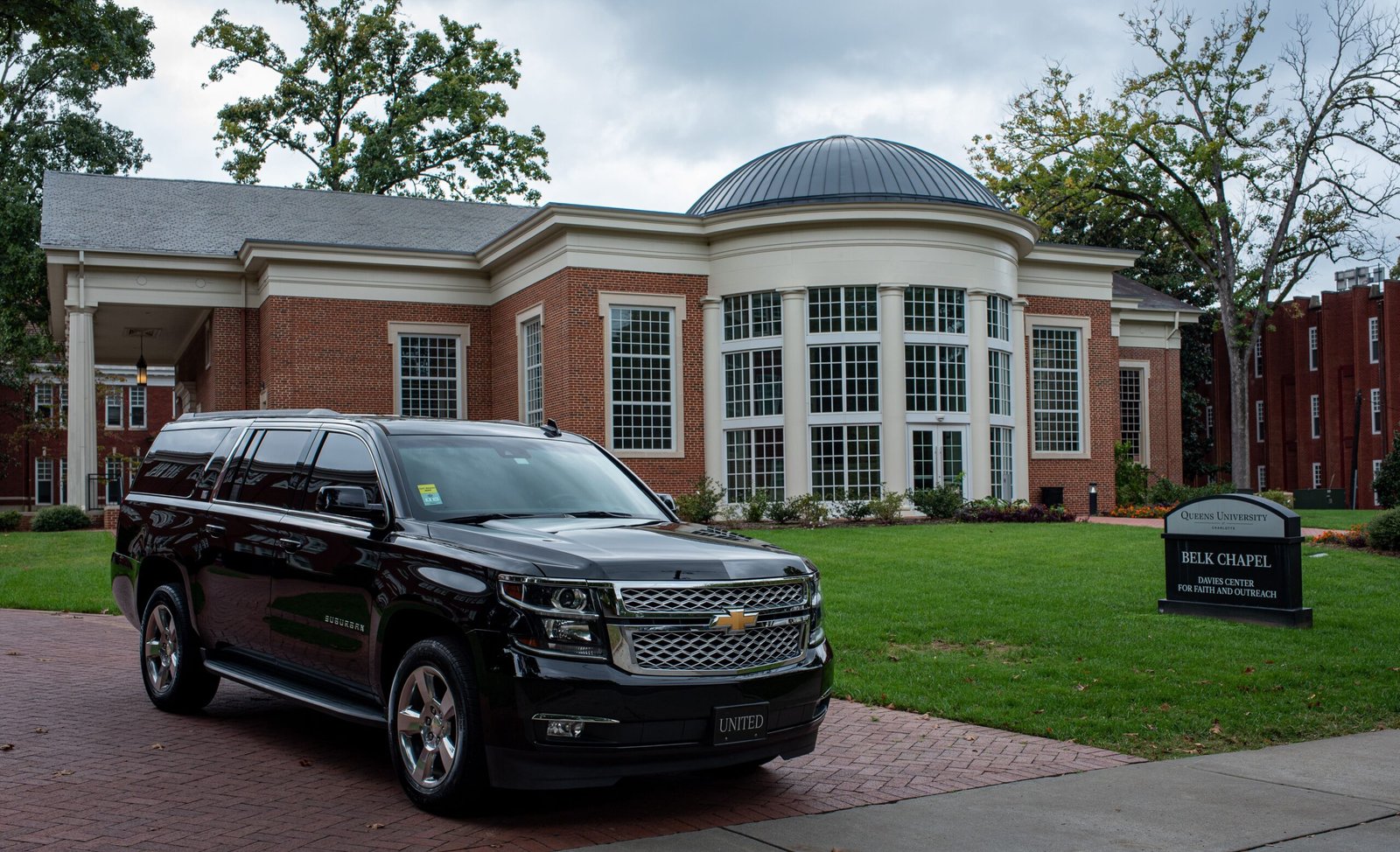
The Chevy Traverse 2025 is a midsize three-row SUV designed for families, road-trip enthusiasts, and drivers who need generous passenger space without sacrificing modern technology. With its bold exterior styling, spacious cabin, turbocharged engine, and practical storage solutions, the Chevrolet Traverse offers a compelling combination of comfort, capability, and everyday usability. The 2025 model continues the fourth-generation Traverse design introduced for the 2024 model year, bringing a more rugged appearance and a technology-focused interior to the competitive midsize SUV segment.
For buyers comparing family vehicles, the 2025 Chevrolet Traverse deserves attention because it combines three-row seating with a powerful standard engine, a large infotainment display, and a range of driver-assistance features. Whether we are considering school runs, weekend adventures, long-distance travel, or daily commuting, this SUV aims to make every journey more convenient. Understanding its trims, performance, interior dimensions, safety technology, and available features helps us determine whether it is the right vehicle for our needs.
1. 2025 Chevy Traverse Overview: Design, Trims, and Key Features
The 2025 Chevy Traverse features a bold, squared-off design that gives it a more substantial presence on the road than earlier versions. Its wide front grille, distinctive lighting, sculpted bodywork, and upright proportions create a modern SUV appearance. Depending on the trim, exterior details range from practical family-oriented styling to sportier accents and more adventure-focused equipment.
Chevrolet offers several trims for the 2025 Traverse, including LT, Z71, RS, and High Country. Each version targets a slightly different type of buyer. The LT emphasizes everyday practicality and family comfort, while the Z71 is designed for drivers who want additional capability on rough roads. The RS adds sport-inspired styling and premium touches, whereas the High Country focuses on upscale design and additional convenience features.
The SUV’s overall design prioritizes usability. Wide doors help passengers enter and exit, while the tall roofline supports headroom across all three rows. The rear liftgate provides access to a substantial cargo area, making the Traverse suitable for groceries, sports equipment, luggage, and other everyday essentials.
As equipment varies by trim and package, we should review the specifications of the exact vehicle before purchasing. Available features, drivetrain configurations, seating materials, and convenience technologies may differ across models.
2. Engine, Performance, and Fuel Economy of the 2025 Chevrolet Traverse
Performance is one of the most important considerations when choosing a three-row family SUV, and the 2025 Chevrolet Traverse delivers 328 horsepower from its 2.5-liter turbocharged four-cylinder engine. The engine produces 326 lb-ft of torque in the U.S. specification and works with an eight-speed automatic transmission. This combination provides the power needed for highway merging, passing slower traffic, and carrying passengers with luggage.
Unlike some competitors that offer several engine options, Chevrolet keeps the Traverse powertrain lineup relatively straightforward. The turbocharged engine delivers strong output without requiring a larger V6 engine, while the automatic transmission is designed to provide smooth power delivery in everyday driving. Actual performance and fuel consumption depend on driving habits, road conditions, vehicle load, and drivetrain configuration.
Front-wheel drive (FWD) is available on selected trims, while all-wheel drive (AWD) is available on several versions. The Z71 comes with a more specialized twin-clutch AWD system designed to improve traction on uneven surfaces. For drivers who regularly encounter rain, gravel roads, or challenging outdoor routes, the Z71’s drivetrain and additional hardware can offer advantages over a standard family-focused configuration.
The Traverse also supports towing when properly equipped. Chevrolet lists a maximum towing capacity of up to 5,000 pounds with the appropriate trailering equipment. This capability can be useful for small recreational trailers, selected boats, and other compatible loads. Before towing, we should verify the vehicle’s specific equipment, trailer weight, payload limits, and the instructions in the owner’s manual.
Fuel economy should be evaluated alongside power and vehicle size. The Traverse is a substantial three-row SUV, so its fuel consumption will generally be higher than that of a smaller crossover. Buyers should compare the official fuel-economy figures for the precise model and drivetrain they intend to purchase rather than assuming every trim delivers identical results.
3. Interior Comfort, Seating Capacity, and Cargo Space
One of the strongest reasons to consider the 2025 Chevy Traverse is its spacious interior. The three-row cabin is designed to accommodate growing families, carpooling, and extended journeys. Depending on the seating configuration, the SUV can accommodate up to eight passengers. Certain configurations use second-row captain’s chairs, which provide a more open passage to the third row but reduce total seating capacity.
The first row provides a commanding driving position and practical access to the dashboard controls. The second row is designed to accommodate adults or children, while the third row adds flexibility for larger families. As with most three-row SUVs, passenger comfort in the rearmost seats can vary depending on occupant height and the position of the second row. We recommend testing all three rows before making a final decision.
Cargo flexibility is another major advantage. With the rear seats folded, the Traverse offers up to 97.6 cubic feet of maximum cargo space in the U.S. specification. This makes it useful for transporting bulky purchases, luggage, camping supplies, and sports equipment. Actual space behind the third row is more limited when all seats are occupied, so families who frequently travel with seven or eight passengers should assess how much luggage they typically carry.
Interior materials and comfort equipment vary by trim. The LT focuses on practical everyday use, while higher trims offer additional upscale touches and convenience options. Depending on the configuration, available equipment may include heated front seats, a power liftgate, wireless phone charging, and upgraded upholstery.
For families, the value of this interior extends beyond its dimensions. Storage compartments, flexible seating arrangements, and convenient access to the rear seats can make routine activities easier. Whether we are packing for a holiday, transporting children to school, or organizing equipment for a weekend outing, the Traverse is built around passenger and cargo versatility.
4. Technology, Infotainment, and Connectivity Features
The 2025 Traverse features a modern dashboard centered on a 17.7-inch diagonal infotainment touchscreen and an 11-inch driver information display. The large central screen gives the cabin a contemporary appearance and provides a convenient interface for navigation, audio, vehicle settings, and compatible smartphone features.
Google built-in compatibility provides access to supported Google services and voice-assisted functions, depending on equipment and service availability. Apple CarPlay and Android Auto compatibility can help drivers connect compatible smartphones for music, calls, messaging, and navigation. Wireless phone charging is also available on specified configurations, reducing the need for charging cables during everyday journeys.
Connected services through OnStar and the myChevrolet app can add convenience through supported remote commands, vehicle information, and other connected features. Subscription requirements and the availability of individual services may vary, so buyers should check the terms associated with their vehicle.
The large display is especially useful for drivers who regularly depend on navigation or need clear access to vehicle information. Nevertheless, we should configure navigation and entertainment before driving and avoid interacting with distracting menus while the vehicle is moving.
Higher trims and selected packages may offer additional premium technology, including enhanced driver assistance features. Because equipment can vary by market, production date, and installed packages, it is important to confirm the precise features of any vehicle advertised for sale.
5. Safety Features and Driver-Assistance Technology
Safety is an essential consideration for families shopping for a midsize SUV, and the 2025 Chevrolet Traverse includes a range of standard and available driver-assistance features designed to help drivers remain aware of their surroundings. These technologies can provide alerts, assist with braking, and help reduce certain driving risks, although they do not replace attentive driving.
Chevrolet’s safety and assistance equipment includes features such as Automatic Emergency Braking, Forward Collision Alert, Lane Keep Assist with Lane Departure Warning, and Front Pedestrian and Bicyclist Braking. Depending on the configuration and package, the vehicle can also offer Blind Zone Steering Assist, Rear Cross Traffic Braking, and additional braking assistance systems.
The available HD Surround Vision system can help drivers monitor the area around the SUV when maneuvering in tight spaces. Parking assistance features are particularly useful in crowded shopping centers, residential driveways, and parking garages, where the Traverse’s larger dimensions can require additional attention.
Adaptive Cruise Control is available on specified configurations and can help maintain a selected following distance from a vehicle ahead. Certain higher-level packages may provide more advanced driver-assistance technology, depending on the model and market.
Families should remember that safety equipment differs between trims and optional packages. We should check the original window sticker and vehicle specifications to confirm which systems are installed. Cameras, sensors, and automated assistance features may also be affected by poor weather, dirt, road markings, and other environmental conditions. Drivers remain responsible for steering, braking, and monitoring traffic at all times.
6. 2025 Chevy Traverse Trims, Pricing, and Best Value
Choosing the right trim is an important part of buying the 2025 Chevy Traverse because each version emphasizes different priorities. The four principal trims offer a range of practical, adventure-oriented, and premium configurations.
| Trim | Main appeal | Best suited for |
|---|---|---|
| LT | Practical features and family versatility | Everyday family use |
| Z71 | Specialized AWD, lifted suspension, and off-road-oriented equipment | Outdoor adventures |
| RS | Sport-inspired styling and premium features | Buyers who prefer a sporty appearance |
| High Country | Upscale styling and additional convenience equipment | Buyers seeking a more premium experience |
The LT is a sensible starting point for buyers who prioritize passenger space, technology, and everyday practicality. It provides the core Traverse experience without requiring the additional equipment associated with the more expensive trims.
The Z71 is particularly attractive to drivers who want to travel beyond paved roads occasionally. Its twin-clutch AWD system, lifted suspension, hill descent control, skid plate, and all-terrain tires distinguish it from the standard family-oriented versions. However, this equipment does not make the Traverse a substitute for a specialized off-road vehicle in extreme terrain.
The RS focuses on sportier design, while the High Country appeals to buyers interested in a more upscale appearance and additional comfort-oriented features. The exact equipment depends on the selected package and market.
For U.S. buyers, published starting MSRP figures for the 2025 model year began at approximately $40,700 before destination charges for the LT, with higher trims priced accordingly. Actual transaction prices depend on the drivetrain, options, dealer pricing, taxes, fees, and regional availability.
When comparing prices, we should consider the total cost of ownership rather than the purchase price alone. Insurance, fuel, maintenance, tires, financing, and depreciation can all affect long-term expenses. Used 2025 Traverse models should also be evaluated according to mileage, accident history, service records, remaining warranty coverage, and overall condition.
7. Is the 2025 Chevrolet Traverse Worth Buying?
The 2025 Chevy Traverse is a strong option for buyers who need a spacious three-row SUV with substantial power, flexible seating, and modern technology. Its 328-horsepower turbocharged engine, large infotainment display, generous maximum cargo capacity, and available all-wheel drive make it suitable for a wide range of family and recreational needs.
Its biggest strengths are practicality and versatility. Families can use the cabin for everyday commuting, school transportation, shopping, and longer holidays. Drivers who regularly tow compatible recreational equipment can benefit from its available trailering capability, while the Z71 provides additional equipment for rougher routes and outdoor trips.
Before purchasing, we recommend taking a test drive with the entire family if possible. Check access to the third row, comfort with all seats occupied, visibility, infotainment usability, and cargo room with the seats in your preferred arrangement. Confirm the exact trim, drivetrain, safety equipment, warranty, and any available service history.
Overall, the 2025 Chevrolet Traverse is worth considering for families seeking a capable, roomy, technology-focused SUV. The LT is a practical starting point for many households, the Z71 is appealing for outdoor use, and the RS and High Country offer alternatives for buyers who place greater emphasis on styling and premium equipment.
Frequently Asked Questions About the 2025 Chevy Traverse
How much horsepower does the 2025 Chevy Traverse have?
The 2025 Chevrolet Traverse produces 328 horsepower and 326 lb-ft of torque from its 2.5-liter turbocharged four-cylinder engine in the U.S. specification. An eight-speed automatic transmission is standard.
How many people can the 2025 Chevy Traverse seat?
The Traverse can seat up to eight passengers, depending on the seating configuration. Models equipped with second-row captain’s chairs generally accommodate seven passengers.
Does the 2025 Chevy Traverse offer all-wheel drive?
Yes. All-wheel drive is available on selected trims, while the Z71 includes a specialized twin-clutch AWD system designed to improve traction on challenging surfaces.
How much cargo space does the 2025 Chevy Traverse have?
The U.S.-specification model offers up to 97.6 cubic feet of maximum cargo capacity when the appropriate rear seats are folded. The space available with all three rows in use is smaller.
What is the towing capacity of the 2025 Chevy Traverse?
The Traverse can tow up to 5,000 pounds when properly equipped with the appropriate trailering equipment. The actual permitted load depends on vehicle configuration, passengers, cargo, and trailer specifications.
Which 2025 Chevy Traverse trim is best?
The best trim depends on individual priorities. The LT suits buyers seeking everyday practicality, the Z71 is designed for additional traction and outdoor capability, the RS emphasizes sporty styling, and the High Country targets buyers seeking a more upscale configuration.
Is the 2025 Chevrolet Traverse a good family SUV?
Yes, it is a compelling family SUV thanks to its three-row seating, flexible cargo area, strong engine, large touchscreen, and available driver-assistance features. Families should test all three rows and verify the equipment of the specific vehicle before buying.
Final Verdict:
The Chevy Traverse 2025 combines family-friendly space, confident turbocharged performance, contemporary technology, and versatile trim options in one midsize SUV. For buyers who need room for passengers and luggage without moving to a larger full-size vehicle, it deserves a place on the shortlist. Choosing the right trim and confirming the exact specifications will help ensure that the Traverse meets both present-day needs and long-term expectations.


 Lifestyle5 months ago
Daily Living Tools That Make Life Easier for Seniors
- Celebrity5 months ago
Edith Sarfati: A Closer Look at Her Life, Career, Family, and Lasting Legacy
- Business4 months ago
TravelTweaks Offers 2026 | Complete Guide to Travel Deals, Discounts & Smart Travel Planning
- Blog5 months ago
RTI Scheduler: The Complete Guide to Flexible Student Scheduling in Modern Schools
- Tech4 months ago
How to Use 1.5f8-p1uzt in 2026: A Complete Guide to Understanding and Working with This Identifier
- Tech4 months ago
www. #TurboGeek.org Guide 2026 | Technology News, Gaming, Software & Tech Resources
- Business4 months ago
Latest News MyGreenBucksNet (2026): Complete Guide to Platform Updates, Features, Earnings, and User Experience
- Tech4 months ago
Simpcit6 Guide 2026 | Features, Benefits, Digital Platform & Online Insights