Entertainment
Mrs PacMan Video: Complete Guide to the Classic Arcade Game in 2026

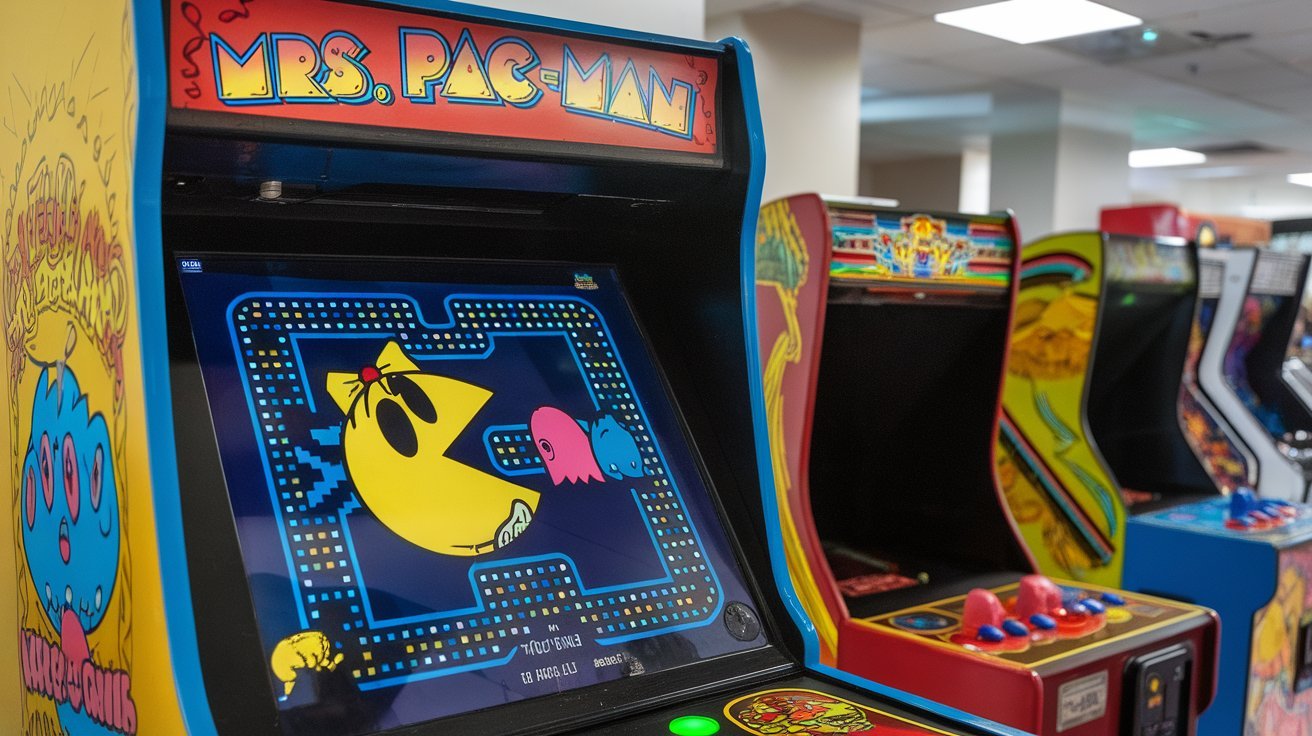
Mrs PacMan video searches continue to attract retro-gaming fans who want to watch gameplay, learn classic strategies, revisit arcade history, or understand why this maze game remains popular decades after its original release. Mrs PacMan is one of the best-known games connected to the Pac-Man franchise, combining simple controls with increasingly challenging maze navigation.
Originally released for arcades in 1982, Mrs PacMan was developed by General Computer Corporation (GCC) and published by Midway. The game expanded on the familiar Pac-Man formula with multiple maze layouts, moving bonus fruit, and less predictable ghost behavior. The official PAC-MAN history identifies Ms. PAC-MAN as a U.S.-born game featuring a female Pac-Man character with a ribbon and additional maze features.
For anyone searching for Ms. Pac-Man video gameplay in 2026, the classic game remains an excellent example of how straightforward mechanics can produce deep arcade strategy.
What Is Mrs PacMan?
Mrs PacMan is a maze-based arcade video game and a follow-up to the original Pac-Man. The basic objective is familiar: control Mrs PacMan through a maze, consume the dots, collect bonus items, and avoid the ghosts.
The character is visually distinguished by her bow and lipstick, while the gameplay retains the core maze-chase concept. Unlike the original Pac-Man, however, Mrs PacMan introduced several important changes that made each round less predictable.
Players navigate using a four-direction joystick, moving horizontally and vertically through the maze. The four familiar ghosts—Blinky, Pinky, Inky, and Sue—attempt to catch the player.
Large Power Pellets temporarily change the situation. After eating one, Ms. Pac-Man can chase and consume vulnerable ghosts for additional points.
The result is a game that looks simple but requires quick decisions, route planning, timing, and awareness.
Why Ms. Pac-Man Videos Remain Popular
A Ms. Pac-Man video can serve several purposes. Some viewers simply want to experience the nostalgia of classic arcade gaming, while others watch high-level gameplay to study movement and scoring strategies.
The game’s historical importance also contributes to its continuing appeal. The official PAC-MAN history describes Ms. PAC-MAN as a major U.S. hit following its 1982 release.
Unlike many modern games with complicated controls, Ms. Pac-Man can be understood almost immediately. A new player can watch a gameplay video and quickly recognize the objective:
- Eat the maze’s dots.
- Avoid ghosts.
- Use Power Pellets strategically.
- Collect moving bonus fruit.
- Clear the maze.
- Continue to higher and more difficult rounds.
That accessibility makes Ms. Pac-Man gameplay videos useful for both beginners and experienced retro players.
Mrs PacMan Gameplay and Maze Design
One of the biggest differences between Mrs PacMan and the original Pac-Man is its variety of maze layouts.
The arcade game uses four different maze designs that alternate as the player progresses. The changing layouts prevent the experience from becoming completely repetitive.
The mazes also contain warp tunnels, allowing Ms. Pac-Man to travel from one side of the screen to the other. Knowing when to use these tunnels can be essential when ghosts are approaching.
Another major gameplay change involves the bonus fruit. Rather than simply appearing in a fixed location, bonus objects move through the maze, requiring players to react quickly if they want to collect them.
A good gameplay video therefore shows more than simply moving around the maze. It demonstrates how experienced players balance dot collection, ghost avoidance, Power Pellets, tunnels, and bonus items.
Ghosts, Power Pellets, and Scoring Strategy
The ghosts are the central source of danger in Mrs PacMan. Their movement forces players to constantly make decisions about direction and timing.
The four ghosts have different movement behaviors, and their patterns are less straightforward than those found in the original Pac-Man. This was one of the changes that made Ms. Pac-Man more difficult to approach through memorized routes alone.
Power Pellets provide an important defensive and scoring opportunity. When Ms. Pac-Man eats one, the ghosts become vulnerable for a limited period. Instead of running away, the player can chase them and earn additional points.
However, using a Power Pellet effectively requires timing. A player who immediately consumes it without positioning the ghosts correctly may miss an opportunity to collect multiple ghost bonuses.
When watching an Mrs PacMan video, pay attention to how experienced players position themselves before activating a Power Pellet. Their objective is often not merely survival but maximizing the number of useful scoring opportunities.
Mrs PacMan Bonus Scenes and Characters
Another memorable feature of Ms. Pac-Man is its intermission animation.
The arcade version includes short scenes that tell a simple story involving Pac-Man and Ms. Pac-Man. The documented sequences include their meeting, a playful chase, and the arrival of a baby Pac. These scenes appear after specific rounds and became a recognizable part of the game’s personality.
These animations were significant because they gave the arcade game more character than simply moving from one maze to another.
For modern viewers searching for Mrs PacMan video clips, the intermissions can be just as nostalgic as the gameplay itself.
They also demonstrate how early arcade games could use very limited animation to create a sense of story without lengthy dialogue or cinematic sequences.
How to Find and Watch Mrs PacMan Videos in 2026
People searching for Mrs PacMan videos today can encounter several different types of content. These may include original arcade gameplay, long-play recordings, high-score attempts, strategy demonstrations, speed-oriented play, historical documentaries, and comparisons with the original Pac-Man.
When choosing a video, consider what you want to learn.
For nostalgia, an original arcade recording provides the classic experience.
For strategy, look for gameplay that clearly shows maze movement, ghost avoidance, Power Pellet timing, and bonus-fruit collection.
For history, look for material that explains the game’s 1982 arcade release and its relationship to Pac-Man.
The broader PAC-MAN franchise also remains active across modern platforms. Bandai Namco’s current catalog includes titles such as PAC-MAN MUSEUM+, PAC-MAN Mega Tunnel Battle: Chomp Champs, and PAC-MAN WORLD 2 Re-PAC, demonstrating that the franchise continues beyond its original arcade era.
Mrs PacMan vs. Original Pac-Man
Although Mrs PacMan is based on the original Pac-Man formula, the games are not identical.
| Feature | Pac-Man | Mrs PacMan |
|---|---|---|
| Original arcade era | 1980 | 1982 |
| Main character | Pac-Man | Mrs PacMan |
| Maze variety | More standardized | Multiple layouts |
| Bonus items | Fruit | Moving bonus items |
| Ghost behavior | Pattern-oriented | Less predictable |
| Warp tunnels | Yes | Two tunnels in the maze designs |
| Intermissions | Limited original format | Story-focused scenes |
The official PAC-MAN history specifically notes that Mrs PacMan retained the basic PAC-MAN system while adding an alternating maze design and two warp tunnels.
These differences explain why a player familiar with Pac-Man cannot simply assume that exactly the same strategies will work in Mrs PacMan.
Why Mrs PacMan Still Matters in 2026
More than four decades after its arcade debut, Mrs PacMan video remains an important example of classic video-game design. Its controls are easy to understand, but its combination of maze layouts, ghost behavior, moving bonus items, and increasingly difficult rounds creates considerable depth.
The game’s importance also exists within the larger Pac-Man legacy. Bandai Namco describes PAC-MAN as a globally recognized video-game character whose popularity extended from arcades into broader entertainment and continues across different gaming platforms.
For today’s players, an Mrs PacMan video can therefore be more than a nostalgic recording. It can be a practical lesson in classic arcade strategy, reaction time, route planning, risk management, and game design.
Whether you are discovering the game for the first time or returning to it after many years, the combination of simple controls and challenging gameplay explains why Mrs PacMan continues to attract retro-gaming audiences in 2026.
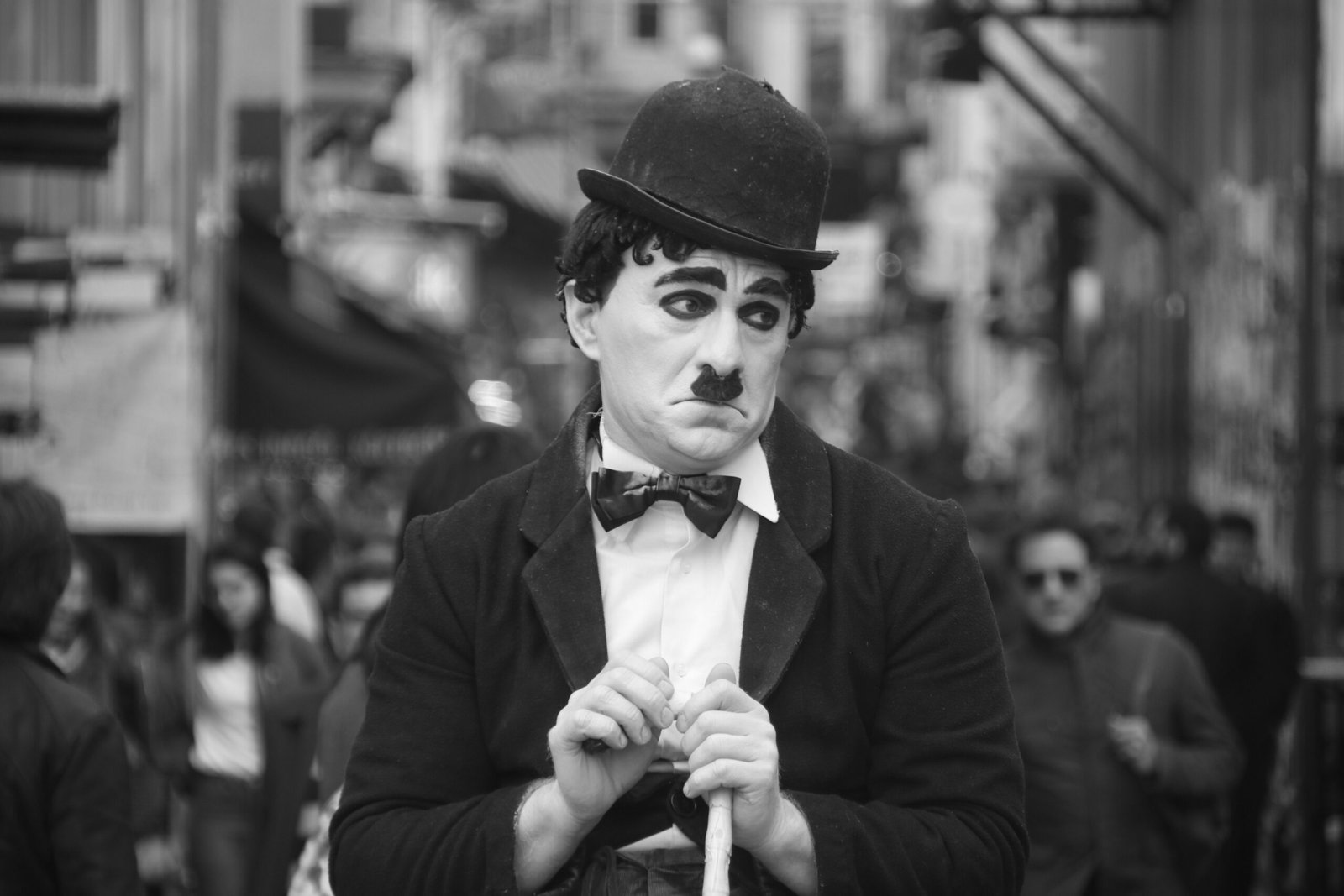
Charlie Chaplin was one of the most influential entertainers in the history of cinema. Best known for his iconic Little Tramp character, Chaplin transformed silent-film comedy into an art form that could make audiences laugh, feel sympathy, and reflect on the struggles of everyday life. Through expressive gestures, carefully timed physical comedy, and unforgettable storytelling, he became an international film star whose work continues to attract audiences decades after his death.
Born Charles Spencer Chaplin on April 16, 1889, in London, England, he rose from a difficult childhood to become an actor, filmmaker, screenwriter, producer, composer, and director. His career spanned more than five decades, producing classics such as The Kid, The Gold Rush, City Lights, Modern Times, and The Great Dictator.
In 2026, Charlie Chaplin remains an important figure in film history because his work combined entertainment with social commentary. His films explored poverty, industrialization, inequality, loneliness, political intolerance, and the resilience of ordinary people. Understanding his life and career offers insight into the development of modern cinema and the enduring power of visual storytelling.
1. Charlie Chaplin’s Early Life and Difficult Childhood
Charlie Chaplin was born into a theatrical family in Victorian London. His parents, Charles Chaplin Sr. and Hannah Chaplin, worked as entertainers, giving him early exposure to music, performance, and the stage. However, his childhood was marked by financial hardship and family instability rather than the glamour associated with his later fame.
His father died when Chaplin was young, while his mother experienced serious health and financial difficulties. Chaplin and his older half-brother, Sydney, faced periods of separation from their family and spent time in institutions for poor children. These experiences exposed Chaplin to the insecurity and hardship faced by working-class families in London.
Despite these challenges, Chaplin discovered opportunities in performance. He joined the children’s dance troupe The Eight Lancashire Lads, where he developed his movement, rhythm, and stage presence. His ability to communicate through physical expression became a valuable foundation for his later screen career.
As a young performer, Chaplin also appeared in theatrical productions, including stage performances associated with Sherlock Holmes. He subsequently joined the Fred Karno comedy company, gaining experience in pantomime, comic timing, and physical performance.
In 1910, Chaplin traveled to the United States with the Karno troupe. American audiences responded positively to his comedy, and his growing reputation opened the door to motion pictures. His early struggles ultimately influenced the sympathetic characters and social themes that would become central to his filmmaking.
2. The Little Tramp: Charlie Chaplin’s Most Famous Character
The Little Tramp is the character most closely associated with Charlie Chaplin and remains one of the most recognizable figures in film history. He typically wore a small bowler hat, an oversized coat, baggy trousers, large shoes, and carried a thin cane. His distinctive toothbrush moustache and awkward, pigeon-toed walk completed the appearance.
Chaplin first presented the Tramp costume in the 1914 film Kid Auto Races at Venice. The character combined the manners of a gentleman with the appearance and circumstances of a poor wanderer. Although he often struggled to find food, money, shelter, or acceptance, he maintained a sense of dignity and independence.
What made the Tramp special was Chaplin’s ability to combine slapstick comedy with genuine emotion. A simple fall, a misunderstood gesture, or a failed attempt to impress another character could make audiences laugh, while the Tramp’s loneliness and generosity could make the same audiences feel sympathy for him.
The character also allowed Chaplin to explore social differences without relying on lengthy dialogue. His films frequently placed the Tramp in situations where wealthy characters enjoyed privilege while poor people faced humiliation and uncertainty. By making the underdog resourceful and compassionate, Chaplin encouraged viewers to question conventional ideas about success and social status.
The Little Tramp became an international symbol of resilience, humor, and humanity. His popularity demonstrated that visual storytelling could cross language barriers and connect with audiences from different cultures.
3. Charlie Chaplin’s Best Movies and Greatest Achievements
Chaplin’s filmography includes numerous influential productions that helped shape the development of comedy and feature filmmaking. Several of his most celebrated films remain essential viewing for anyone interested in cinema history.

This feature combines comedy and emotional storytelling as the Tramp cares for an abandoned child played by Jackie Coogan. The film helped demonstrate that silent cinema could tell complex stories about poverty, affection, and family.
Set against the hardships of the Klondike gold rush, this film turns hunger, isolation, and survival into memorable comedy. Its famous dinner-roll dance remains one of Chaplin’s best-known comic sequences.
The Tramp develops a relationship with a blind flower seller and tries to help her improve her life. Released after talking films had become popular, the movie demonstrated Chaplin’s continued mastery of silent storytelling.
Chaplin portrays a factory worker struggling with repetitive industrial labor and economic hardship. The film uses physical comedy to explore the effects of mechanization and unemployment on ordinary people.
Chaplin satirizes fascism and authoritarian leadership by playing both a ruthless dictator and a Jewish barber. The film marked a major step toward spoken dialogue in his work and remains an important example of political satire.
These movies illustrate Chaplin’s versatility as an entertainer and filmmaker. He did not simply perform comedy; he shaped stories, directed scenes, developed characters, and composed music for many of his productions. His control over the filmmaking process helped him maintain a distinctive artistic style.
4. Charlie Chaplin’s Career, Awards, and Contributions to Cinema
Chaplin joined Keystone Studios in 1914 and quickly attracted attention for his comic performances. He later worked with Essanay and Mutual before becoming increasingly independent as a filmmaker. In 1919, he joined Mary Pickford, Douglas Fairbanks, and D. W. Griffith in founding United Artists, a company designed to give filmmakers greater control over the production and distribution of their work.
His achievements extended well beyond acting. Chaplin wrote scripts, directed films, produced his own projects, edited footage, and composed music. This combination of responsibilities allowed him to refine individual scenes and create a consistent relationship between visual comedy, dramatic storytelling, and musical accompaniment.
At the first Academy Awards ceremony in 1929, Chaplin received a special honorary award recognizing his contributions to motion pictures through The Circus and his broader achievements. He later received another honorary Academy Award in 1972, when his return to Hollywood was greeted with a lengthy standing ovation. In 1975, Queen Elizabeth II knighted him, giving him the title Sir Charles Chaplin.
His career helped establish the filmmaker as a creative force rather than merely a performer working under a studio’s direction. Chaplin’s independence influenced generations of actors, directors, and comedians who sought greater control over their own work.
5. Charlie Chaplin’s Personal Life, Political Controversies, and Later Years
Chaplin’s personal life was considerably more complicated than the charming characters he portrayed on screen. He married several times, and his relationships attracted extensive public attention. His final marriage was to Oona O’Neill, whom he married in 1943. They had eight children together and spent their later years in Switzerland.
During the 1940s and early 1950s, Chaplin faced growing political controversy in the United States. His left-leaning political views, public statements, and personal scandals contributed to a decline in his popularity among some American audiences. In 1952, after traveling to Europe for the premiere of Limelight, he learned that his permission to re-enter the United States had been revoked.
Chaplin subsequently settled in Switzerland, where he continued writing, composing, and working on films. His later productions included A King in New York (1957) and A Countess from Hong Kong (1967). The latter, starring Sophia Loren and Marlon Brando, was his final feature film as a director.
Chaplin died on December 25, 1977, at his home in Corsier-sur-Vevey, Switzerland, aged 88. Although his life included controversy and professional setbacks, his contributions to cinema remained influential.
6. Charlie Chaplin’s Legacy and Influence in 2026
In 2026, Charlie Chaplin’s films continue to demonstrate the enduring value of visual storytelling. His work influenced comedians, filmmakers, animators, and performers who recognized the expressive possibilities of physical movement, timing, facial expressions, and carefully constructed scenes.
His legacy also survives through film restorations, archival collections, screenings, biographies, and educational resources. The official Charlie Chaplin website provides information about his life and films, while the Charlie Chaplin Archive preserves photographs, scripts, correspondence, and other historical materials.
Chaplin’s stories remain relevant because they address recognizable human experiences. Economic insecurity, workplace pressure, social inequality, loneliness, and the desire for dignity are not limited to the era in which his films were produced. His ability to explore these issues through humor makes his work accessible to new generations.
7. Frequently Asked Questions About Charlie Chaplin
When was Charlie Chaplin born?
Charlie Chaplin was born on April 16, 1889, in London, England.
What was Charlie Chaplin famous for?
He was famous for acting, directing, writing, and producing films, particularly silent-film comedies featuring his iconic Little Tramp character.
What was Charlie Chaplin’s most famous movie?
Popular choices include The Kid, The Gold Rush, City Lights, Modern Times, and The Great Dictator. Which is considered his greatest film depends on personal preference and critical interpretation.
Did Charlie Chaplin win an Oscar?
Yes. He received honorary Academy Awards in 1929 and 1972 for his contributions to cinema.
How old was Charlie Chaplin when he died?
Chaplin was 88 years old when he died on December 25, 1977.
Why did Charlie Chaplin leave the United States?
Political controversy and the revocation of his re-entry permission in 1952 prevented him from returning under the conditions he had previously enjoyed. He settled in Switzerland with his family.
Conclusion
Charlie Chaplin remains one of the most influential figures in film history. From his difficult childhood in London to his rise as an international star, his life demonstrates how creativity and determination can transform hardship into artistic achievement.
Through the Little Tramp and films such as City Lights, Modern Times, and The Great Dictator, Chaplin combined comedy with compassion and social criticism. His achievements as an actor, director, writer, producer, and composer helped establish new possibilities for filmmaking.
More than four decades after his death, his performances continue to entertain audiences while encouraging them to think about dignity, inequality, and the human condition. Charlie Chaplin’s enduring legacy lies not only in the laughter he created but also in the humanity he brought to the screen.

Happy Death Day 2U is a 2019 science-fiction horror comedy that combines time-loop storytelling, suspense, dark humor, and emotional drama. Directed by Christopher Landon, the film serves as the sequel to Happy Death Day (2017) and continues the story of Tree Gelbman, a college student trapped in a mysterious cycle involving repeated deaths and resets.
While the first movie focuses on identifying a masked killer, the sequel expands the concept by introducing a scientific explanation for the time loop. Tree must confront a new series of challenges as the events around her become increasingly complicated. The result is a movie that blends familiar slasher elements with science-fiction concepts, relationship drama, and questions about identity and alternate realities.
For viewers searching for Happy Death Day 2U, this guide explores the movie’s story, cast, characters, ending, critical reception, and place in the horror-comedy genre.
What Is Happy Death Day 2U About?
Happy Death Day 2U was released in 2019 as the follow-up to the original film. Christopher Landon returned as director and screenwriter, continuing the story of Tree Gelbman and the unusual phenomenon that repeatedly places her life in danger.
The story begins after the events of the first movie, when Ryan Phan, a student and roommate of Carter Davis, experiences a strange time loop of his own. His scientific experiment appears to have triggered an event that can reset time, creating a series of increasingly dangerous situations.
Tree becomes involved when the phenomenon returns her to a familiar day. However, this time, the problem is more complicated than simply discovering the identity of a murderer. The altered timeline introduces different versions of people she knows and forces her to consider what her life might have been under different circumstances.
The sequel builds on the original movie’s combination of repeated deaths, mystery, humor, and suspense, while adding a stronger science-fiction component. Rather than simply repeating the original formula, it explores the consequences of changing timelines and the emotional cost of choosing between different versions of reality.
Happy Death Day 2U Cast and Main Characters
The movie features returning performers alongside characters whose roles become more important as the story develops.
- Jessica Rothe as Tree Gelbman: Tree remains the central character. Her experiences with the time loop have made her more resourceful, but the new events challenge her emotionally as well as physically.
- Israel Broussard as Carter Davis: Carter is Tree’s boyfriend and an important source of emotional support throughout the story.
- Phi Vu as Ryan Phan: Ryan’s scientific experiment plays a major role in the new time-loop crisis.
- Ruby Modine as Lori Spengler: Lori’s connection to the original mystery remains relevant to the sequel’s story.
- Rachel Matthews as Danielle Bouseman: Danielle returns as a prominent supporting character, contributing to the film’s humor and interpersonal conflicts.
- Suraj Sharma as Samar Ghosh: Samar is one of Ryan’s fellow students and participates in the scientific storyline.
- Sarah Yarkin as Dre Morgan: Dre is another member of Ryan’s circle and helps develop the film’s university setting.
Jessica Rothe’s performance is particularly important because she must portray different emotional responses as Tree encounters variations of familiar circumstances. Her comedic timing, physical performance, and ability to convey frustration and grief help maintain the film’s balance between horror and comedy.
Happy Death Day 2U Plot Explained: Time Loops and Alternate Realities
Spoiler warning: This section discusses important story developments and the movie’s ending.
At the center of Happy Death Day 2U is an experiment involving a machine designed to manipulate time. Ryan and his fellow students are investigating a device that can produce unexpected temporal effects. When the experiment goes wrong, Tree becomes trapped in a new version of the time loop.
The situation differs from the first movie because Tree is not simply trying to discover who is killing her. She also discovers that the altered timeline has changed aspects of her personal life.
In this alternate reality, Tree encounters different versions of people she knows. Some relationships have changed, and circumstances that once seemed familiar now carry different emotional meanings.
One of the sequel’s central conflicts involves Tree’s mother, who is alive in the alternate timeline. This creates a difficult choice because Tree must weigh the possibility of remaining in a reality where she can be reunited with her mother against returning to the life she previously knew.
Meanwhile, the time loop continues to create danger, and the characters must find a way to understand and control the scientific phenomenon.
The plot uses repetition as more than a source of suspense. Each reset gives Tree another opportunity to learn, make decisions, and understand what matters most to her. The film’s science-fiction premise therefore supports a broader emotional story about loss, attachment, and personal choice.
Happy Death Day 2U Ending Explained
The ending brings together the movie’s scientific mystery and Tree’s emotional journey.
Throughout the story, Tree struggles with the possibility of remaining in an alternate reality where her mother is alive. The choice is painful because returning to her original timeline means accepting the loss she has been trying to escape.
However, the film emphasizes that the presence of a more appealing alternative does not automatically make it the right place to remain. Tree must consider the people she cares about in both realities and recognize that her own experiences have shaped the person she has become.
The scientific team eventually works toward a solution to the time-loop problem. Their efforts allow the characters to escape the immediate crisis and move toward restoring stability.
By the conclusion, Tree has developed a clearer understanding of her priorities. Her decision reflects a movement away from trying to undo every painful experience and toward accepting the reality in which her relationships and personal growth have taken place.
The ending combines science-fiction resolution with emotional closure. Although the movie leaves room for viewers to consider the implications of its alternate realities, it provides a satisfying conclusion to Tree’s central conflict.
Happy Death Day 2U Review: Horror, Comedy, and Science Fiction
One of the sequel’s most distinctive features is its willingness to expand beyond traditional slasher conventions. The original movie relies heavily on mystery and repeated attempts to identify a killer. The sequel introduces more elaborate science-fiction ideas, making its narrative broader and, at times, more complicated.
The comedy remains an important part of the experience. Repeated deaths, exaggerated reactions, and the characters’ attempts to solve an increasingly bizarre problem create moments of dark humor. At the same time, the movie gives Tree more emotional depth by exploring her grief and uncertainty.
Jessica Rothe anchors the film, bringing energy to both its comedic sequences and its more serious scenes. Christopher Landon’s direction maintains a fast pace while connecting the time-loop concept to the characters’ relationships.
However, viewers who prefer straightforward horror may find the sequel less focused on conventional scares than its predecessor. Its scientific explanations and alternate-timeline plot receive considerable attention, shifting the emphasis from a simple murder mystery to a combination of genres.
Overall, Happy Death Day 2U is particularly appealing to audiences who enjoy horror comedies, time-loop narratives, and stories in which supernatural or scientific events force characters to reconsider their lives.
Happy Death Day 2U Release Date, Runtime, and Where to Watch
Happy Death Day 2U premiered in the United States on February 13, 2019. Universal Pictures distributed the film, which has a runtime of approximately 100 minutes.
The movie is rated PG-13 in the United States for violence, horror-related content, language, and suggestive material. Its mix of frightening scenes and humor makes it more accessible to some viewers than many R-rated slasher films, although individual sensitivity to horror should still be considered.
For viewers looking to watch the movie in 2026, availability depends on their country and the licensing arrangements of individual streaming platforms. The film may be offered through subscription streaming, digital rental, or digital purchase services, depending on the region and current distribution agreements.
To check current options, viewers can consult the film’s official studio information or search legitimate digital movie stores and streaming services available in their location. A listing on one platform does not guarantee that the movie is available in every country.
Will There Be a Happy Death Day 3?
The possibility of Happy Death Day 3 has attracted interest from fans who want to see Tree return for another adventure. Christopher Landon has discussed the idea of continuing the series, and the ending of Happy Death Day 2U leaves opportunities for further exploration of its scientific premise.
However, an announced concept or a filmmaker’s interest does not establish that a movie is officially in production or has a confirmed release date. Any claim about a third installment should therefore be checked against recent statements from the filmmakers, the studio, or reliable entertainment-industry reporting.
A potential sequel could explore the longer-term consequences of the time-loop experiments, develop the relationships between returning characters, or introduce a new mystery. The challenge would be finding a fresh direction while preserving the combination of suspense, humor, and emotional storytelling that defines the first two films.
Until an official release announcement confirms otherwise, viewers should treat speculation about the next installment as speculation rather than a guaranteed continuation.
Conclusion: Is Happy Death Day 2U Worth Watching?
Happy Death Day 2U builds on the original film by combining horror, comedy, science fiction, and an emotional story about grief and choice. Jessica Rothe’s performance gives Tree Gelbman a compelling character arc, while the time-loop premise provides opportunities for suspense, humor, and alternate-reality storytelling.
Although its greater emphasis on science fiction makes it different from the first movie, the sequel offers a distinctive continuation of Tree’s journey. Its central message concerns the difficulty of accepting loss, the importance of personal relationships, and the choices that define who we become.
For fans of time-loop movies, horror comedies, and stories with a mixture of mystery and heart, Happy Death Day 2U remains an entertaining option in 2026. It demonstrates how a familiar horror premise can evolve into a broader story about identity, family, and the possibility of choosing a different future.
Entertainment
Horror The Witch — A Complete Guide to Witch-Themed Horror, Dark Folklore, and Supernatural Fear (2026)
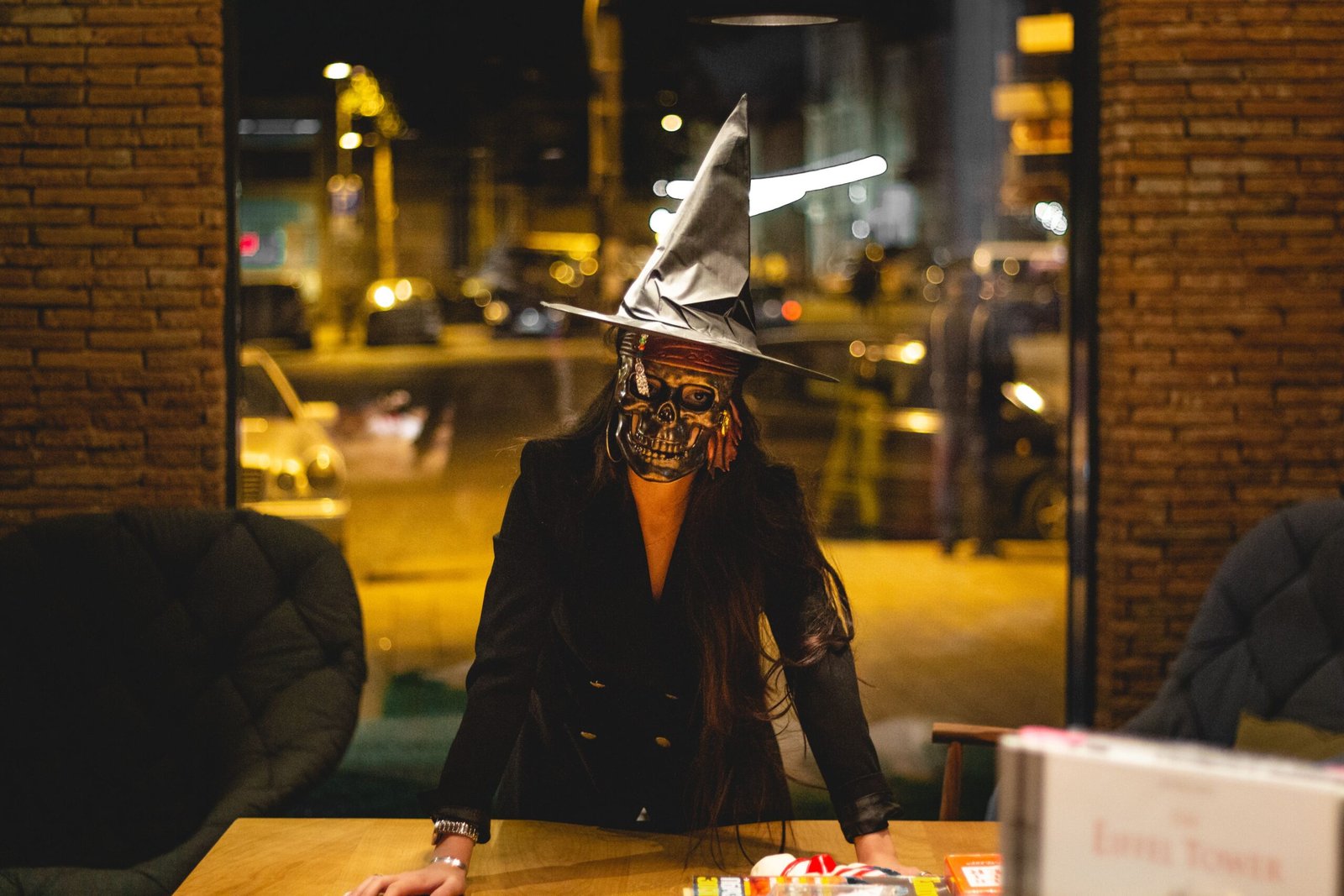
Witch-themed horror has remained one of the most fascinating areas of supernatural storytelling because it combines ancient folklore, psychological tension, mysterious rituals, and the fear of forces beyond human understanding. From terrifying legends about witches living on the edge of isolated villages to modern horror films featuring dark magic and unexplained events, the witch continues to represent a powerful symbol of fear in books, movies, television, and popular culture.
When audiences search for horror the witch, they may be looking for a particular horror movie, a frightening story about witchcraft, recommendations for supernatural films, or information about the history of witches in horror entertainment. Understanding this topic requires exploring both its traditional roots and its modern interpretations.
Witch horror is not limited to jump scares or frightening appearances. Its strongest stories often explore isolation, family conflict, religious anxiety, suspicion, temptation, and the consequences of forbidden knowledge. These themes allow filmmakers and writers to create disturbing experiences that remain memorable long after the story ends.
One especially influential example is The Witch, the 2015 supernatural horror film directed by Robert Eggers. Known for its historical atmosphere, slow-building dread, and unsettling portrayal of seventeenth-century New England, the film helped establish a distinctive approach to modern folk horror. By examining this movie alongside the broader tradition of witch-themed horror, we can better understand why the subject continues to attract audiences in 2026.
What Is Witch Horror? Understanding the Supernatural Genre
Horror The Witch is a branch of horror fiction that uses witches, witchcraft, curses, supernatural rituals, and occult mysteries to create fear and suspense. These stories can draw inspiration from folklore, historical beliefs, fantasy, religious traditions, or entirely fictional supernatural worlds.
Unlike horror that depends primarily on monsters or physical violence, witch horror often builds tension through uncertainty. Characters may hear unexplained noises, discover mysterious symbols, experience disturbing dreams, or suspect that someone close to them is hiding dangerous secrets. The audience gradually learns whether these events have a supernatural explanation, a psychological cause, or a combination of both.
Witches can appear in many different forms. Some stories portray them as terrifying supernatural beings who possess extraordinary powers, while others present them as outsiders feared by a suspicious community. Modern productions may also portray witches as complicated characters whose abilities are connected to identity, independence, revenge, or personal transformation.
Several characteristics commonly appear in witch-themed horror:
Dark folklore: Stories inspired by traditional legends and supernatural beliefs.
Occult mysteries: Strange rituals, forbidden knowledge, unexplained symbols, and mysterious practices.
Psychological suspense: Fear created by suspicion, uncertainty, and emotional pressure.
Isolation: Characters separated from society and deprived of help.
Supernatural danger: Curses, possessions, mysterious creatures, or unexplained events.
The combination of these elements allows witch horror to move beyond simple scares and explore deeper questions about human behavior, belief, and fear.
The Witch (2015): Plot, Cast, and Story Explained
When discussing horror movies about witches, The Witch (2015), also marketed as The VVitch: A New-England Folktale, deserves particular attention. Written and directed by Robert Eggers, the film is a historical supernatural horror story set in seventeenth-century New England. Its distinctive approach combines period details, religious fears, family conflict, and unsettling supernatural imagery.
The story follows William, his wife Katherine, and their children after their family is banished from a Puritan settlement. They establish a remote farm near a vast forest, hoping to survive through hard work and religious devotion. However, their isolated life becomes increasingly frightening after their infant son mysteriously disappears.
As further disturbing events unfold, the family begins to suspect that something evil is operating near their home. Their crops fail, tensions rise, and fear gradually destroys the trust between family members. Thomasin, the eldest daughter, becomes the focus of suspicion as the household struggles to explain what is happening.
The film stars Anya Taylor-Joy as Thomasin, alongside Ralph Ineson, Kate Dickie, Harvey Scrimshaw, Ellie Grainger, and Lucas Dawson. The performances emphasize emotional distress, rigid religious expectations, and the breakdown of family relationships.
Rather than immediately explaining every supernatural event, the film allows dread to develop through atmosphere, silence, and uncertainty. Its restrained storytelling makes the eventual revelations more disturbing.
For viewers interested in the film’s background and genre, the academic study The Witch’s Generic, Literary and Filmic Background discusses its relationship with folk horror and New England supernatural traditions.
Spoiler warning: The following sections discuss themes and storytelling techniques that may reveal aspects of the movie’s interpretation.
Why The Witch Is So Scary: Atmosphere, Sound, and Psychological Horror
One of the defining qualities of The Witch is its ability to create fear without depending on constant jump scares. The movie builds an atmosphere in which ordinary surroundings become threatening and familiar relationships become sources of anxiety.
Isolation and the Fear of the Unknown
The family’s remote farm is central to the film’s horror. Surrounded by wilderness and separated from the protection of their former community, the characters have limited access to help. The forest becomes a powerful symbol of everything they cannot control or understand.
This setting reflects a broader principle of folk horror: isolation can make characters vulnerable to unfamiliar customs, mysterious events, and their own fears. The landscape is not merely a backdrop; it shapes the decisions people make and intensifies their emotional distress.
Religious Beliefs and Family Conflict
The film explores how strict religious beliefs influence the family’s interpretation of frightening events. Rather than approaching every mystery rationally, the characters often understand suffering through the language of sin, punishment, temptation, and spiritual corruption.
These beliefs create dramatic tension because family members interpret the same events differently. Fear becomes suspicion, suspicion becomes accusation, and accusations gradually weaken the household.
Sound Design and Cinematography
The film’s unsettling soundscape, sparse music, muted colors, and carefully composed images contribute to its oppressive mood. Quiet moments often feel as threatening as scenes of direct danger because viewers are encouraged to anticipate something terrible.
The result is slow-burn horror: a style that prioritizes tension, atmosphere, and emotional unease over rapid action. This approach works especially well for audiences who appreciate films that invite interpretation and reward careful attention.
Best Witch Horror Movies to Watch After The Witch
If The Witch appeals to you, several other films explore related themes, including occult mysteries, rural superstition, psychological terror, and supernatural danger. We can organize these recommendations according to the kind of horror experience viewers prefer.
– The Blair Witch Project (1999): This influential found-footage horror film follows filmmakers investigating a local legend in the woods. Its documentary-like presentation, disorienting wilderness setting, and unseen threat make it a strong choice for viewers who enjoy ambiguity and psychological suspense.
– Suspiria (1977): Directed by Dario Argento, this Italian horror classic centers on a young dancer who discovers disturbing secrets at a prestigious dance academy. Its vivid visual style, sinister atmosphere, and supernatural themes offer a very different approach to witch-related horror.
– The Wicker Man (1973): This film follows a police officer investigating a disappearance on an isolated Scottish island. Its unsettling community, unusual religious practices, and growing sense of dread make it an important example of folk horror.
– The Love Witch (2016): Written and directed by Anna Biller, this stylized film follows a modern witch whose search for romantic fulfillment leads to disturbing consequences. Its vintage-inspired visuals and exploration of gender, desire, and identity distinguish it from darker historical horror.
These movies demonstrate that witch-themed and folk horror can take many forms. Some emphasize unseen supernatural threats, while others focus on dangerous communities, obsessive behavior, or characters who become trapped by their own desires. The British Film Institute’s introduction to folk horror provides additional context for understanding the genre’s development and its major cinematic examples.
The Meaning of Witches in Horror Films and Folklore
Witches have occupied an important place in storytelling for centuries. Traditional tales portray them in different ways, from mysterious healers and knowledgeable outsiders to dangerous figures associated with curses and supernatural powers. Horror films draw on these traditions but reshape them to reflect the fears and concerns of their audiences.
In many stories, the witch symbolizes the unknown. A character may be feared because they live outside established social structures, possess unfamiliar knowledge, or appear to challenge accepted rules. This makes witches particularly effective figures in narratives about communities facing uncertainty.
Witch-themed horror can also examine the consequences of prejudice. Historical accusations of witchcraft were frequently influenced by social conflict, religious tensions, and fear of people considered outsiders. Modern films can use these historical associations to explore how suspicion spreads and how vulnerable individuals become targets of collective anxiety.
It is important, however, to distinguish fictional depictions from real-world religious and cultural practices. Witchcraft in horror films is a storytelling device, and its portrayal should not be treated as evidence that supernatural events depicted on screen occur in reality.
Frequently Asked Questions About Horror The Witch
Is The Witch a good horror movie?
The Witch is a strong choice for viewers who enjoy atmospheric supernatural horror, historical settings, and psychological tension. Its slow pacing may not suit everyone, but its performances, cinematography, and unsettling storytelling make it a distinctive entry in modern horror cinema.
Is The Witch based on a true story?
The film is a fictional narrative inspired by historical Puritan beliefs, period folklore, and traditional ideas about witchcraft. Its seventeenth-century setting draws on historical context, but the specific characters and central events should not be treated as a documented true story.
Who directed The Witch?
Robert Eggers wrote and directed The Witch, which was released in 2015. The film helped establish his reputation for carefully researched historical horror and atmospheric storytelling.
What genre is The Witch?
The film is generally classified as supernatural horror, psychological horror, and folk horror. Its isolated rural setting, folklore-inspired elements, religious anxieties, and gradual buildup of dread connect it closely with the folk horror tradition.
What should we watch after The Witch?
We recommend The Blair Witch Project, The Wicker Man, Suspiria, and The Love Witch. Each offers a different interpretation of supernatural fear, folklore, or witch-related themes.
Conclusion: Why Witch Horror Remains Popular in 2026
Horror The Witch represents a broad and enduring area of horror entertainment, combining supernatural storytelling, ancient folklore, psychological suspense, and unsettling mysteries. For viewers specifically interested in The Witch (2015), the film offers a compelling example of how historical settings, family conflict, religious fears, and carefully controlled atmosphere can create lasting tension.
Beyond this particular movie, witch horror continues to evolve through films that explore isolation, social prejudice, dangerous secrets, and the boundaries between belief and reality. Whether audiences prefer slow-burn folk horror, found-footage scares, gothic imagery, or supernatural thrillers, the genre offers a wide range of experiences.
Ultimately, the strongest witch horror stories do more than introduce a frightening supernatural figure. They create an atmosphere of uncertainty, challenge characters’ beliefs, and reveal how fear can transform individuals and entire communities. That combination keeps witch-themed horror movies relevant to audiences who want stories that are as thought-provoking as they are frightening.

Charlie Chaplin: Biography, Famous Movies, Career, and Lasting Legacy in 2026

Argentina National Football Team in 2026: History, Players, World Cup Results, and Legacy

Happy Death Day 2U: Plot, Cast, Ending Explained, and Movie Review (2026 Guide)


 Lifestyle3 months ago
Daily Living Tools That Make Life Easier for Seniors
- Celebrity3 months ago
Edith Sarfati: A Closer Look at Her Life, Career, Family, and Lasting Legacy
- Business3 months ago
TravelTweaks Offers 2026 | Complete Guide to Travel Deals, Discounts & Smart Travel Planning
- Blog3 months ago
RTI Scheduler: The Complete Guide to Flexible Student Scheduling in Modern Schools
- Business3 months ago
Latest News MyGreenBucksNet (2026): Complete Guide to Platform Updates, Features, Earnings, and User Experience
- Tech3 months ago
How to Use 1.5f8-p1uzt in 2026: A Complete Guide to Understanding and Working with This Identifier
- Tech3 months ago
www. #TurboGeek.org Guide 2026 | Technology News, Gaming, Software & Tech Resources
- Business3 months ago
TTweakFlight Discount Codes by TravelTweaks (2026): The Complete Guide to Saving More on Flights