Entertainment
Chrome Music Lab: The Complete Guide to Learning Music Through Interactive Experiments

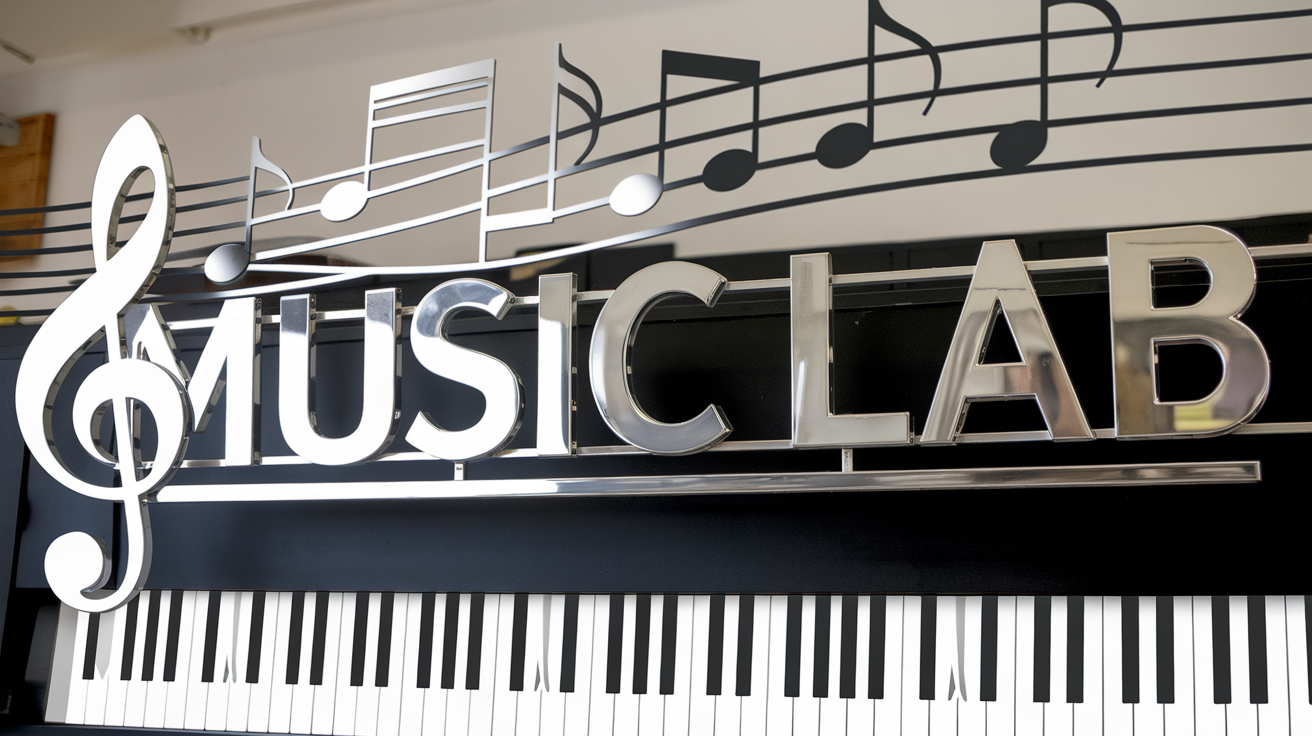
Music education has evolved dramatically with the rise of digital learning tools, and Chrome Music Lab stands out as one of the most engaging platforms available today. Designed to make music accessible for learners of all ages, Chrome Music Lab combines creativity, technology, and education into a collection of interactive experiments that help users explore rhythm, melody, harmony, sound waves, and more—all through a web browser.
Whether you are a teacher introducing music concepts in the classroom, a parent encouraging creative learning at home, or a musician looking for fun ways to experiment with sound, Chrome Music Lab offers an intuitive experience that requires no prior musical knowledge. In this guide, we’ll explore its features, educational benefits, popular experiments, classroom applications, and practical tips for getting the most out of this innovative music-learning platform.
What Is Chrome Music Lab?
Chrome Music Lab is a free collection of browser-based music experiments created to help people explore music through interactive visuals and simple controls. Each experiment focuses on a different musical concept, allowing users to learn by doing rather than reading lengthy explanations.
Unlike traditional music software that often requires installation or technical expertise, Chrome Music Lab works directly in most modern web browsers. Users can instantly create melodies, design rhythms, experiment with harmonies, visualize sound waves, and even combine art with music using simple drag-and-drop interactions.
The platform is especially popular among:
- Elementary and middle school students
- Music teachers
- Parents homeschooling children
- Beginner musicians
- Creative artists
- STEM and STEAM educators
- Anyone curious about music
Its accessibility makes it an excellent introduction to music theory without overwhelming beginners.
Why Chrome Music Lab Has Become So Popular
Several factors contribute to the growing popularity of Chrome Music Lab.
Free and Accessible
One of its biggest advantages is that it is completely free. Users only need internet access and a compatible browser to begin experimenting.
No Musical Experience Required
Every activity is designed for beginners. Complex musical concepts are presented visually, making them easier to understand.
Interactive Learning
Instead of memorizing definitions, users actively create music while discovering patterns and relationships between notes, rhythms, and harmonies.
Creative Freedom
There are no strict rules or right answers. Users can experiment freely and discover unique musical ideas.
Classroom Friendly
Teachers appreciate how easily Chrome Music Lab fits into classroom lessons, group activities, and remote learning environments.
Popular Chrome Music Lab Experiments
Chrome Music Lab includes numerous experiments, each focusing on a unique aspect of music. Here are some of the most popular ones.
Song Maker
Song Maker is perhaps the platform’s most widely used experiment. It allows users to compose melodies by placing colored notes on a grid.
Features include:
- Adjustable tempo
- Multiple instruments
- Drum patterns
- Easy sharing through links
- Colorful visual interface
Students quickly understand rhythm, melody, and timing while creating original compositions.
Rhythm
The Rhythm experiment teaches beat patterns using animated characters.
Learners can:
- Create rhythmic sequences
- Understand timing
- Practice musical counting
- Explore different percussion sounds
Piano Roll
The Piano Roll experiment demonstrates how notes are organized across a keyboard while showing pitch relationships visually.
Spectrogram
This experiment visualizes sound frequencies in real time.
Users can:
- Speak into a microphone
- Play instruments
- Observe sound patterns
- Learn how different frequencies appear visually
Sound Waves
Sound Waves explains how vibration creates sound by allowing users to manipulate wave shapes and frequencies.
Chords
The Chords experiment introduces harmony by demonstrating how multiple notes work together to create pleasant musical combinations.
Arpeggios
Users learn how chords can be played one note at a time to create flowing musical patterns.
Voice Spinner
Voice Spinner lets users record their voice and manipulate playback speed and pitch to create interesting audio effects.
Educational Benefits of Chrome Music Lab
Chrome Music Lab offers much more than entertainment. It provides valuable educational opportunities across multiple subjects.
Develops Musical Understanding
Students naturally learn:
- Melody
- Rhythm
- Tempo
- Pitch
- Harmony
- Musical structure
without requiring formal music lessons.
Encourages Creativity
Instead of copying existing songs, learners create original compositions that reflect their own ideas.
Supports Visual Learning
Many students understand visual representations more easily than written music notation. Chrome Music Lab transforms abstract concepts into colorful, interactive experiences.
Builds Problem-Solving Skills
Experimenting with different note combinations encourages exploration, analysis, and creative thinking.
Improves Listening Skills
Carefully comparing sounds helps learners recognize differences in pitch, rhythm, and harmony.
How Teachers Use Chrome Music Lab in the Classroom
Educators around the world incorporate Chrome Music Lab into their lesson plans because it supports active learning.
Music Theory Lessons
Teachers introduce concepts such as:
- Scales
- Intervals
- Chords
- Rhythm
- Tempo
- Melody
through hands-on experimentation.
Creative Composition Projects
Students create their own songs and share them with classmates, encouraging confidence and artistic expression.
Collaborative Learning
Groups can work together to compose music, discuss patterns, and improve listening skills.
Cross-Curricular Activities
Chrome Music Lab also supports learning in:
- Mathematics through rhythmic patterns
- Science through sound waves
- Art through visual music design
- Technology through digital creativity
This interdisciplinary approach aligns well with STEAM (Science, Technology, Engineering, Arts, and Mathematics) education.
Tips for Getting the Most Out of Chrome Music Lab
Whether you’re a beginner or an educator, these tips can enhance your experience.
Start with Song Maker
Its simple interface makes it the ideal starting point for learning musical concepts.
Experiment Without Fear
There are no incorrect answers. Every combination of notes teaches something new.
Try Different Instruments
Switching between piano, strings, synths, and percussion helps users understand how instrumentation changes the mood of a composition.
Explore Tempo Changes
Slow and fast tempos dramatically affect how music feels.
Use Headphones
Good-quality headphones make subtle musical details easier to hear.
Share Your Creations
Many experiments generate shareable links, making collaboration easy among students, teachers, friends, and family members.
Chrome Music Lab for Different Age Groups
One reason Chrome Music Lab remains popular is its flexibility across age levels.
Young Children
Children develop:
- Listening skills
- Creativity
- Pattern recognition
- Basic rhythm
through playful experimentation.
Middle School Students
Older learners begin understanding:
- Musical structure
- Composition
- Harmony
- Song arrangement
while creating increasingly complex projects.
High School Students
Teenagers can explore advanced topics such as:
- Music production
- Chord progressions
- Digital composition
- Creative storytelling through music
Adults
Even adults with no musical background enjoy using Chrome Music Lab as a relaxing creative outlet while learning foundational music theory.
Advantages and Limitations
Like every educational tool, Chrome Music Lab has strengths and limitations.
Advantages
- Completely free
- No installation required
- Beginner-friendly
- Visually engaging
- Works on multiple devices
- Encourages creativity
- Excellent for classrooms
- Easy sharing options
Limitations
- Not intended for professional music production
- Limited advanced editing features
- Requires internet access for most users
- Focuses on exploration rather than comprehensive music instruction
Despite these limitations, it remains one of the best introductory music-learning platforms available.
The Future of Interactive Music Education
Digital tools continue to transform music education by making learning more interactive and accessible. Platforms like Chrome Music Lab demonstrate how technology can simplify complex concepts while encouraging creativity and collaboration.
As schools increasingly adopt digital learning environments, browser-based educational tools are likely to play an even greater role in helping students develop artistic and technical skills. Chrome Music Lab serves as an excellent example of how music education can become engaging, inclusive, and enjoyable for learners of all ages.
Conclusion
Chrome Music Lab has revolutionized the way beginners explore music by combining education, creativity, and technology into an easy-to-use online platform. Through interactive experiments, users can learn about rhythm, melody, harmony, sound waves, and composition without needing expensive instruments or formal training.
Whether you are a teacher seeking engaging classroom resources, a parent introducing children to music, or simply someone interested in experimenting with sound, Chrome Music Lab offers an enjoyable and educational experience. Its intuitive design, colorful visuals, and hands-on activities make music learning accessible to everyone, proving that creativity flourishes when learning is both simple and fun.
Frequently Asked Questions (FAQs)
What is Chrome Music Lab?
Chrome Music Lab is a free browser-based collection of interactive music experiments designed to help users learn musical concepts through hands-on exploration.
Is Chrome Music Lab free to use?
Yes. The platform is free and can be accessed without downloading software or creating an account.
Can beginners use Chrome Music Lab?
Absolutely. It is designed for learners with little or no prior musical experience.
Is Chrome Music Lab suitable for classrooms?
Yes. Many educators use it to teach rhythm, melody, harmony, and music composition in engaging and collaborative ways.
Can I create my own songs with Chrome Music Lab?
Yes. Experiments such as Song Maker allow users to compose original melodies, add percussion, adjust tempo, and share their creations with others.
Does Chrome Music Lab work on mobile devices?
Most experiments work on modern smartphones, tablets, laptops, and desktop computers through a compatible web browser, although the experience is generally best on larger screens.
Entertainment
Horror The Witch — A Complete Guide to Witch-Themed Horror, Dark Folklore, and Supernatural Fear (2026)
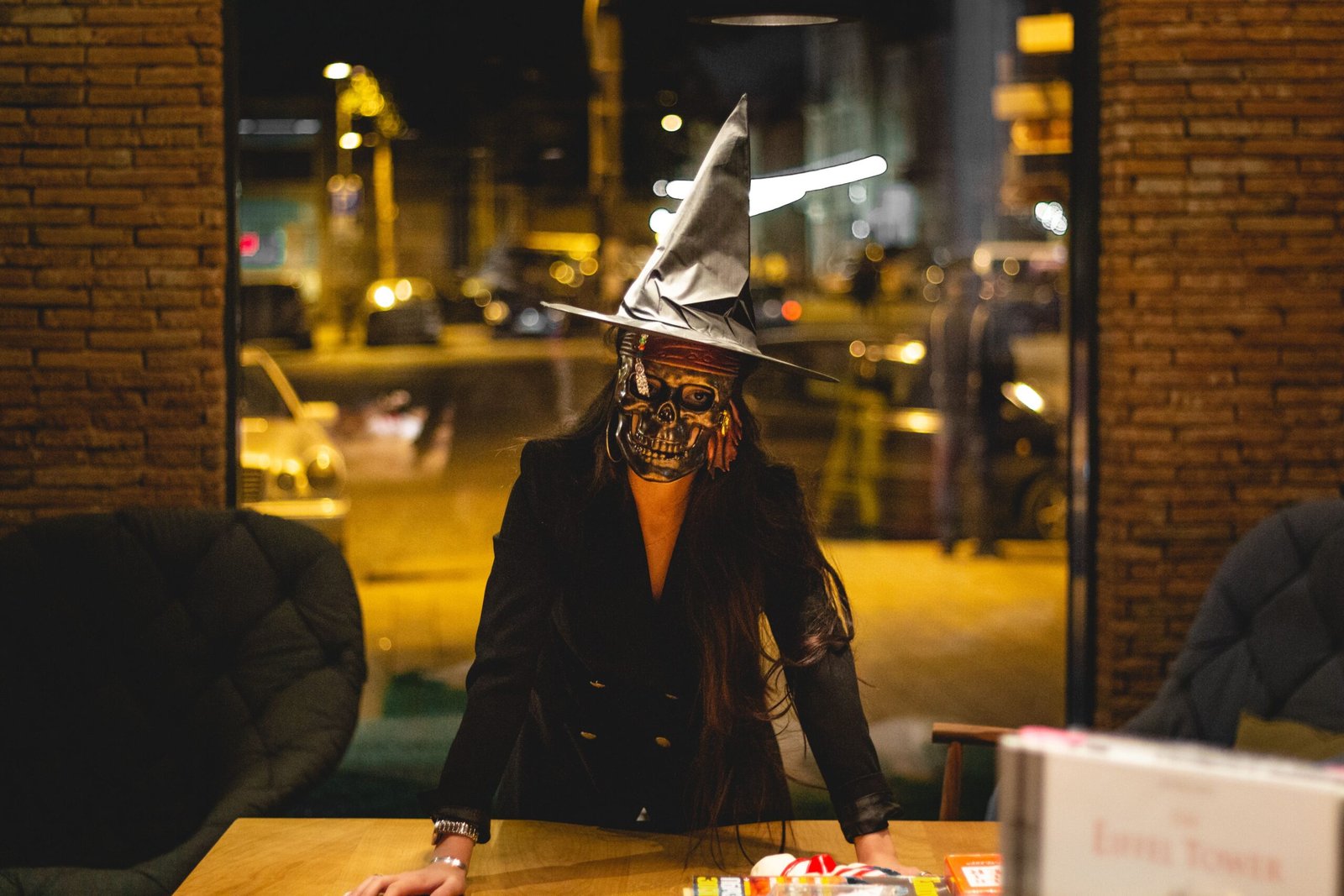
Witch-themed horror has remained one of the most fascinating areas of supernatural storytelling because it combines ancient folklore, psychological tension, mysterious rituals, and the fear of forces beyond human understanding. From terrifying legends about witches living on the edge of isolated villages to modern horror films featuring dark magic and unexplained events, the witch continues to represent a powerful symbol of fear in books, movies, television, and popular culture.
When audiences search for horror the witch, they may be looking for a particular horror movie, a frightening story about witchcraft, recommendations for supernatural films, or information about the history of witches in horror entertainment. Understanding this topic requires exploring both its traditional roots and its modern interpretations.
Witch horror is not limited to jump scares or frightening appearances. Its strongest stories often explore isolation, family conflict, religious anxiety, suspicion, temptation, and the consequences of forbidden knowledge. These themes allow filmmakers and writers to create disturbing experiences that remain memorable long after the story ends.
One especially influential example is The Witch, the 2015 supernatural horror film directed by Robert Eggers. Known for its historical atmosphere, slow-building dread, and unsettling portrayal of seventeenth-century New England, the film helped establish a distinctive approach to modern folk horror. By examining this movie alongside the broader tradition of witch-themed horror, we can better understand why the subject continues to attract audiences in 2026.
What Is Witch Horror? Understanding the Supernatural Genre
Horror The Witch is a branch of horror fiction that uses witches, witchcraft, curses, supernatural rituals, and occult mysteries to create fear and suspense. These stories can draw inspiration from folklore, historical beliefs, fantasy, religious traditions, or entirely fictional supernatural worlds.
Unlike horror that depends primarily on monsters or physical violence, witch horror often builds tension through uncertainty. Characters may hear unexplained noises, discover mysterious symbols, experience disturbing dreams, or suspect that someone close to them is hiding dangerous secrets. The audience gradually learns whether these events have a supernatural explanation, a psychological cause, or a combination of both.
Witches can appear in many different forms. Some stories portray them as terrifying supernatural beings who possess extraordinary powers, while others present them as outsiders feared by a suspicious community. Modern productions may also portray witches as complicated characters whose abilities are connected to identity, independence, revenge, or personal transformation.
Several characteristics commonly appear in witch-themed horror:
Dark folklore: Stories inspired by traditional legends and supernatural beliefs.
Occult mysteries: Strange rituals, forbidden knowledge, unexplained symbols, and mysterious practices.
Psychological suspense: Fear created by suspicion, uncertainty, and emotional pressure.
Isolation: Characters separated from society and deprived of help.
Supernatural danger: Curses, possessions, mysterious creatures, or unexplained events.
The combination of these elements allows witch horror to move beyond simple scares and explore deeper questions about human behavior, belief, and fear.
The Witch (2015): Plot, Cast, and Story Explained
When discussing horror movies about witches, The Witch (2015), also marketed as The VVitch: A New-England Folktale, deserves particular attention. Written and directed by Robert Eggers, the film is a historical supernatural horror story set in seventeenth-century New England. Its distinctive approach combines period details, religious fears, family conflict, and unsettling supernatural imagery.
The story follows William, his wife Katherine, and their children after their family is banished from a Puritan settlement. They establish a remote farm near a vast forest, hoping to survive through hard work and religious devotion. However, their isolated life becomes increasingly frightening after their infant son mysteriously disappears.
As further disturbing events unfold, the family begins to suspect that something evil is operating near their home. Their crops fail, tensions rise, and fear gradually destroys the trust between family members. Thomasin, the eldest daughter, becomes the focus of suspicion as the household struggles to explain what is happening.
The film stars Anya Taylor-Joy as Thomasin, alongside Ralph Ineson, Kate Dickie, Harvey Scrimshaw, Ellie Grainger, and Lucas Dawson. The performances emphasize emotional distress, rigid religious expectations, and the breakdown of family relationships.
Rather than immediately explaining every supernatural event, the film allows dread to develop through atmosphere, silence, and uncertainty. Its restrained storytelling makes the eventual revelations more disturbing.
For viewers interested in the film’s background and genre, the academic study The Witch’s Generic, Literary and Filmic Background discusses its relationship with folk horror and New England supernatural traditions.
Spoiler warning: The following sections discuss themes and storytelling techniques that may reveal aspects of the movie’s interpretation.
Why The Witch Is So Scary: Atmosphere, Sound, and Psychological Horror
One of the defining qualities of The Witch is its ability to create fear without depending on constant jump scares. The movie builds an atmosphere in which ordinary surroundings become threatening and familiar relationships become sources of anxiety.
Isolation and the Fear of the Unknown
The family’s remote farm is central to the film’s horror. Surrounded by wilderness and separated from the protection of their former community, the characters have limited access to help. The forest becomes a powerful symbol of everything they cannot control or understand.
This setting reflects a broader principle of folk horror: isolation can make characters vulnerable to unfamiliar customs, mysterious events, and their own fears. The landscape is not merely a backdrop; it shapes the decisions people make and intensifies their emotional distress.
Religious Beliefs and Family Conflict
The film explores how strict religious beliefs influence the family’s interpretation of frightening events. Rather than approaching every mystery rationally, the characters often understand suffering through the language of sin, punishment, temptation, and spiritual corruption.
These beliefs create dramatic tension because family members interpret the same events differently. Fear becomes suspicion, suspicion becomes accusation, and accusations gradually weaken the household.
Sound Design and Cinematography
The film’s unsettling soundscape, sparse music, muted colors, and carefully composed images contribute to its oppressive mood. Quiet moments often feel as threatening as scenes of direct danger because viewers are encouraged to anticipate something terrible.
The result is slow-burn horror: a style that prioritizes tension, atmosphere, and emotional unease over rapid action. This approach works especially well for audiences who appreciate films that invite interpretation and reward careful attention.
Best Witch Horror Movies to Watch After The Witch
If The Witch appeals to you, several other films explore related themes, including occult mysteries, rural superstition, psychological terror, and supernatural danger. We can organize these recommendations according to the kind of horror experience viewers prefer.
– The Blair Witch Project (1999): This influential found-footage horror film follows filmmakers investigating a local legend in the woods. Its documentary-like presentation, disorienting wilderness setting, and unseen threat make it a strong choice for viewers who enjoy ambiguity and psychological suspense.
– Suspiria (1977): Directed by Dario Argento, this Italian horror classic centers on a young dancer who discovers disturbing secrets at a prestigious dance academy. Its vivid visual style, sinister atmosphere, and supernatural themes offer a very different approach to witch-related horror.
– The Wicker Man (1973): This film follows a police officer investigating a disappearance on an isolated Scottish island. Its unsettling community, unusual religious practices, and growing sense of dread make it an important example of folk horror.
– The Love Witch (2016): Written and directed by Anna Biller, this stylized film follows a modern witch whose search for romantic fulfillment leads to disturbing consequences. Its vintage-inspired visuals and exploration of gender, desire, and identity distinguish it from darker historical horror.
These movies demonstrate that witch-themed and folk horror can take many forms. Some emphasize unseen supernatural threats, while others focus on dangerous communities, obsessive behavior, or characters who become trapped by their own desires. The British Film Institute’s introduction to folk horror provides additional context for understanding the genre’s development and its major cinematic examples.
The Meaning of Witches in Horror Films and Folklore
Witches have occupied an important place in storytelling for centuries. Traditional tales portray them in different ways, from mysterious healers and knowledgeable outsiders to dangerous figures associated with curses and supernatural powers. Horror films draw on these traditions but reshape them to reflect the fears and concerns of their audiences.
In many stories, the witch symbolizes the unknown. A character may be feared because they live outside established social structures, possess unfamiliar knowledge, or appear to challenge accepted rules. This makes witches particularly effective figures in narratives about communities facing uncertainty.
Witch-themed horror can also examine the consequences of prejudice. Historical accusations of witchcraft were frequently influenced by social conflict, religious tensions, and fear of people considered outsiders. Modern films can use these historical associations to explore how suspicion spreads and how vulnerable individuals become targets of collective anxiety.
It is important, however, to distinguish fictional depictions from real-world religious and cultural practices. Witchcraft in horror films is a storytelling device, and its portrayal should not be treated as evidence that supernatural events depicted on screen occur in reality.
Frequently Asked Questions About Horror The Witch
Is The Witch a good horror movie?
The Witch is a strong choice for viewers who enjoy atmospheric supernatural horror, historical settings, and psychological tension. Its slow pacing may not suit everyone, but its performances, cinematography, and unsettling storytelling make it a distinctive entry in modern horror cinema.
Is The Witch based on a true story?
The film is a fictional narrative inspired by historical Puritan beliefs, period folklore, and traditional ideas about witchcraft. Its seventeenth-century setting draws on historical context, but the specific characters and central events should not be treated as a documented true story.
Who directed The Witch?
Robert Eggers wrote and directed The Witch, which was released in 2015. The film helped establish his reputation for carefully researched historical horror and atmospheric storytelling.
What genre is The Witch?
The film is generally classified as supernatural horror, psychological horror, and folk horror. Its isolated rural setting, folklore-inspired elements, religious anxieties, and gradual buildup of dread connect it closely with the folk horror tradition.
What should we watch after The Witch?
We recommend The Blair Witch Project, The Wicker Man, Suspiria, and The Love Witch. Each offers a different interpretation of supernatural fear, folklore, or witch-related themes.
Conclusion: Why Witch Horror Remains Popular in 2026
Horror The Witch represents a broad and enduring area of horror entertainment, combining supernatural storytelling, ancient folklore, psychological suspense, and unsettling mysteries. For viewers specifically interested in The Witch (2015), the film offers a compelling example of how historical settings, family conflict, religious fears, and carefully controlled atmosphere can create lasting tension.
Beyond this particular movie, witch horror continues to evolve through films that explore isolation, social prejudice, dangerous secrets, and the boundaries between belief and reality. Whether audiences prefer slow-burn folk horror, found-footage scares, gothic imagery, or supernatural thrillers, the genre offers a wide range of experiences.
Ultimately, the strongest witch horror stories do more than introduce a frightening supernatural figure. They create an atmosphere of uncertainty, challenge characters’ beliefs, and reveal how fear can transform individuals and entire communities. That combination keeps witch-themed horror movies relevant to audiences who want stories that are as thought-provoking as they are frightening.
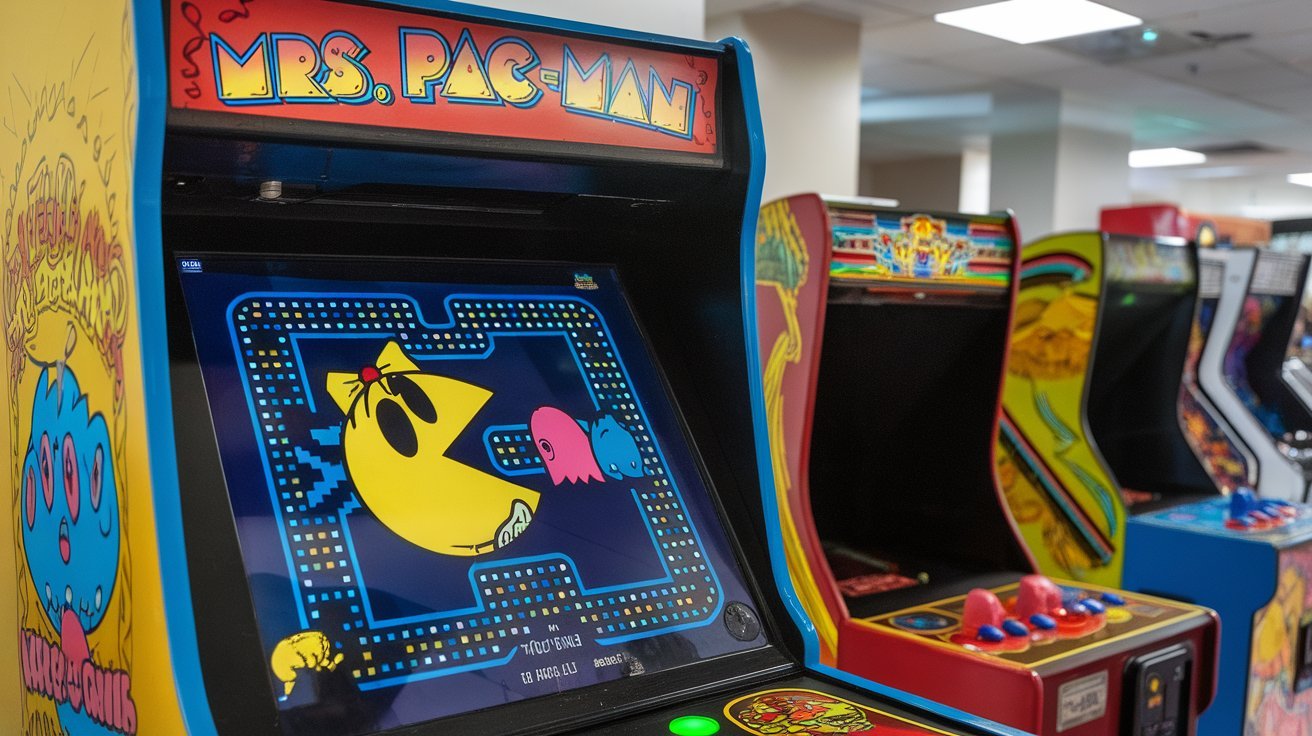
Mrs PacMan video searches continue to attract retro-gaming fans who want to watch gameplay, learn classic strategies, revisit arcade history, or understand why this maze game remains popular decades after its original release. Mrs PacMan is one of the best-known games connected to the Pac-Man franchise, combining simple controls with increasingly challenging maze navigation.
Originally released for arcades in 1982, Mrs PacMan was developed by General Computer Corporation (GCC) and published by Midway. The game expanded on the familiar Pac-Man formula with multiple maze layouts, moving bonus fruit, and less predictable ghost behavior. The official PAC-MAN history identifies Ms. PAC-MAN as a U.S.-born game featuring a female Pac-Man character with a ribbon and additional maze features.
For anyone searching for Ms. Pac-Man video gameplay in 2026, the classic game remains an excellent example of how straightforward mechanics can produce deep arcade strategy.
What Is Mrs PacMan?
Mrs PacMan is a maze-based arcade video game and a follow-up to the original Pac-Man. The basic objective is familiar: control Mrs PacMan through a maze, consume the dots, collect bonus items, and avoid the ghosts.
The character is visually distinguished by her bow and lipstick, while the gameplay retains the core maze-chase concept. Unlike the original Pac-Man, however, Mrs PacMan introduced several important changes that made each round less predictable.
Players navigate using a four-direction joystick, moving horizontally and vertically through the maze. The four familiar ghosts—Blinky, Pinky, Inky, and Sue—attempt to catch the player.
Large Power Pellets temporarily change the situation. After eating one, Ms. Pac-Man can chase and consume vulnerable ghosts for additional points.
The result is a game that looks simple but requires quick decisions, route planning, timing, and awareness.
Why Ms. Pac-Man Videos Remain Popular
A Ms. Pac-Man video can serve several purposes. Some viewers simply want to experience the nostalgia of classic arcade gaming, while others watch high-level gameplay to study movement and scoring strategies.
The game’s historical importance also contributes to its continuing appeal. The official PAC-MAN history describes Ms. PAC-MAN as a major U.S. hit following its 1982 release.
Unlike many modern games with complicated controls, Ms. Pac-Man can be understood almost immediately. A new player can watch a gameplay video and quickly recognize the objective:
- Eat the maze’s dots.
- Avoid ghosts.
- Use Power Pellets strategically.
- Collect moving bonus fruit.
- Clear the maze.
- Continue to higher and more difficult rounds.
That accessibility makes Ms. Pac-Man gameplay videos useful for both beginners and experienced retro players.
Mrs PacMan Gameplay and Maze Design
One of the biggest differences between Mrs PacMan and the original Pac-Man is its variety of maze layouts.
The arcade game uses four different maze designs that alternate as the player progresses. The changing layouts prevent the experience from becoming completely repetitive.
The mazes also contain warp tunnels, allowing Ms. Pac-Man to travel from one side of the screen to the other. Knowing when to use these tunnels can be essential when ghosts are approaching.
Another major gameplay change involves the bonus fruit. Rather than simply appearing in a fixed location, bonus objects move through the maze, requiring players to react quickly if they want to collect them.
A good gameplay video therefore shows more than simply moving around the maze. It demonstrates how experienced players balance dot collection, ghost avoidance, Power Pellets, tunnels, and bonus items.
Ghosts, Power Pellets, and Scoring Strategy
The ghosts are the central source of danger in Mrs PacMan. Their movement forces players to constantly make decisions about direction and timing.
The four ghosts have different movement behaviors, and their patterns are less straightforward than those found in the original Pac-Man. This was one of the changes that made Ms. Pac-Man more difficult to approach through memorized routes alone.
Power Pellets provide an important defensive and scoring opportunity. When Ms. Pac-Man eats one, the ghosts become vulnerable for a limited period. Instead of running away, the player can chase them and earn additional points.
However, using a Power Pellet effectively requires timing. A player who immediately consumes it without positioning the ghosts correctly may miss an opportunity to collect multiple ghost bonuses.
When watching an Mrs PacMan video, pay attention to how experienced players position themselves before activating a Power Pellet. Their objective is often not merely survival but maximizing the number of useful scoring opportunities.
Mrs PacMan Bonus Scenes and Characters
Another memorable feature of Ms. Pac-Man is its intermission animation.
The arcade version includes short scenes that tell a simple story involving Pac-Man and Ms. Pac-Man. The documented sequences include their meeting, a playful chase, and the arrival of a baby Pac. These scenes appear after specific rounds and became a recognizable part of the game’s personality.
These animations were significant because they gave the arcade game more character than simply moving from one maze to another.
For modern viewers searching for Mrs PacMan video clips, the intermissions can be just as nostalgic as the gameplay itself.
They also demonstrate how early arcade games could use very limited animation to create a sense of story without lengthy dialogue or cinematic sequences.
How to Find and Watch Mrs PacMan Videos in 2026
People searching for Mrs PacMan videos today can encounter several different types of content. These may include original arcade gameplay, long-play recordings, high-score attempts, strategy demonstrations, speed-oriented play, historical documentaries, and comparisons with the original Pac-Man.
When choosing a video, consider what you want to learn.
For nostalgia, an original arcade recording provides the classic experience.
For strategy, look for gameplay that clearly shows maze movement, ghost avoidance, Power Pellet timing, and bonus-fruit collection.
For history, look for material that explains the game’s 1982 arcade release and its relationship to Pac-Man.
The broader PAC-MAN franchise also remains active across modern platforms. Bandai Namco’s current catalog includes titles such as PAC-MAN MUSEUM+, PAC-MAN Mega Tunnel Battle: Chomp Champs, and PAC-MAN WORLD 2 Re-PAC, demonstrating that the franchise continues beyond its original arcade era.
Mrs PacMan vs. Original Pac-Man
Although Mrs PacMan is based on the original Pac-Man formula, the games are not identical.
| Feature | Pac-Man | Mrs PacMan |
|---|---|---|
| Original arcade era | 1980 | 1982 |
| Main character | Pac-Man | Mrs PacMan |
| Maze variety | More standardized | Multiple layouts |
| Bonus items | Fruit | Moving bonus items |
| Ghost behavior | Pattern-oriented | Less predictable |
| Warp tunnels | Yes | Two tunnels in the maze designs |
| Intermissions | Limited original format | Story-focused scenes |
The official PAC-MAN history specifically notes that Mrs PacMan retained the basic PAC-MAN system while adding an alternating maze design and two warp tunnels.
These differences explain why a player familiar with Pac-Man cannot simply assume that exactly the same strategies will work in Mrs PacMan.
Why Mrs PacMan Still Matters in 2026
More than four decades after its arcade debut, Mrs PacMan video remains an important example of classic video-game design. Its controls are easy to understand, but its combination of maze layouts, ghost behavior, moving bonus items, and increasingly difficult rounds creates considerable depth.
The game’s importance also exists within the larger Pac-Man legacy. Bandai Namco describes PAC-MAN as a globally recognized video-game character whose popularity extended from arcades into broader entertainment and continues across different gaming platforms.
For today’s players, an Mrs PacMan video can therefore be more than a nostalgic recording. It can be a practical lesson in classic arcade strategy, reaction time, route planning, risk management, and game design.
Whether you are discovering the game for the first time or returning to it after many years, the combination of simple controls and challenging gameplay explains why Mrs PacMan continues to attract retro-gaming audiences in 2026.
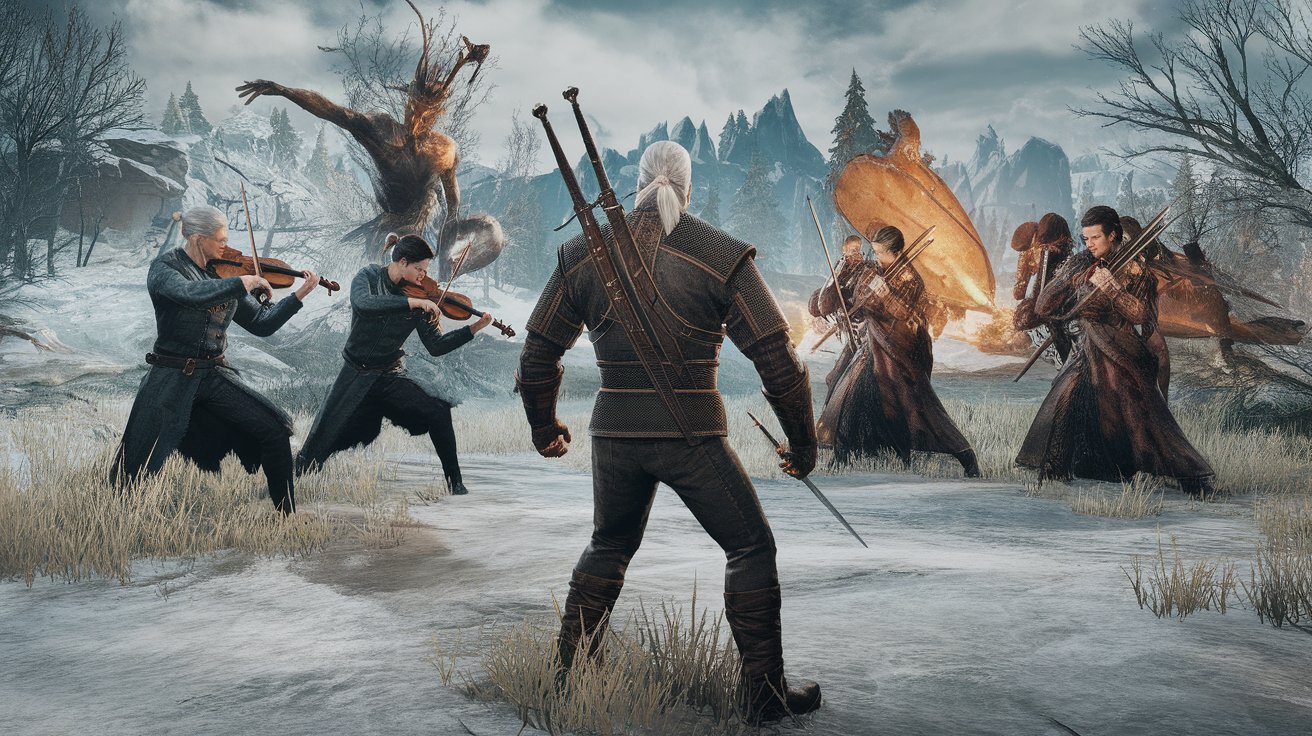
Some of the most unforgettable moments in gaming happen when the final boss appears and the music suddenly changes. A powerful orchestral score, a haunting choir, an aggressive guitar riff, or an emotional piano theme can transform an already difficult encounter into a genuinely memorable finale. For this reason, video games with the best instrumentation for final boss fights are not necessarily the games with the biggest soundtracks; they are the games where the musical arrangement makes the final confrontation feel important, personal, and larger than life.
In this guide, we explore games renowned for using instrumentation, orchestration, rhythm, melody, choir, percussion, and dynamic arrangement to elevate their final boss encounters. Rather than simply ranking soundtracks by popularity, we focus on how the instruments themselves contribute to tension, character, atmosphere, and emotional payoff.
What Makes Final Boss Instrumentation So Effective?
Final-boss music has a difficult job. It needs to make the player feel that everything encountered throughout the game has led to one decisive moment. Excellent instrumentation accomplishes this by combining musical scale with narrative meaning.
Large orchestral sections can make a boss feel monumental. Low strings and brass can create menace, while rapid percussion can increase the feeling of urgency. Choirs can introduce a sense of the supernatural or divine, whereas distorted guitars can make a battle feel aggressive and rebellious.
The strongest compositions often change instrumentation during the encounter. A restrained introduction might gradually add percussion, strings, brass, and choir until the entire arrangement reaches an overwhelming climax. This gives the battle a sense of progression even when the gameplay itself is divided into phases.
Another important technique is leitmotif. A melody associated with a character, location, relationship, or earlier event can return during the final battle. When that melody is reorchestrated with larger forces, the player subconsciously recognizes the history behind the confrontation.
Final Fantasy Series: Orchestration Meets Emotional Storytelling
The Final Fantasy series is one of the clearest examples of games where instrumentation and narrative frequently work together. Across different entries, composers have used orchestras, choirs, piano, electric guitars, synths, percussion, and unusual timbres to create distinctive climaxes.
One particularly influential approach is the combination of classical orchestration and contemporary instruments. Final battles can move between elegant melodic writing and aggressive rhythmic passages, reflecting the dramatic changes taking place on screen.
The series also demonstrates the importance of thematic development. Instead of treating final-boss music as generic battle music, many Final Fantasy compositions connect the final confrontation to characters and storylines introduced much earlier.
The result is music that can feel both enormous and personal. The instrumentation communicates the scale of the threat while the recurring melodies remind players what is actually at stake.
The Legend of Zelda: Dramatic Percussion and Orchestral Color
The The Legend of Zelda franchise has produced numerous memorable boss encounters, with several games demonstrating how instrumentation can create an atmosphere of danger and discovery.
Zelda music often benefits from carefully chosen instrumental colors. Brass can establish menace, percussion can drive combat, and strings can provide movement and emotional tension. In some climactic encounters, familiar musical ideas are transformed into darker or more powerful arrangements.
One of the most effective techniques is contrast. A game may spend hours using relatively restrained exploration music before suddenly introducing a massive final-battle arrangement. The difference in scale makes the encounter feel extraordinary.
Instrumentation can also reinforce the personality of a villain. A threatening brass line creates a very different impression from an eerie choir or an unsettling electronic texture. Timbre becomes part of characterization, not merely background sound.
NieR: Automata: Choir, Voice, and Emotional Weight
NieR: Automata stands out for its exceptional use of vocals and layered instrumentation. Its soundtrack frequently combines orchestral writing with distinctive vocal performances, creating an atmosphere that feels simultaneously intimate, mysterious, tragic, and enormous.
The final stages benefit from this approach because the music does not simply communicate physical danger. It communicates emotional consequence.
Choir and vocal textures can make a scene feel almost ceremonial. Strings and piano can introduce vulnerability, while percussion and electronic elements provide forward momentum. These contrasting sounds allow the music to shift between melancholy and intensity.
This is a particularly effective approach for games where the final confrontation is as much about the characters and themes as it is about defeating an enemy. The instrumentation can make the player feel that the battle represents something larger than the immediate gameplay objective.
Metal Gear Rising: Revengeance: Guitar-Driven Final-Battle Energy
For players who prefer aggressive instrumentation, Metal Gear Rising: Revengeance demonstrates the power of heavy guitars and vocals in boss music.
Rather than relying primarily on a traditional orchestral sound, the game frequently uses metal, rock instrumentation, powerful drums, distorted guitars, and dramatic vocals. This approach gives battles an almost cinematic concert-like energy.
The instrumentation is particularly effective because the music often feels directly connected to the personality of the opponent. Different songs can represent different ideological or emotional conflicts, allowing the boss soundtrack to function almost like a musical character profile.
The guitar-heavy approach proves that final-boss music does not need a symphony orchestra to feel enormous. A carefully arranged rock or metal ensemble can create an equally powerful sense of confrontation.
Shadow of the Colossus: Strings, Choir, and Monumental Atmosphere
Shadow of the Colossus approaches final-battle instrumentation differently. Its music often emphasizes orchestral scale, dramatic strings, brass, percussion, and atmospheric textures.
The game’s musical identity is closely connected to its enormous creatures and lonely landscapes. During major confrontations, the score can make the player feel tiny compared with the world around them.
This is where orchestral dynamics become especially important. Quiet passages can create vulnerability before louder sections suddenly expand the sonic space. The contrast makes the climax feel physically larger.
The final confrontation benefits from this philosophy because the music does not simply say “boss fight.” It communicates the accumulated weight of the journey and the strange beauty of the world.
Dark Souls and Elden Ring: Choirs, Brass, and Apocalyptic Scale
FromSoftware’s Dark Souls and Elden Ring demonstrate how orchestral instrumentation can turn a boss battle into something resembling a mythological confrontation.
Low strings, powerful brass, percussion, and dramatic choir arrangements are frequently used to create an atmosphere of ancient power. The music can make enemies seem less like ordinary opponents and more like legendary beings.
Choir is particularly effective in this context because the human voice can produce an almost ritualistic atmosphere. When combined with low orchestral instruments and heavy percussion, it creates a sense of overwhelming scale.
The instrumentation also complements the games’ visual design. Massive arenas, unusual creatures, ruined kingdoms, and supernatural characters become even more imposing when accompanied by an enormous musical arrangement.
Sonic, Mega Man, and Other Games With Distinctive Final-Boss Sounds
Not every great final-boss score depends on a full orchestra. Classic and modern games demonstrate that electronic instrumentation, synthesizers, percussion, bass, and memorable melodies can be just as effective.
The Sonic the Hedgehog franchise, for example, has frequently incorporated energetic rock, electronic sounds, and dramatic melodic writing. Fast tempos and prominent rhythmic patterns complement the series’ emphasis on speed.
The Mega Man series similarly demonstrates how memorable melodic ideas can work within technical limitations. Earlier hardware imposed restrictions on sound design, but composers turned those limitations into distinctive musical identities.
These examples remind us that effective instrumentation is not determined by the number of instruments. Composition, arrangement, timing, and thematic relevance matter just as much.
Why Instrumentation Changes the Player’s Final-Boss Experience
Instrumentation influences how players perceive difficulty, danger, emotion, and importance. A deep bass entrance can make an enemy feel powerful before the player even attacks. Rapid percussion can increase perceived urgency, while sustained strings can create anticipation.
Music can also make a battle feel cinematic. When the arrangement changes as the boss enters a new phase, players receive an audio signal that something significant has happened.
The best games synchronize music with gameplay rather than treating the score as a completely separate layer. A transition, new instrument, key change, tempo shift, or additional vocal layer can coincide with a gameplay transformation.
This creates an important psychological effect: the player does not merely hear that the battle has intensified—they feel that it has intensified.
Final Thoughts: The Best Instrumentation Creates a Memorable Finale
The video games with the best instrumentation for final boss fights demonstrate that great boss music is about much more than volume or complexity. The most memorable scores use instruments strategically to communicate character, danger, emotion, history, and scale.
Orchestras and choirs can create an epic atmosphere, guitars can provide raw aggression, piano can introduce vulnerability, percussion can drive urgency, and electronic textures can create something otherworldly. The most successful soundtracks combine these elements with strong melodies and carefully planned musical development.
Whether we prefer the orchestral grandeur of fantasy adventures, the emotional vocal arrangements of narrative-driven games, or the aggressive guitar-driven sound of action titles, the principle remains the same: great instrumentation makes the final boss feel like a true conclusion.
Frequently Asked Questions
What makes final-boss music memorable?
Memorable final-boss music usually combines strong melodies, effective instrumentation, thematic connections, dynamic changes, and emotional intensity.
Are orchestras necessary for an epic final-boss soundtrack?
No. Rock guitars, synthesizers, electronic textures, piano, percussion, and vocals can all create an enormous musical experience when they are arranged effectively.
Why are choirs so common in final-boss music?
Choirs can create a sense of scale, mystery, ritual, divinity, or supernatural power, making them particularly effective for climactic encounters.
Which instruments work best for intimidating bosses?
Low strings, brass, percussion, distorted guitars, deep synthesizers, and choir are frequently effective because they can create weight, aggression, and tension.
Why does instrumentation matter in video games?
Instrumentation affects the player’s emotional response and can reinforce character identity, story themes, gameplay phases, and the perceived importance of a confrontation.
Can older games have excellent final-boss instrumentation?
Absolutely. Hardware limitations often encouraged composers to create distinctive sounds using limited channels and synthesized instruments, resulting in some of gaming’s most recognizable music.

Horror The Witch — A Complete Guide to Witch-Themed Horror, Dark Folklore, and Supernatural Fear (2026)

LancasterOnline: Your Guide to Local News, Lancaster County Updates, and Community Information

Nerwey: Complete Guide to Its Meaning, Uses, and Online Relevance in 2026


 Lifestyle3 months ago
Daily Living Tools That Make Life Easier for Seniors
- Celebrity3 months ago
Edith Sarfati: A Closer Look at Her Life, Career, Family, and Lasting Legacy
- Business3 months ago
TravelTweaks Offers 2026 | Complete Guide to Travel Deals, Discounts & Smart Travel Planning
- Business3 months ago
Latest News MyGreenBucksNet (2026): Complete Guide to Platform Updates, Features, Earnings, and User Experience
- Blog3 months ago
RTI Scheduler: The Complete Guide to Flexible Student Scheduling in Modern Schools
- Tech3 months ago
How to Use 1.5f8-p1uzt in 2026: A Complete Guide to Understanding and Working with This Identifier
- Tech3 months ago
www. #TurboGeek.org Guide 2026 | Technology News, Gaming, Software & Tech Resources
- Business3 months ago
TTweakFlight Discount Codes by TravelTweaks (2026): The Complete Guide to Saving More on Flights